How Plumbers Use Heavy Machinery for Sewer, Water, and Utility Work
Most plumbing calls are small, a leak under a sink, a clogged drain, a water heater swap. But when the work moves outside and underground, the rules change fast. Water mains, sewer line replacements, commercial site utilities, and road crossings can’t be handled with shovels and wheelbarrows unless you want blown schedules and burned out crews.
That’s where heavy machinery earns its keep. The right machine speeds up digging, keeps people out of trenches longer than needed, and lets crews reach deep or tight utilities without turning the whole site into a crater. If you’re planning utility work across Greater Philly, Jersey, or in NYC work zones, it’s often the difference between a clean job and a costly mess. Many contractors start by lining up flexible equipment rentals for construction and utility jobs so they can match the machine to the scope.
Call 609-546-3799 to speak with SANY or fill out this form to book a demo.
The heavy machines plumbers use most, and what each one does on the job
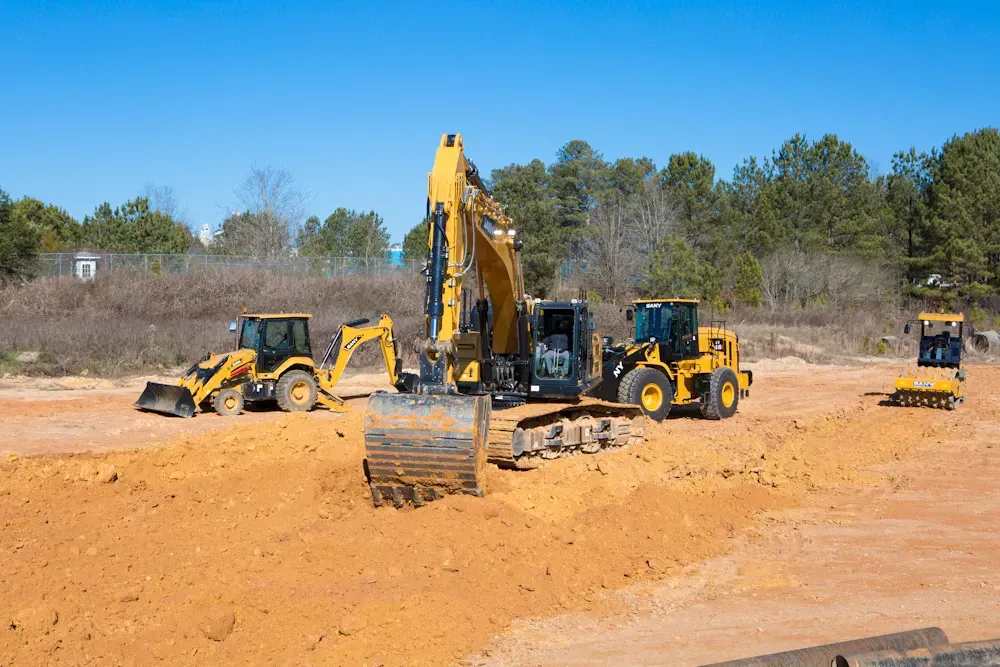
On big plumbing and utility installs, machines aren’t just “nice to have.” They’re how a crew keeps production steady while protecting the pipe, the site, and the public. Think of heavy equipment like extra hands that don’t get tired, plus the reach and lift capacity you can’t fake with manpower.
Excavators and mini excavators for trenching, potholing, and deep digs
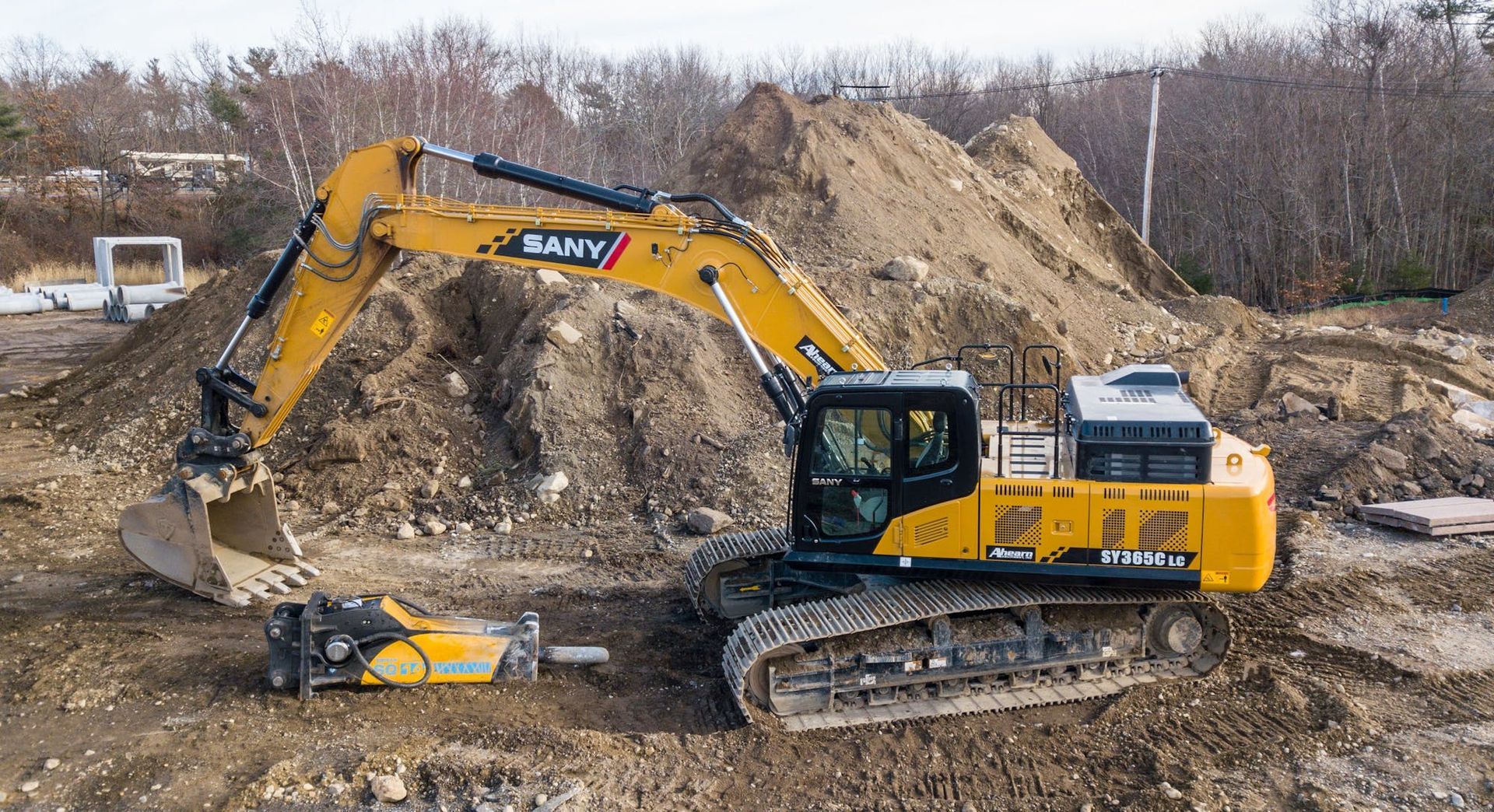
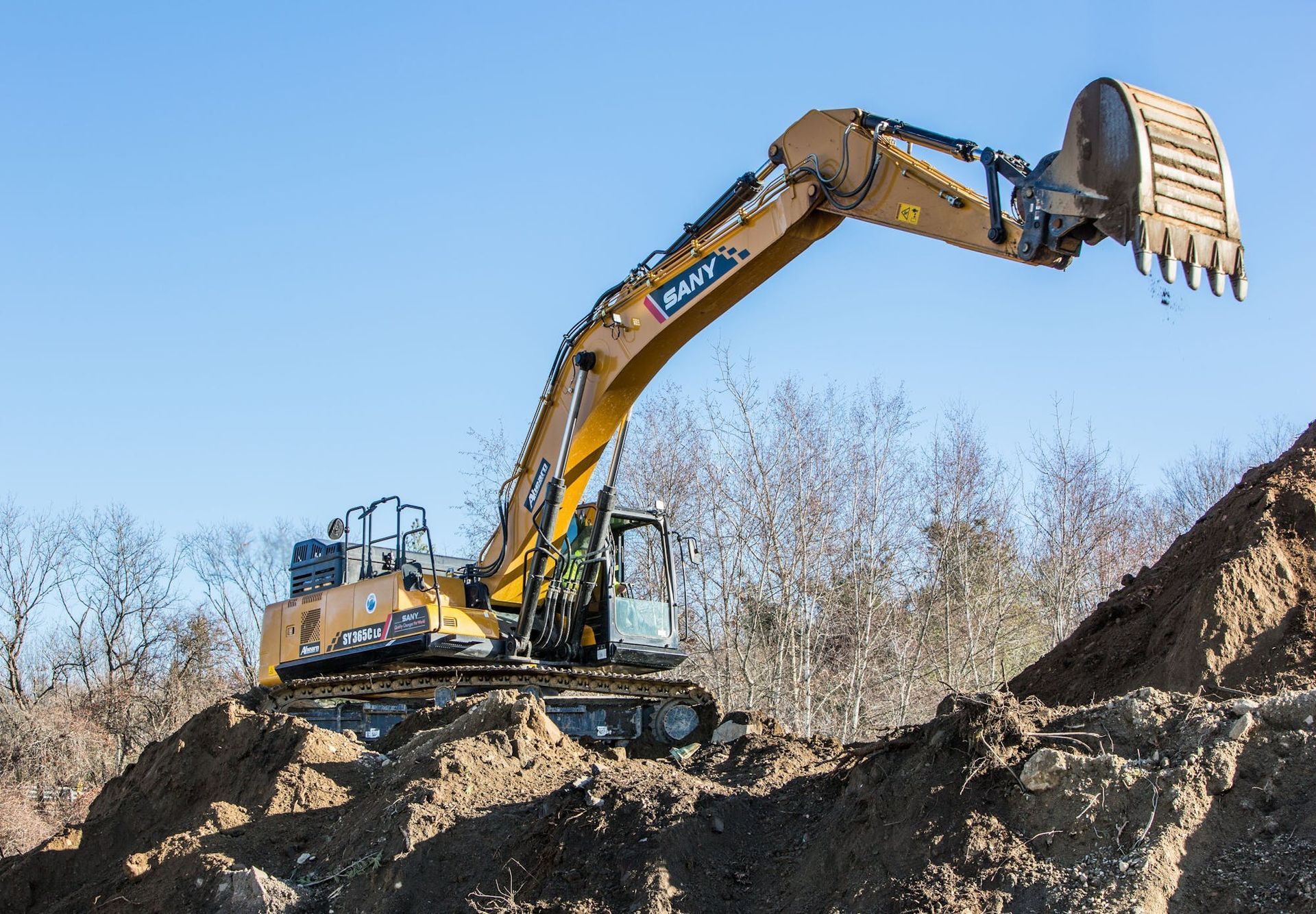
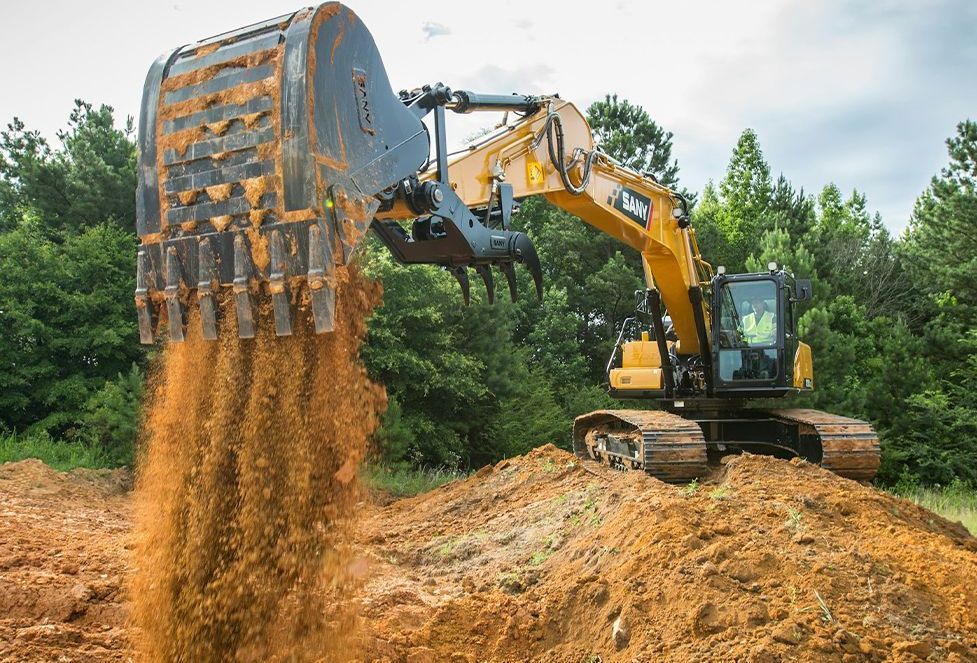
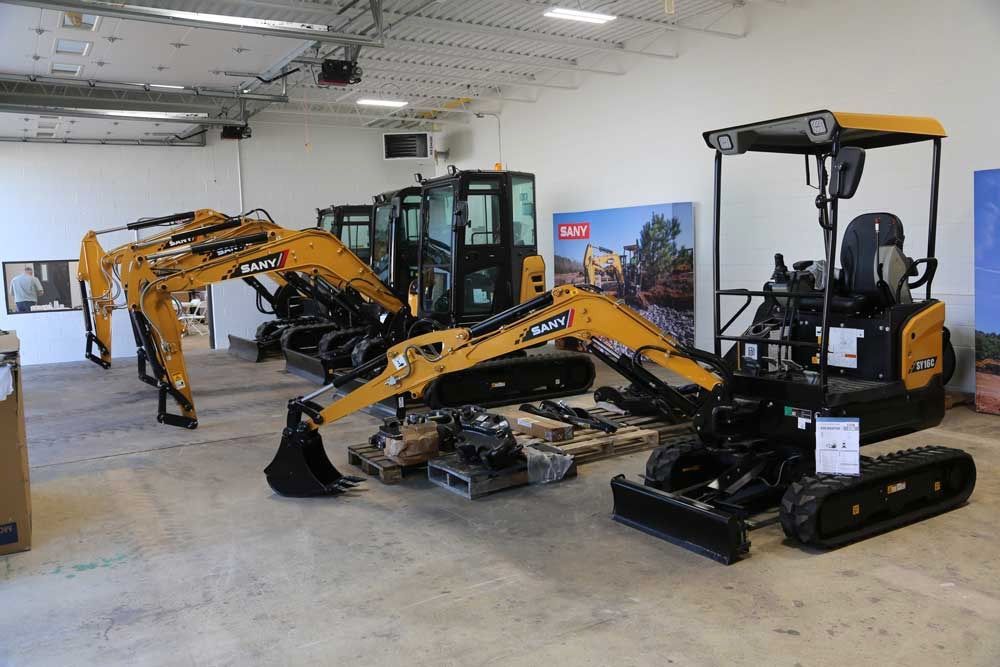
Excavators are the main trench-makers. A mini excavator fits backyards, alleys, tight streets, and sidewalk work. Larger units handle deeper trenches, long sewer runs, and higher daily footage without pushing the machine to its limits.
Buckets matter. A trenching bucket cuts a neat slot for pipe, a grading bucket helps shape bedding and backfill. A hydraulic thumb makes it easier to grab old pipe, broken concrete, or bedding stone.
Plumbers also use “daylighting” (potholing) to expose existing utilities before committing to a full dig. Smooth, controlled digging is the whole point, because nobody wants to kiss a live gas line, electric, or fiber. If you’re building a fleet for tight access work, explore SANY mini excavator models and features to compare sizes.
Skid steers and compact track loaders for moving spoil, backfill, and cleanup
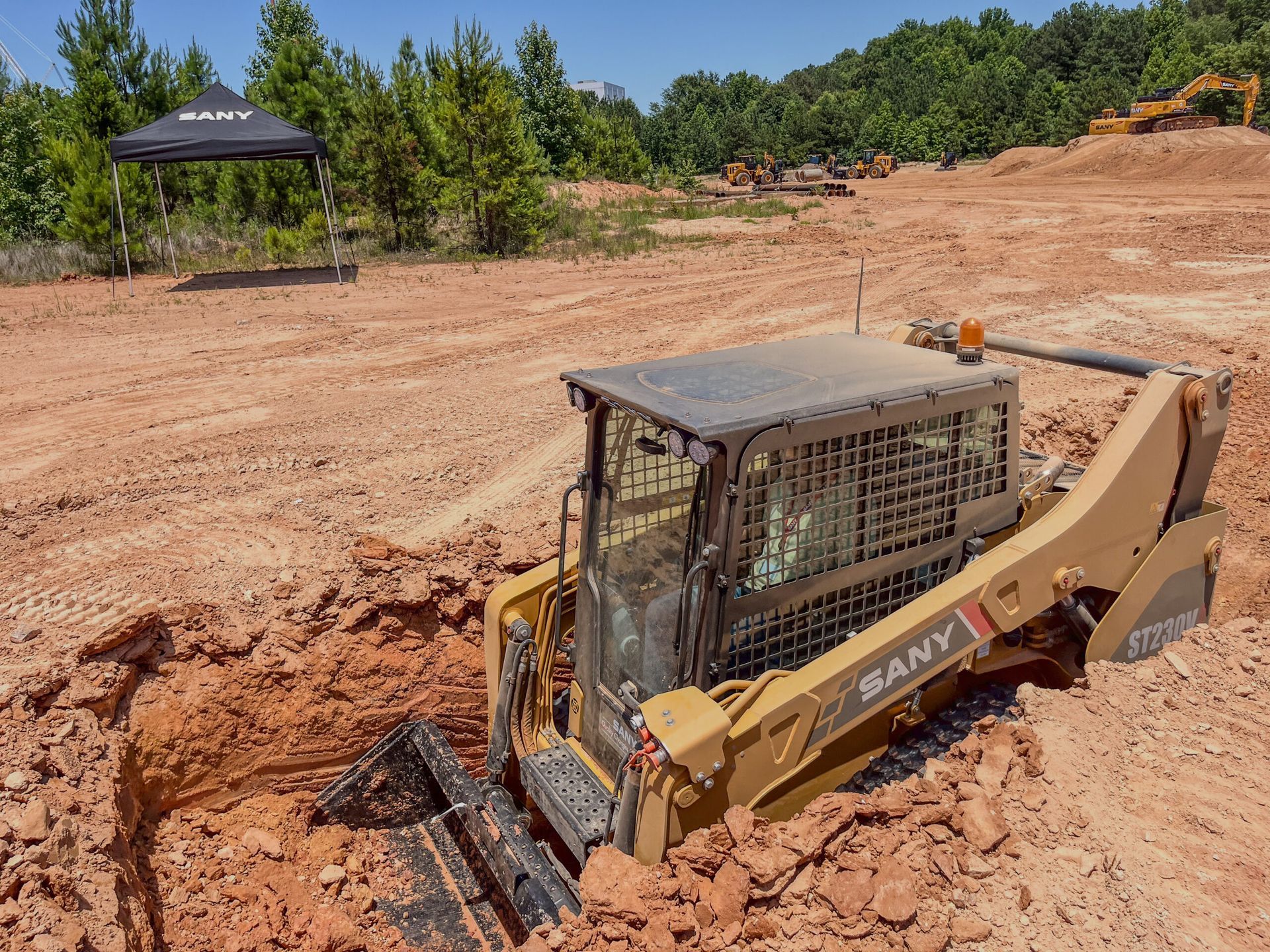
If the excavator is the digger, the skid steer or compact track loader is the site mover. It hauls spoil away from the trench, feeds gravel and bedding stone, loads dump trucks, and keeps access lanes passable.
Tracks can be a big help on wet ground or soft shoulders near road work. Less spinning means fewer ruts and fewer “we’re stuck” delays. On utility sites, you’ll often see buckets, forks for pallets, trenchers for shallow lines, and augers for posts or small bores.
Wheel loaders, telehandlers, and backhoes for lifting and handling heavy parts
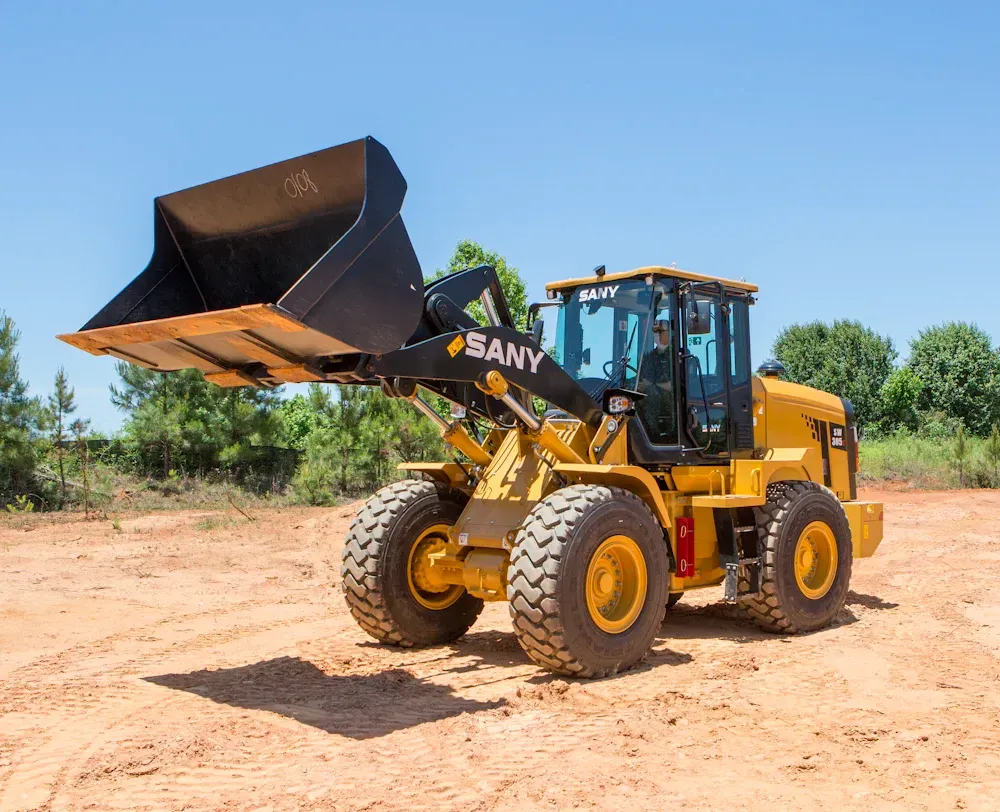
When material gets heavy, manhole sections, pipe bundles, pallets of fittings, you need lifting and stable handling. Wheel loaders shine when you’re moving lots of aggregate and keeping trucks loaded.
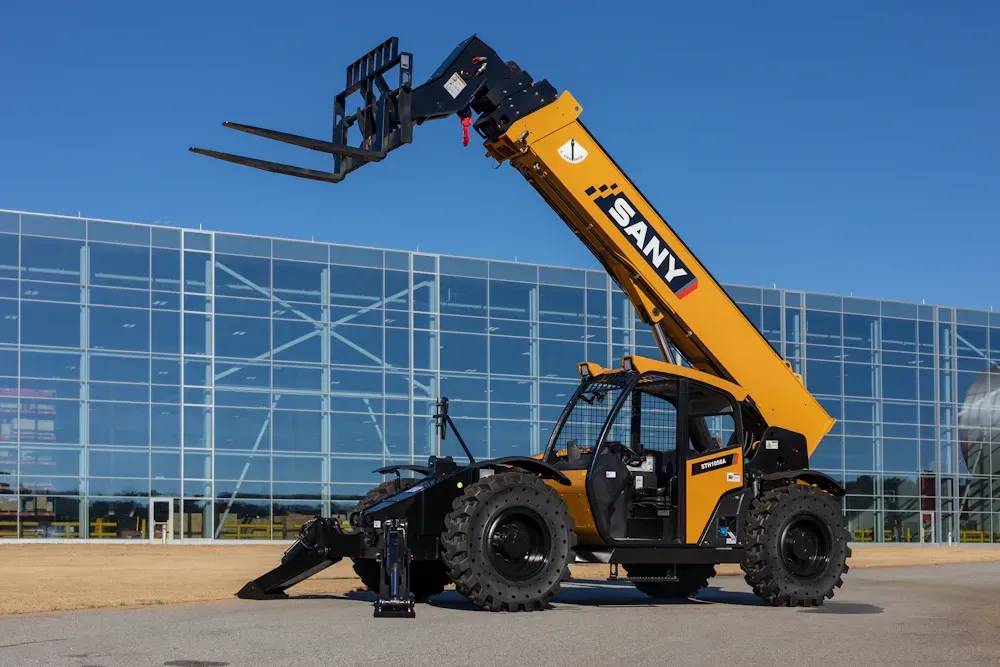
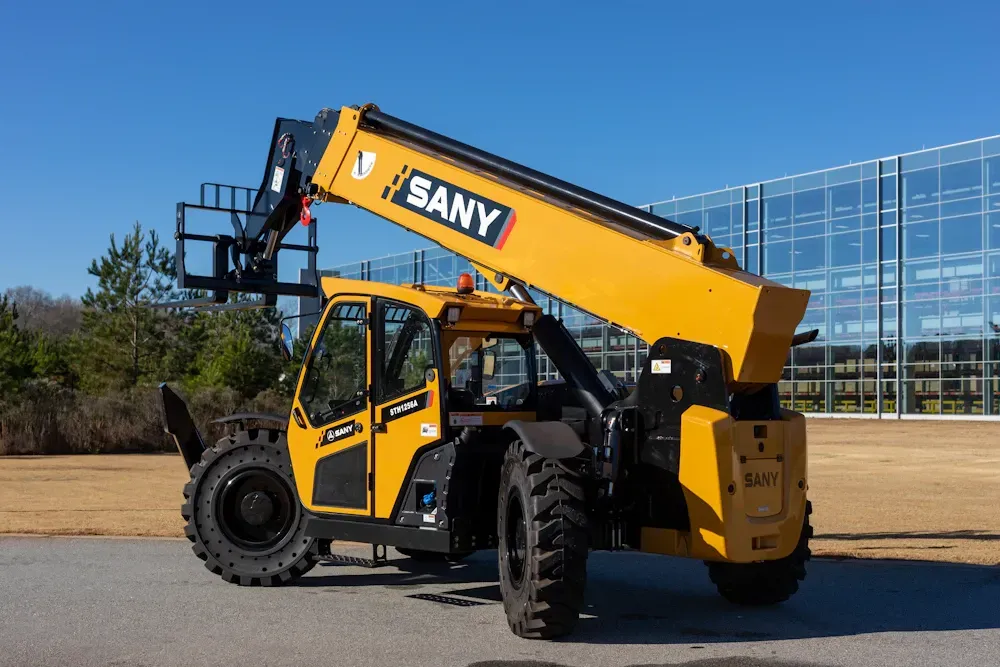
Telehandlers fill a gap that forklifts struggle with. They work on uneven ground and can reach over a trench to place a load without crowding the edge. If you’re weighing options for material handling, check out the SANY telehandler model lineup.
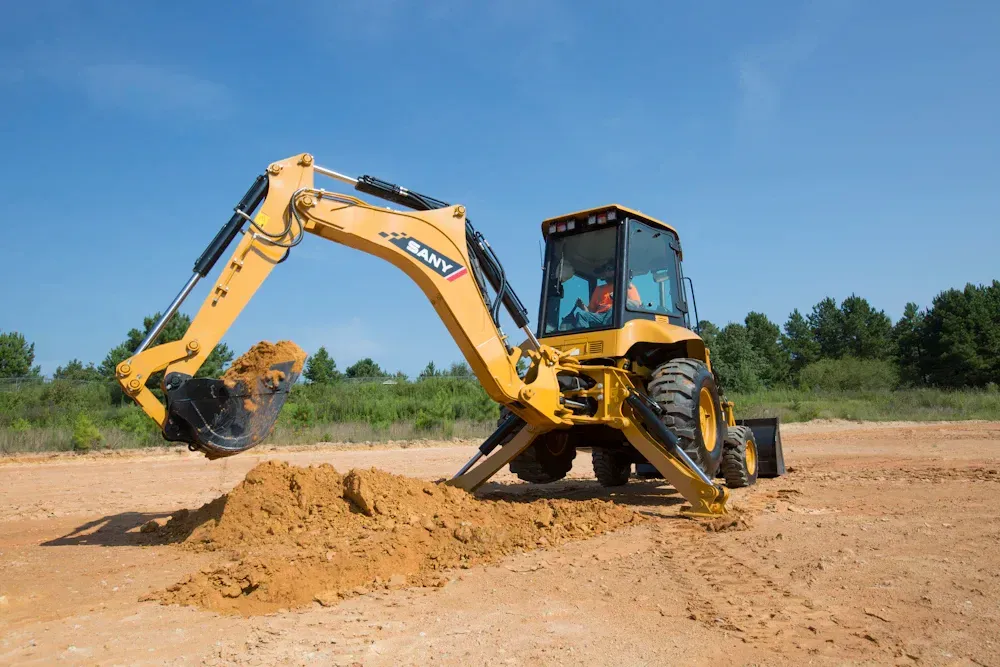
Backhoe loaders are still popular for smaller crews because they dig, load, and travel quickly between tasks, especially on mixed repair days.
Compaction and paving support gear that finishes the job right
Compaction is a plumbing quality issue, not a “nice finish.” Poor compaction leads to settlement, dips in pavement, broken joints, and angry property owners months later.
Plumbers use plate compactors for narrow trenches and trench rollers where deeper lifts need more force. Heavy equipment helps place gravel in controlled lifts and restore grade cleanly. On street work, saw-cutting and patch support usually follow, but the real win comes from building a stable base before the patch ever goes down.
Quick takeaways:
- Excavators dig clean trenches and handle depth safely.
- Skid steers and CTLs keep spoils, stone, and pallets moving.
- Telehandlers and loaders lift heavy pipe and precast efficiently.
- Compaction gear prevents settlement and call-backs.
How plumbers plan a heavy-equipment dig so it stays safe, legal, and profitable
A good utility crew doesn’t “just start digging.” The profit is in the plan: fewer stops, fewer surprises, cleaner restoration, and less rework. That’s true whether you’re doing a backyard lateral in South Jersey or a road crossing near a busy Philly corridor.
Locates, permits, and traffic control come before the first bucket hits dirt
811 locates and a site walk happen first. Paint marks are a guide, not a guarantee, so crews keep a buffer and expose critical crossings by daylighting. Right-of-way permits, lane closures, and inspections can set the schedule more than the digging does.
Near schools, hospitals, and high-traffic roads, timing is everything. Getting in, getting out, and keeping lanes safe often matters as much as production.
Picking the right machine size prevents utility hits and keeps production up
Machine choice should match trench depth, access width, and where the spoil pile can go. Rubber tracks help on finished surfaces and soft ground; steel tracks belong where conditions allow and traction is king.
Smaller isn’t always safer. If a machine is under-sized, operators over-reach, crowd trench edges, and fight to maintain grade.
- A backyard sewer lateral might call for a mini plus a compact loader for cleanup.
- A commercial sewer main usually needs a larger excavator and dedicated material handling.
Operator skill, spotters, and trench protection are non-negotiable
A safe dig is a team effort. The operator runs the bucket, a spotter watches clearances and swing radius, and the pipe layer and grade checker keep the install true.
Trench boxes or shoring show up when depth and soil conditions demand it. Spoil piles stay back from the edge, and people stay out of the danger zone. These habits prevent injuries and stop “we have to redo that section” days.
Owning vs renting heavy equipment for plumbing work
Renting makes sense for one-off big digs, seasonal spikes, or when a job needs a larger class machine than you normally run. Owning pays off when you’re doing repeat work and the machine stays busy.
Ownership also means planning for storage, maintenance, and uptime. If you’re growing the fleet, in-house financing can help keep cash flow steady. For options, see heavy equipment financing for construction businesses and call sales or rental to talk through your workload.
Jobsite checklist (simple, but it works):
- Confirm 811 marks, then daylight critical crossings.
- Verify permits, inspections, and traffic control needs.
- Pick machine size based on depth, access, and spoil room.
- Set trench protection plan before the first full pull.
- Assign a spotter, keep pedestrians and workers clear.
- Place bedding, set pipe to grade, verify slopes and joints.
- Backfill and compact in lifts, then restore grade and surface.
Real job examples: where heavy machinery makes plumbing faster and cleaner
These aren’t flashy jobs. They’re the ones where equipment choices quietly save labor hours, prevent damage, and leave a site that looks like a crew was never there.
Replacing a collapsed sewer line without tearing up the whole property
A mini excavator cuts targeted access pits instead of ripping up the entire yard. A skid steer stages spoils and brings in bedding stone so the pipe crew stays focused. Backfill goes in lifts, compacted as you go, so the lawn doesn’t sink later.
Installing a new water service on a commercial site with tight deadlines
An excavator opens the trench fast and keeps it consistent for inspections. Forks on a loader or telehandler move pipe and fittings right where the crew needs them, not stacked “somewhere nearby.” The result is a faster backfill, quicker test, and fewer missed windows when other trades are waiting.
Setting manholes and pipe on municipal sewer work
Precast sections get placed with controlled lifts, keeping hands out of pinch points. Grade stays tighter when the machine can hold line and depth without constant rework. Compaction meets spec, traffic control stays organized, and road base gets rebuilt so the patch has a fighting chance.
What the machines changed in each case:
- Less mess on finished property, with smaller access points.
- Fewer labor hours spent moving dirt and materials by hand.
- Better restoration because compaction and grade were handled right.
Conclusion
Heavy equipment doesn’t replace plumbing skill, it backs it up. When plumbers use the right machines, they dig with more control, keep crews safer, set pipe on grade, and restore surfaces with fewer call-backs. That’s how you protect margins on sewer and water work, especially in busy corridors across South Jersey and Philly where schedules are tight.
If you’re deciding whether to rent, buy, or add another machine to the rotation, come in for a heavy machinery demo or book a Tow & Show. Call for parts or service support when uptime matters.
Call 609-546-3799 to speak with SANY or fill out this form to book a demo.
Recent Posts