Telehandler for Rent Near Me: Short-Term Lift and Reach Without Long-Term Commitment


By Sany of Pennsauken March 5, 2026

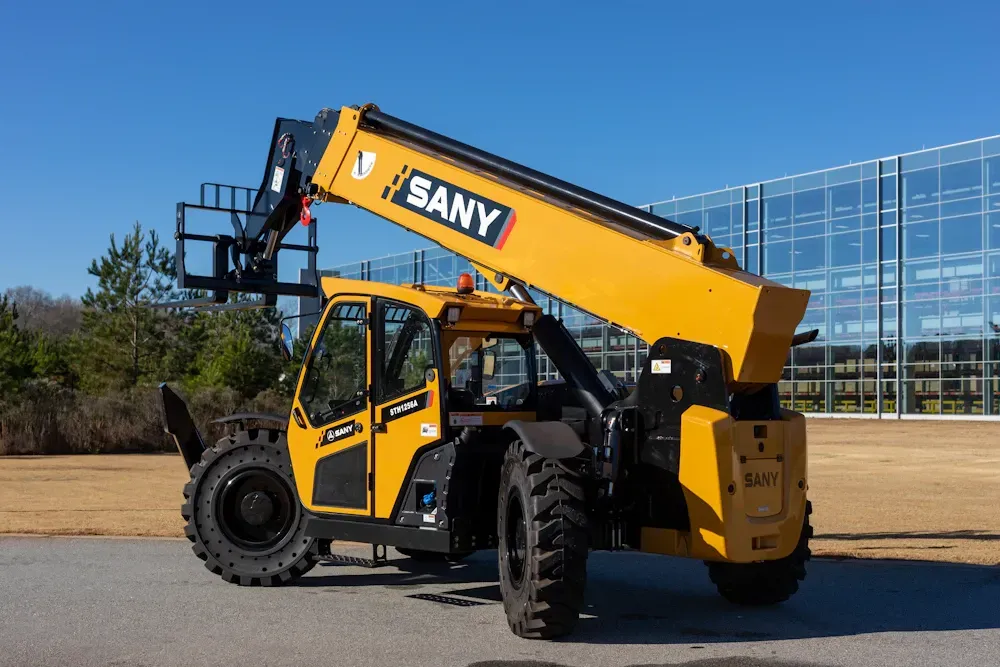
You’ve got a short job coming up, setting trusses, placing rooftop units, stocking masonry, or loading pallets on a tight site. A forklift can’t reach the landing spot, and a crane feels like bringing a sledgehammer to hang a picture. That’s when a Telehandler for Rent Near Me stops being a search term and starts being the plan.

If you’re comparing options, it helps to start with local support and real availability. Checking out telehandler rentals is a quick way to see what sizes and configurations make sense for your work, without guessing.

Serving crews across Philadelphia, South Jersey, Central and North Jersey, Shoreline NJ, Southeastern PA, Lehigh Valley, NYC and Long Island.

Call 609-546-3799 to speak with SANY to learn more about our machines or fill out this form to book a demo.

When renting a telehandler makes more sense than buying

Buying can be smart when the machine stays busy year-round. Renting wins when your need is real, but temporary. Think of it like hiring an extra set of hands for your crew during a rush, then sending them home when the job’s done. Your schedule stays protected, and your cash doesn’t get tied up in a machine that may sit.

Renting often makes the most sense when you have:

  • Seasonal spikes : You’re slammed for 4 to 8 weeks, then it slows down.
  • One-off installs : Rooftop HVAC, glazing, truss packages, or a single building addition.
  • Overflow work : Another crew needs support, and your machines are already booked.
  • Purchase lead time : You’re waiting on a new unit, but the job can’t wait.
  • A down machine : One breakdown shouldn’t stall a full site.
  • A “try before you buy” need : You want to test size, reach, or visibility before committing.

The cleanest part is budgeting. You can match the rental term to the job instead of paying ownership costs all year.

Short-term projects that need lift and reach fast

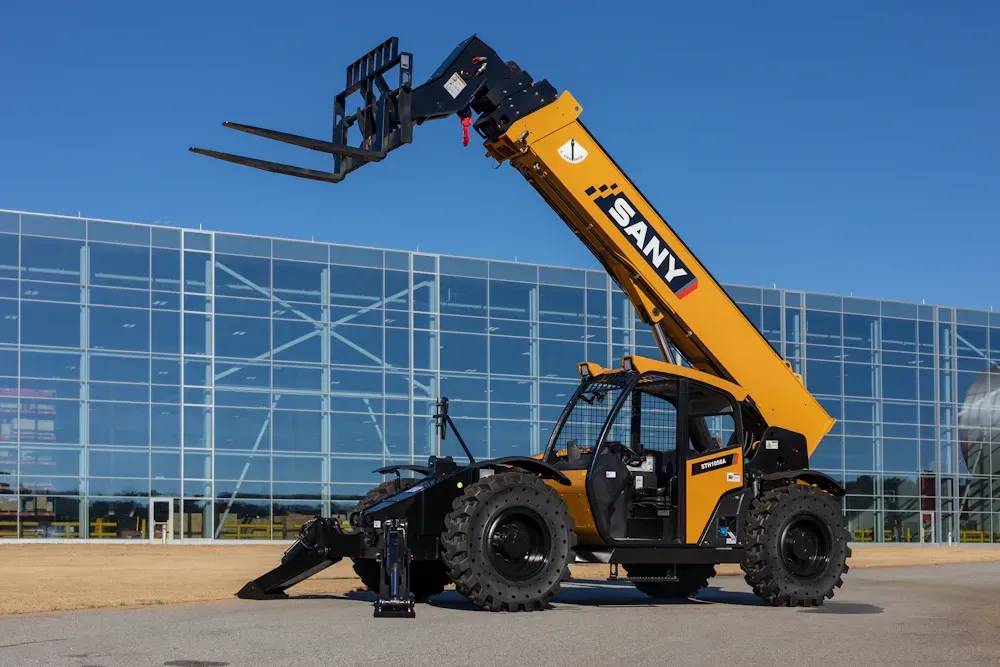
A telehandler is basically a forklift with an extendable arm and rough-terrain manners. It picks, lifts, and places while driving over uneven ground that would make a warehouse forklift miserable. That reach matters when the drop point isn’t straight up and down.

Contractors recognize these common short-term uses right away:

  • Setting roof trusses onto a second story without repositioning a crane every few minutes
  • Rooftop HVAC placement where you need height plus a little forward reach
  • Placing masonry pallets closer to masons, even across uneven subgrade
  • Window and curtainwall staging so crews aren’t hand-carrying heavy units
  • Siding and exterior materials lifted to upper levels in steady cycles
  • Handling steel bundles and long materials that need careful placement
  • Material staging for framing crews so the build stays fed all day
  • Site cleanup with the right attachment, moving debris bins or bulky loads
  • Light snow moving on larger lots if the rental includes suitable attachments and the site allows it

If your job needs both lift height and reach, plus the ability to travel on a rough site, a telehandler usually beats trying to force-fit a forklift into the role.

What you avoid by renting (storage, upkeep, downtime, and resale headaches)

Ownership has costs that don’t show up on the purchase price. Renting pushes many of those headaches off your plate, which matters when you’re trying to keep crews productive.

Renting helps you sidestep:

  • Maintenance time : Grease, filters, fluids, and inspections still have to happen.
  • Wear items : Tires, forks, hoses, and hydraulic issues add up fast.
  • Transport planning : Getting a telehandler to and from sites takes coordination.
  • Insurance and paperwork : Coverage, claims, and tracking assets all take time.
  • Storage space : Yard room isn’t free, and machines hate sitting unused.
  • Resale risk : Market swings, hours, and condition can change the exit value.
  • Lost production : When your owned unit breaks, you’re paying labor to wait.

Renting doesn’t remove responsibility, your crew still needs to operate safely and report issues early, but it can keep the job moving when ownership would slow you down.

How to choose the right rental telehandler for your site

Picking the right telehandler is less about brand loyalty and more about fit. The right fit protects your schedule, reduces re-handling, and lowers the chance of a near miss. A good local dealer can also match you with the right forks, bucket, or other attachments, based on how you actually work.

Before you reserve, use a simple checklist and talk through the options with a dealer. Start by reviewing available telehandlers and then confirm the details for your exact load and placement needs.

A practical step-by-step approach:

  1. Define the loads : What are you lifting, how heavy, and how often?
  2. Define the placement : Height, forward reach, and any obstacles.
  3. Walk the access path : Gates, curbs, slopes, and overhead lines.
  4. Check ground conditions : Soft soil, mud, backfilled trenches, or slabs.
  5. Confirm attachments : Standard forks, swing carriage needs, buckets, or platforms.
  6. Plan delivery and pickup : Timing, staging area, and site contact.
  7. Set safety rules : Spotter plan, travel path, exclusion zones, and daily checks.

Pick lift capacity and reach based on your heaviest load and farthest placement

Capacity and reach work together, and this trips people up. A telehandler might lift a big number close in, but that rating can drop as the boom extends. If you’ve ever carried a long ladder, you’ve felt the same idea, the farther out the weight sits, the harder it is to control.

Ask for load chart guidance so you’re not guessing. Before you call, answer three questions:

  • What’s the max load weight you’ll lift (include pallets, rigging, or special forks)?
  • What’s the max height you need to place the load?
  • What’s the max forward reach from the machine’s front tires to the landing spot?

If you’re near the limits, don’t “make it work.” Move up a size or adjust your placement plan.

Match tires, ground conditions, and turning room to the jobsite

A telehandler that’s perfect for a muddy site may feel clumsy in a tight urban lot. Ground conditions and space decide a lot.

Do a quick site reality check:

  • Access width : Gates, alleys, and tight corners.
  • Slope and grade changes : Ramps, uneven subgrade, and transitions.
  • Overhead hazards : Power lines, canopies, scaffolding, and tree limbs.
  • Ground bearing : Soft fill, trenches, and hidden voids.
  • Material staging : Where loads will be set, then picked and placed.

If your site is tight, talk about turning radius and visibility. If it’s soft, talk about tire type and keeping travel lanes stable. If stabilizers are part of the unit you’re considering, confirm how they affect working space and setup time.

What to ask when searching “telehandler for rent near me”

A quick call can save hours of back-and-forth, but only if you ask the questions that change cost and uptime. When you talk to a local rental team, keep it simple and direct. If you want one place to start the conversation, reference SANY’s telehandler rental services in Pennsauken and describe your job in plain terms.

Here’s a practical call script in bullet form:

  • What models are available for my dates, and what are the lift height and capacity options?
  • Can you deliver to my site, and what’s the lead time?
  • What attachments are available with the rental?
  • Do you offer daily, weekly, and monthly rates?
  • What insurance do you require, and what paperwork is needed?
  • If the machine goes down, what’s the support plan?

Rental basics that change the total cost (delivery, minimum days, overtime, and damage rules)

The rate is only part of the total. These details decide whether the rental feels easy or turns into a surprise invoice.

Ask about:

  • Minimum rental period : One day, three days, or a full week.
  • Delivery and pickup fees : Distance, access limits, and scheduling windows.
  • Meter hours and overtime : What counts as standard use in a day or week.
  • Weekend rules : Friday drop, Monday pickup, and if the weekend is billed.
  • Fuel, cleaning, and refuel fees : What you’re responsible for at return.
  • Wear items and damage : Tires, forks, glass, lights, and what’s considered abuse.

Clear answers up front make it easier to compare quotes fairly.

Support questions that keep your crew moving

Downtime is where rentals either pay off or fall apart. Support is part of what you’re buying.

Ask these:

  • How fast can you swap out a machine if there’s a mechanical issue?
  • Do you offer on-site service , and what hours?
  • Are common parts in stock locally, or do they ship in?
  • What’s expected for operator qualifications and daily inspections?

If your rental turns into a longer need, ask about paths to ownership. SANY of Pennsauken can help with parts and service, and in-house financing is available if you decide buying makes more sense later.

Easy next steps, reserve the machine, get it delivered, and keep the project on schedule

Renting a telehandler should feel like setting up a delivery, not starting a second job. A simple timeline keeps everyone aligned.

Here’s a clean way to run it:

  1. Call sales or rental with your load weight, height, and reach needs.
  2. Confirm the machine and attachments , then lock in the dates.
  3. Schedule delivery , plan where it will be staged, and name a site contact.
  4. Do a walk-around inspection at drop-off, note existing wear, and review controls.
  5. Operate with a plan : spotter when needed, clear travel lanes, and stable staging.
  6. Return or extend early, especially if weather or inspections change your schedule.

If you want to see how a unit feels before a job starts, come in for a heavy machinery demo, or book a Tow and Show so the machine comes to your yard or site. That’s a practical move for crews working across Philadelphia, South Jersey, Central and North Jersey, Shoreline NJ, Southeastern PA, Lehigh Valley, NYC and Long Island. Next, wrap it up with one call so the right machine shows up on time.

Conclusion

A telehandler rental gives you the reach a forklift can’t, without paying for ownership when the job’s short. You get predictable cost, the right size for the task, and backup support if something goes sideways. When the schedule is tight, renting is often the simplest way to protect your crew’s time and your customer’s deadlines. Call 609-546-3799 to speak with SANY to learn more about our machines or fill out this form to book a demo.

5 Years / 5000 hours

Warranty on SANY

Heavy Machinery Sales

Get the right heavy machinery for your next project. Serving New Jersey, Southeastern Pennsylvania, Greater Philadelphia, NY (boroughs & LI).

Heavy Equipment Rental NJ

Reliable Machines. Fast Turnaround. Local

Support You Can Depend On.


SHARE THIS

Latest Posts

By Sany of Pennsauken March 30, 2026
How Industries Use Heavy Machinery (and Why It Pays Off)
A yellow Sany excavator with its bucket raised, positioned on a dirt mound against a clear blue sky.
By Sany of Pennsauken March 12, 2026
Excavators for Sale: Matching Machine Size to Jobsite Demands
A yellow Sany wheel loader with a large raised bucket sits on a dirt construction site under a clear blue sky.
By Sany of Pennsauken February 26, 2026
Wheel Loader for Sale: Productivity Gains That Impact Your Bottom Line
Construction equipment, including an excavator and tractors, working on an open, sandy site under a clear blue sky.
By Sany of Pennsauken February 26, 2026
Backhoe Loader vs Mini Excavator: Choosing the Right Machine for the Job
A yellow SANY telehandler parked outdoors on a paved surface with a glass building in the background under a blue sky.
By Sany of Pennsauken February 19, 2026
Food and Agriculture Are New Jersey’s Third Largest Industry, and Heavy Equipment Keeps It Moving
A yellow skid-steer loader dumping a pile of red soil at a construction site against a bright blue sky.
By Sany of Pennsauken February 12, 2026
Picking the right crew, equipment, and plan isn’t about what you prefer, it’s about what the job demands. The types of construction you take on change everything, from permits and safety rules to how much space you’ll have to stage materials.
A yellow SANY skid steer loader operates in a red dirt construction site near a small, black branded canopy tent.
By Sany of Pennsauken February 5, 2026
Is a Compact Track Loader a Skid Steer? The Clear Answer for Jobsite Buyers
landscaping trends, landscaping industry trends, landscape trends, trends in landscaping industry
By Sany of Pennsauken January 26, 2026
Landscaping Trends in 2026: What’s Changing, What Clients Buy, and What Equipment Keeps Crews Moving | SANY of Pennsauken Blog
commercial construction, commercial construction growth
By Sany of Pennsauken January 23, 2026
Commercial Construction Growth in Pennsylvania, New Jersey, and NYC (2026 Jobsite Ready) | SANY of Pennsauken Blog | SANY dealer near me

heavy machinery, plumbing, heavy machinery for plumbing, heavy machinery for utilities
By Sany of Pennsauken January 12, 2026
How Plumbers Use Heavy Machinery for Sewer, Water, and Utility Work | SANY of Pennsauken Blog
Show More