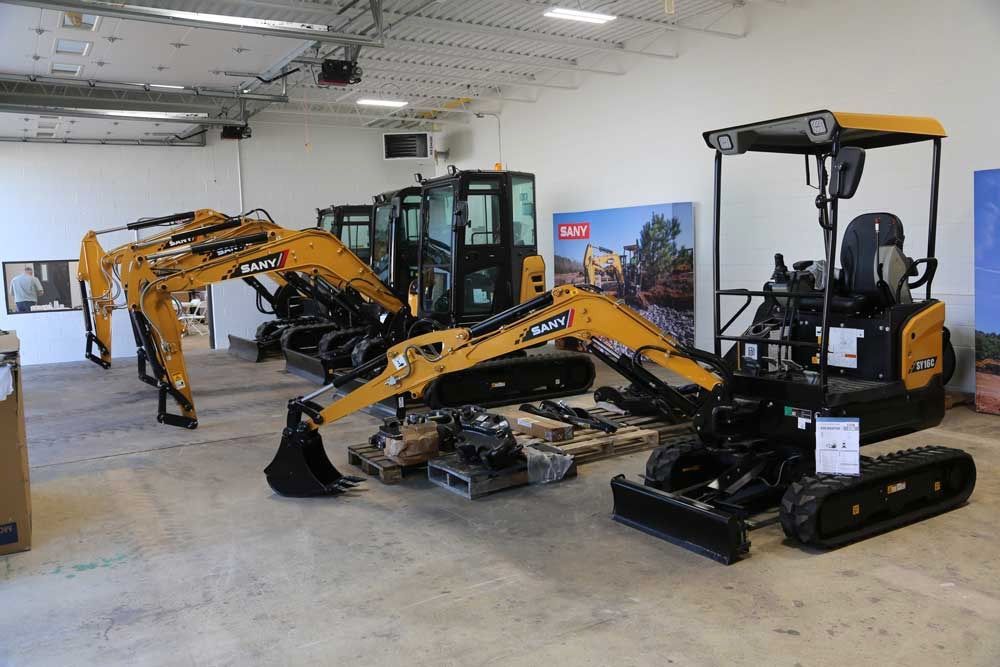
How Industries Use Heavy Machinery (and Why It Pays Off)
By Sany of Pennsauken • March 30, 2026
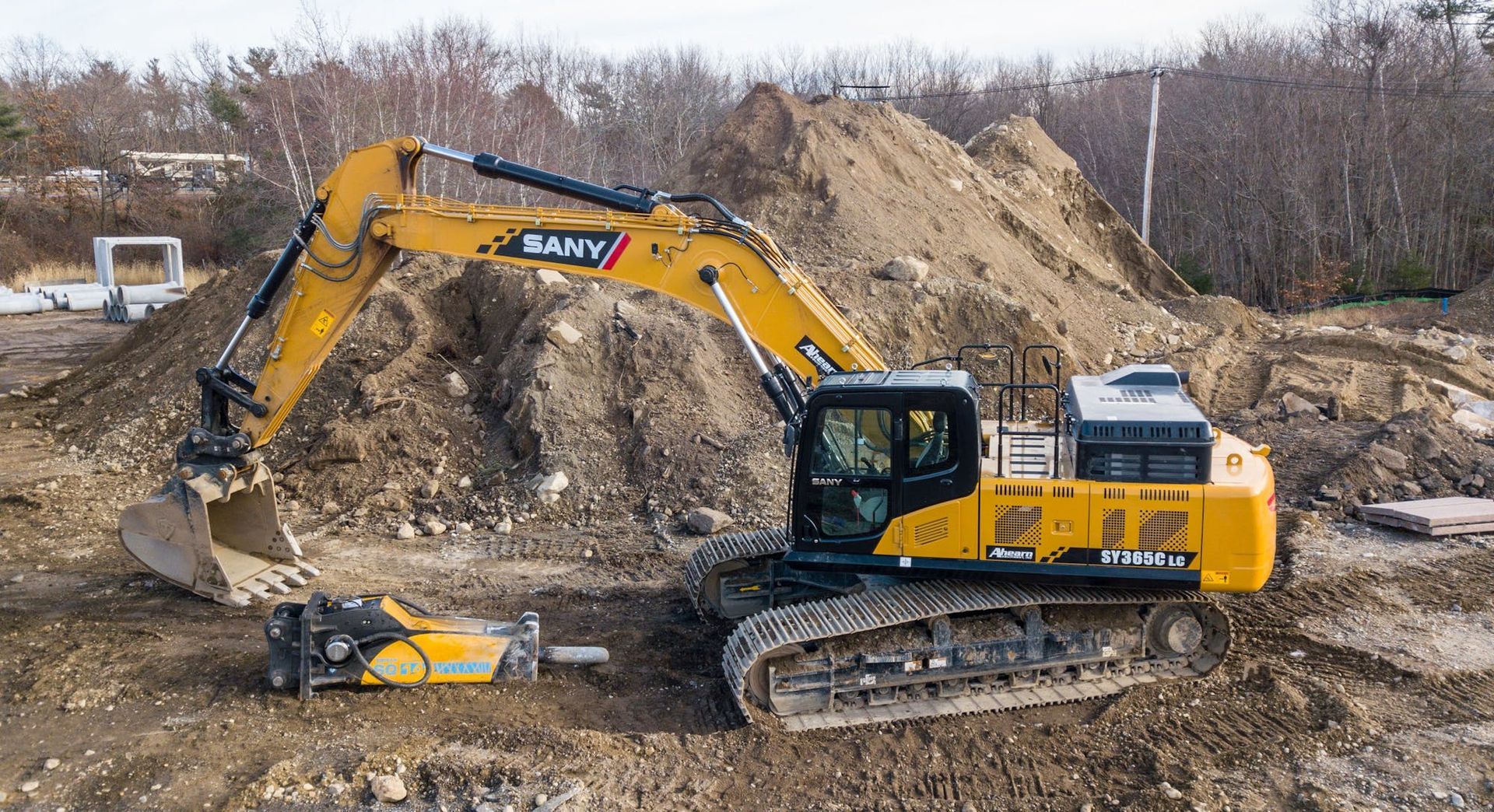
Heavy machinery is the muscle behind modern work, the excavators, loaders, cranes, dozers, telehandlers, graders, and haul trucks that turn big plans into finished jobs. When you watch one machine place a pipe section or load out a truck in minutes, it’s hard not to think: this is what progress looks like.
If you’re picking equipment for real projects, the “why” is simple. Heavy equipment brings speed , safer handling, serious lifting power, repeatable results, and less strain on your crew. To see what fits your work, start with the full lineup in the SANY product catalog.
Call 609-546-3799 to speak with SANY to learn more about our machines
This guide walks through how major industries use heavy machinery, with practical examples of the tasks these machines handle every day, and what changes the best machine choice from one site to the next.
Construction and infrastructure: moving dirt, setting pipe, and placing heavy loads
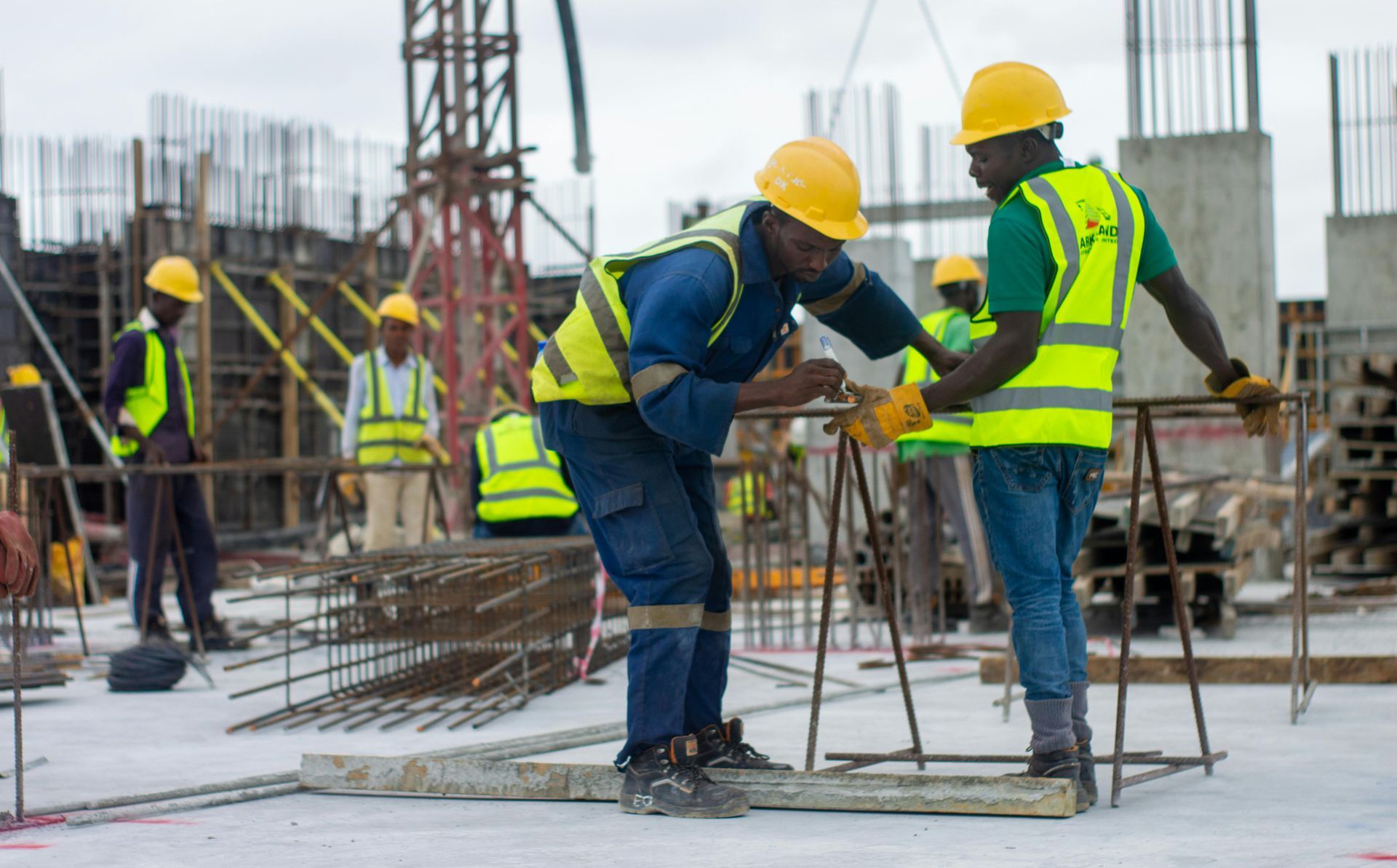
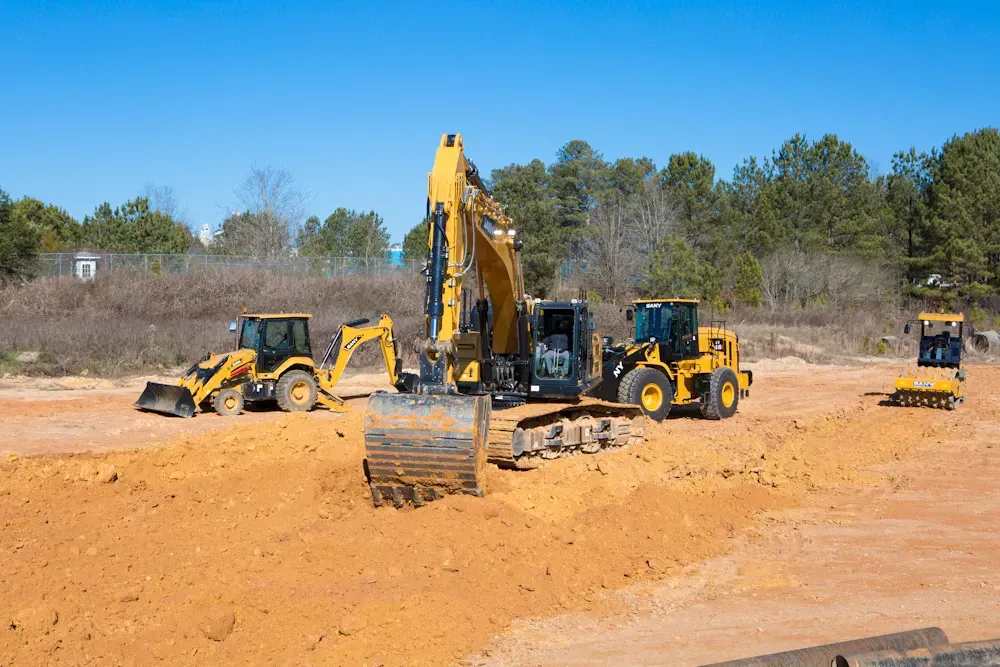
Construction is where heavy machinery earns its keep fast. It’s not only about digging, it’s about keeping crews on schedule while controlling risk. On a typical job, machines handle site prep, trenching, grading, lifting, demolition, and material handling, often all on the same footprint.
Machine choice changes based on jobsite space, lift height, soil type, production targets, and the attachments you plan to run. A tight urban utility job might need compact equipment with careful swing clearance, while a subdivision build might favor larger machines that move more per pass. Attachments can also decide the winner, because the right tool turns one machine into three.
Here are common machines you’ll see across construction work, and what they’re usually doing:
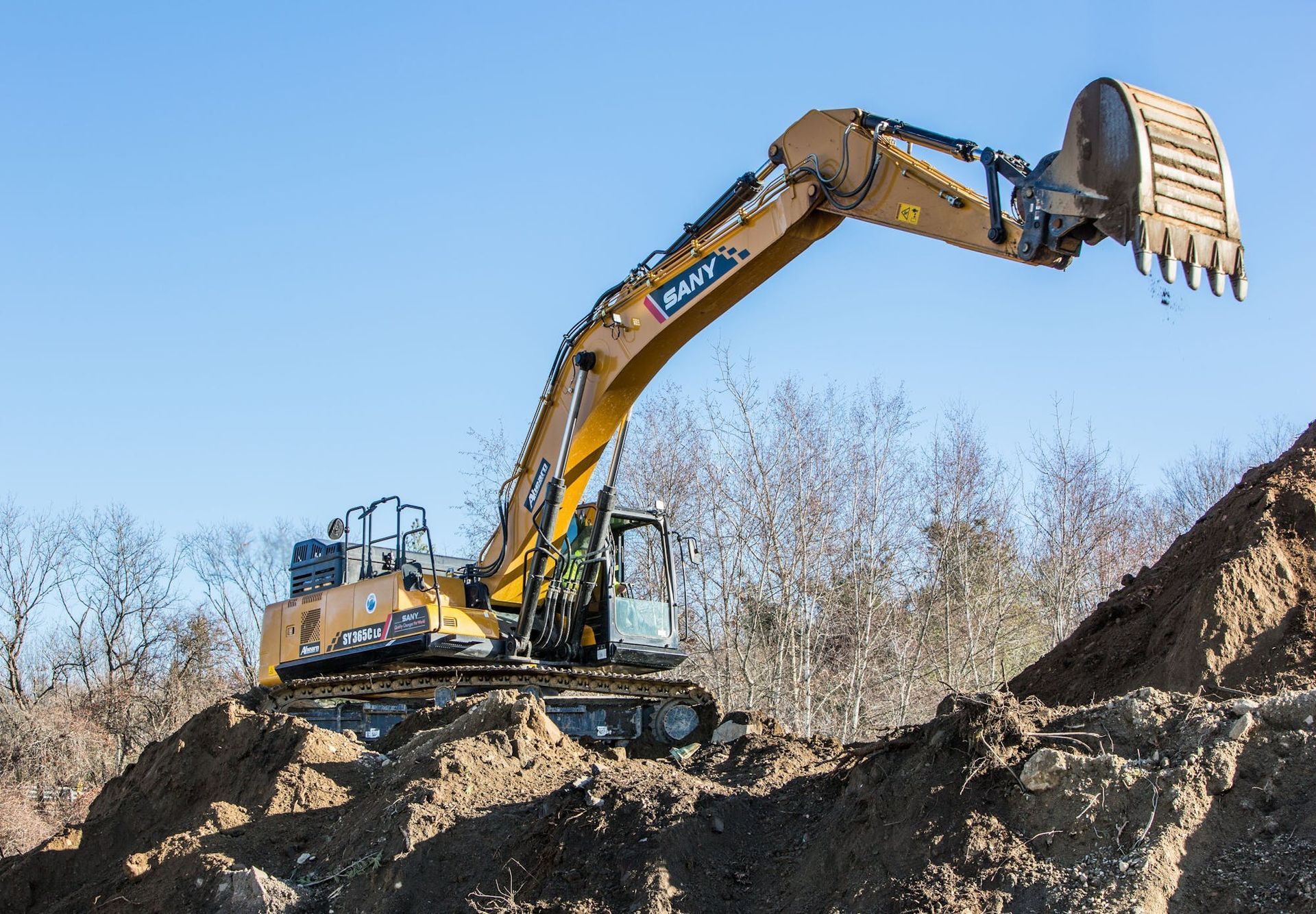
- Excavators : Digging footings and trenches, placing pipe, handling demolition, loading trucks.
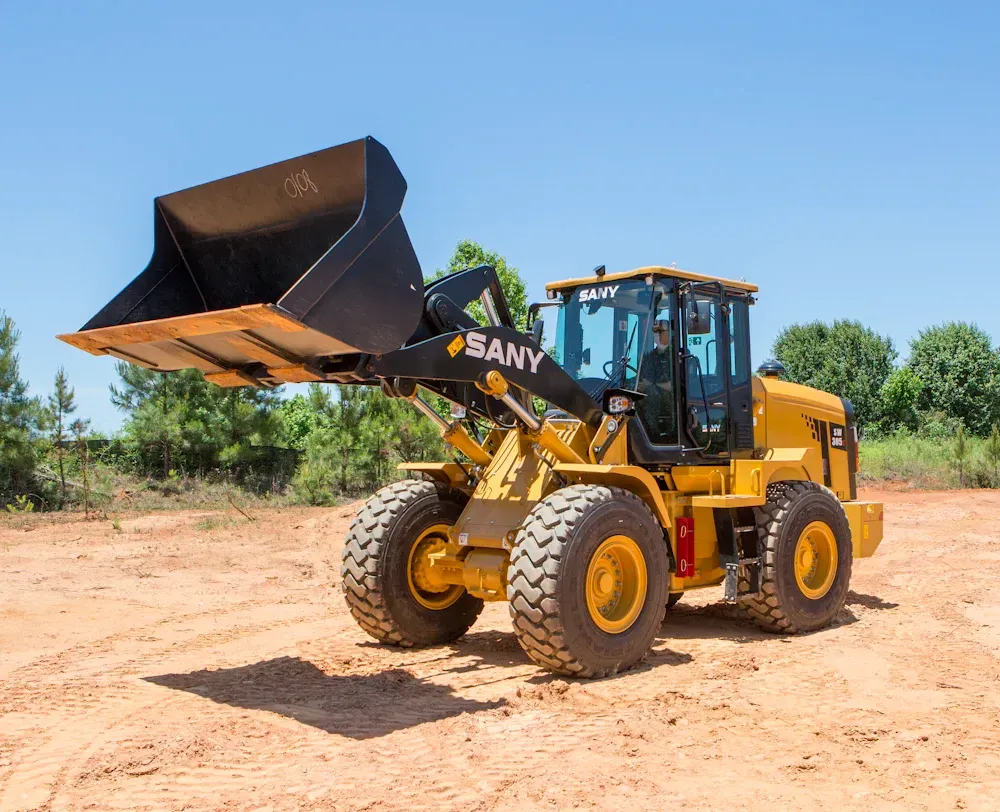
- Wheel loaders : Stockpiling, loading dump trucks, moving aggregate, cleaning up.
- Dozers and graders : Pushing, rough grading, finish grading, building pads and roads.
- Telehandlers and cranes : Lifting pallets, setting trusses, placing equipment, working at height.
If you need extra iron for a busy stretch, short-term access can be the difference between profit and overtime. Many fleets mix owned machines with heavy equipment rental services to cover peak demand without overbuying.
Excavators, loaders, and dozers for earthmoving and site prep
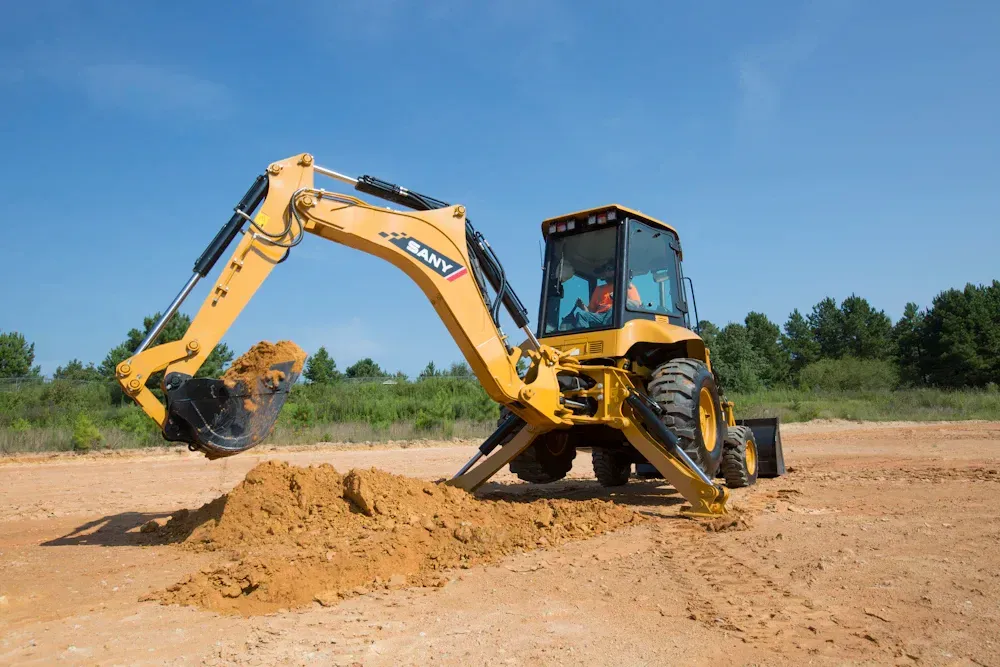
Excavators are the “hands” of most jobsites. They dig foundations, cut trenches for water and sewer, shape ponds, and load out spoils. They also do controlled demolition when you set them up right, because you can keep operators in the cab and people out of the fall zone.
What makes them so useful is how quickly you can change their role with attachments. A bucket is the default, but a breaker can chip concrete, and a thumb can grab debris, pipe, or rocks without ground labor wrestling it into place. Even small changes like a trenching bucket versus a clean-up bucket can show up in your daily production.
Wheel loaders are about fast cycles and clean truck loading. They shine when you’re moving bulk material repeatedly, aggregate, soil, asphalt millings, salt, or recycled concrete. The steady rhythm of a loader keeps trucks from sitting, and trucks sitting is money leaking.
Dozers take over when you need push power, clearing, rough grade, or backfilling long runs. They’re also the quiet hero of site prep because they can spread fill evenly and keep a site moving even when conditions are sloppy. Compact machines fit tight lots and residential access. Larger machines win when production targets matter more than maneuvering.
Cranes and telehandlers for lifting safely on busy jobsites
Lifting is where planning matters most. A pick that’s fine on paper can turn risky fast if the ground is soft, the swing radius is tight, or your load has to travel over people and structures. That’s why crews rely on lift plans, lift charts, and clear communication, especially on active sites.
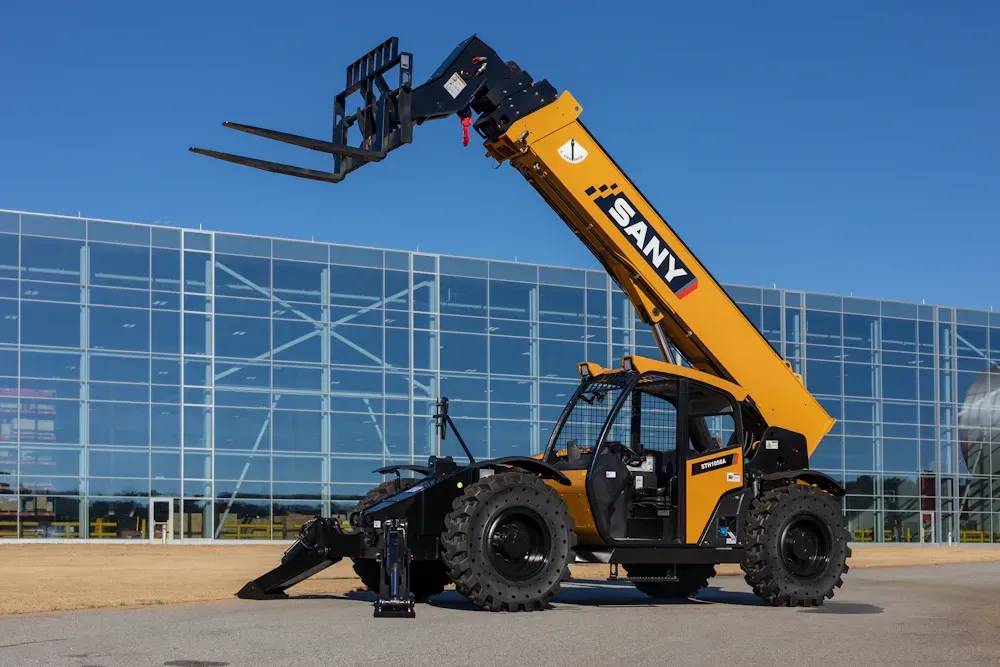
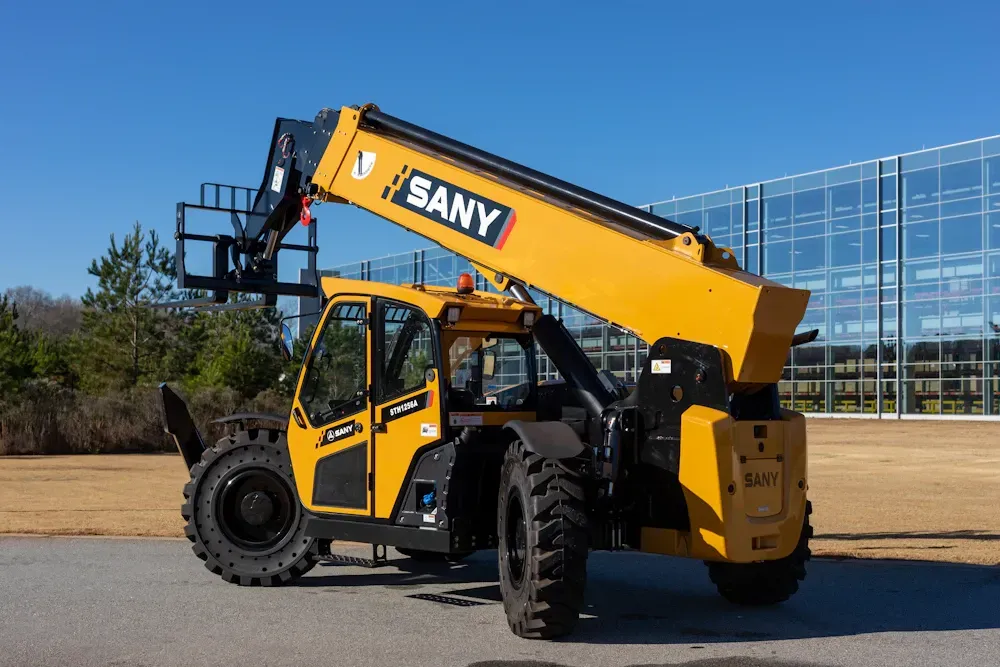
Telehandlers are popular because they cover so many “in-between” moves. They can place pallets of block, move pipe bundles, set rooftop units within reach, and carry trusses to where crews need them. Compared to cranes, telehandlers are usually faster for material handling and staging, and they can drive with a load (within limits). Cranes still rule when the job needs high lifts, long radius picks, or very heavy sets where charts and rigging are the whole game.
If telehandlers are part of your plan, it helps to start with machines built for construction work, plus the right attachments for forks and positioning. You can browse SANY telehandler models and match capacity and reach to your typical lifts.
A short safety checklist that prevents a lot of bad days:
- Confirm load ratings (capacity changes with boom angle and extension).
- Check ground conditions (pads, mats, and slope limits matter).
- Use a spotter when sight lines are blocked or the site is busy.
- Control the travel path (keep people out, keep the route level, stage the set).
Mining and quarrying: high-volume hauling and tough material handling
Mining and quarry work looks like construction from a distance, but the pace and punishment are different. Instead of moving mixed soil for a few weeks, these sites move rock all day, every day. That changes what matters most: durability, cycle time, and planned maintenance.
A quarry has a rhythm. Material gets exposed and broken, then loaded, then hauled to a crusher or stockpile. The goal is constant flow. If one piece slows down, the whole chain feels it. That’s why equipment managers watch things like tire wear, hydraulic temps, fuel burn, and how many passes it takes to fill each truck. You don’t need perfect numbers to run well, but you do need consistency.
The work also pushes machines in ways many construction sites don’t. Sharp rock eats tires and buckets. Dust finds every seal. Long ramps stress brakes and cooling systems. And because production runs are long, downtime planning becomes part of daily operations, not a once-a-season task.
Haul trucks, loaders, and draglines that keep material moving
Haul trucks and large loaders are the heartbeat of many pits. Loaders need enough breakout force to handle shot rock, plus the stability to stay productive on uneven ground. Trucks need payload capacity and strong braking for long grades, and the whole operation depends on keeping cycle times predictable.
A simple way to picture it: the loader’s job is to fill a truck in a consistent number of passes, then get the next one. If it takes extra passes, you lose time on every cycle. If the bucket isn’t right for the rock, you lose it again in spillage and cleanup.
In some operations, draglines and other large excavation equipment take over when the scale is huge or the cut is deep. Their strength is steady production over long shifts, with fewer moves of the machine itself. The tradeoff is planning and space, because these machines don’t fit every site layout.
Dust, slopes, and wear: what makes quarry equipment choices different
Quarry equipment choices come down to site conditions as much as spec sheets. Dust and heat demand strong filtration and cooling. Slopes demand braking confidence and stable loading areas. Sharp material demands guarding and heavy wear surfaces, because rock doesn’t forgive light steel.
Site layout plays a big role too. Bench height, ramp length, and turning radius all influence machine size. A big machine can be the right answer, until it can’t turn cleanly or it overwhelms the haul road.
Common wear parts that crews plan around include:
- Bucket teeth and cutting edges : Constant contact with abrasive material.
- Tires : Sharp rock, heat, and heavy loads add up quickly.
- Undercarriage components (on tracked machines): Pins, bushings, rollers, and track shoes take daily abuse.
- Filters (air and hydraulic): Dust loads them fast, and clogged filters cost power and life.
Planned downtime matters because emergency downtime is never “just a day.” It ripples into missed loads, late deliveries, and rushed repairs.
Agriculture and forestry: faster field work and safer timber handling
On farms and in the woods, heavy machinery is about getting more done in fewer passes. When weather windows are tight, a machine that moves material quickly can save a season’s schedule. It’s also about safety, because rural work often happens far from quick help, and fewer manual lifts means fewer injuries.
Agriculture uses purpose-built machines like tractors and harvesters, but many construction machines play a real role on rural property too. Land clearing, drainage work, pond shaping, road base, and moving bulk materials are all jobs where excavators, loaders, and telehandlers show up.
Forestry adds uneven ground, heavy wood, and limited access. Machines that stay stable on slopes and protect the operator are a priority. Good guarding, clear visibility, and controlled handling make the difference between steady production and risky improvising.
Tractors, harvesters, and loaders that cut time during busy seasons
Tractors and harvesters handle the core field work, planting, cutting, baling, and harvesting. But the “support work” is where many operations gain time back, and that’s where loaders and handlers earn their spot.
A loader can move feed, manure, hay, and pallets without tying up a tractor that needs to stay on an implement. With the right attachment, it becomes a year-round tool, not a seasonal purchase. The value is flexibility, especially when your day turns into ten small tasks across a large property.
Attachments are where versatility shows up fast. Forks help with pallets and totes. Bale spears handle round bales cleanly. Grapples control brush and debris. If you’re trying to do everything with one bucket, you’ll feel it in time and cleanup.
Logging machines, chippers, and grapples for controlled wood processing
Logging is a chain of steps: felling, moving logs, loading, and processing. Some crews use dedicated feller-bunchers and forwarders. Others mix equipment based on timber size, terrain, and crew makeup. Either way, the goal stays the same, control the wood, keep people out of pinch points, and keep production steady.
Grapples reduce manual handling. They let an operator sort logs, feed a chipper, or stage material without ground workers wrestling heavy pieces. Chippers and grinders turn slash into usable product or manageable waste. That keeps sites cleaner and reduces burn piles.
Stability matters on uneven ground. So does guarding, because branches and debris don’t bounce politely. Machines with solid protection and clear work zones help crews stay focused, especially when the pace picks up.
Energy, manufacturing, and logistics: lifting big parts and moving oversized loads
Energy sites, factories, shipyards, and logistics yards share one problem: parts that humans can’t move safely. Think pipe bundles, tanks, generators, turbine sections, steel beams, and loaded containers. Heavy machinery turns those moves into repeatable steps, with less chaos and fewer surprises.
These industries also run on tight schedules. A delayed set can stall multiple crews. A wrong attachment can stop a line. A poor staging plan can jam a yard and waste a day. That’s why the best operations treat equipment as part of the process, not an afterthought.
Risk control is also higher because the stakes are higher. Loads are often expensive, odd-shaped, and sensitive to impact. Travel paths cross active work areas. Ground conditions can change with weather. Good operators matter, but good planning matters just as much.
Oil, gas, and power: rigs, cranes, and support equipment at remote sites
Drilling rigs and energy projects depend on more than the rig itself. Support equipment moves pipe, sets tanks, places generators, and maintains access roads. Cranes handle picks for heavy components, while telehandlers and loaders stage materials where crews can reach them.
Remote sites add planning problems that don’t show up in town. Access roads might need work. Soft ground needs mats. Weather can stop lifts and turn a stable pad into a mess. Power projects also deal with long lead times and strict set windows, so equipment needs to be ready when the site is ready.
This is also where service support matters. When a machine is down far from a shop, every hour costs more. Many operations keep parts plans tight and maintenance schedules strict to avoid breakdowns in the middle of a critical set.
Factories, shipyards, and transport yards: handling parts that humans can’t
In manufacturing and port settings, heavy machinery is about precise placement and traffic control. Overhead cranes move large parts on the line. Telehandlers and forklifts handle pallets and staging. Heavy haulers and yard tractors move big loads between zones. The work looks calm when it’s done right, because everyone knows where the load is going next.
Precision matters even when the load is huge. A steel section might need to land on bolts without shifting. A turbine component might need slow, controlled movement with the right rigging. Load securing is part of the job, not an extra step.
Common mistakes that cause delays are simple, and painful: showing up with the wrong attachment, using an undersized lift plan, poor staging that blocks the next move, and unclear traffic control that leads to stop-and-go congestion.
Conclusion
Heavy machinery shows up in different industries, but the goal stays the same: do more work , do it safer, and get consistent results day after day. Construction needs flexibility and fast cycles. Mining needs steady flow and wear planning. Agriculture and forestry need fewer passes and controlled handling. Energy, manufacturing, and logistics need precision and risk control.
If you’re a contractor or fleet manager, the next step is straightforward. Come in for a heavy machinery demo, book a tow and show, call sales or rental to match the right machine to your jobs, call for parts or service to keep uptime strong, and ask about in-house financing available for growth without a cash crunch.
Call 609-546-3799 to speak with SANY to learn more about our machines or fill out this form to book a demo.
5 Years / 5000 hours
Warranty on SANY
Heavy Machinery Sales
Get the right heavy machinery for your next project. Serving New Jersey, Southeastern Pennsylvania, Greater Philadelphia, NY (boroughs & LI).
Heavy Equipment Rental NJ
Reliable Machines. Fast Turnaround. Local
Support You Can Depend On.
SHARE THIS
Latest Posts