Food and Agriculture Are New Jersey’s Third Largest Industry, and Heavy Equipment Keeps It Moving
By Sany of Pennsauken • February 19, 2026
If you work around dirt, stone, and tight schedules, New Jersey farming might not be the first thing you think about. But food and agriculture are New Jersey’s third largest industry , and you can feel that impact every time you see stocked produce shelves, nursery yards full of trees, fresh sod rolls, and Jersey favorites like blueberries, peaches, and tomatoes moving on trucks.
It matters for local jobs, supply chains, and land use, because farms and food sites aren’t just pretty fields. They’re working properties with lanes, drainage, loading areas, pads, and storage, and they run on tight windows. When a ditch plugs up or a driveway turns to soup, uptime stops being a nice bonus and starts being the difference between making the delivery or missing it.
Heavy Construction Machinery for Sale is a good place to start if you’re comparing options for ag work that looks a lot like site work.
Call 609-546-3799 to speak with SANY to learn more about our machines or fill out this form to book a demo.
Here’s what this post covers, in plain terms:
- How agriculture gets big enough to rank third in New Jersey
- What New Jersey grows and ships (it’s more than you think)
- Where heavy equipment fits on farms, nurseries, and food sites
- How to choose the right machine for NJ ground, weather, and work windows
Call 609-546-3799 to speak with SANY to learn more about our machines or fill out this form to book a demo.
Why food and agriculture rank as New Jersey’s third largest industry
When people hear “agriculture,” they often picture row crops and tractors. In New Jersey, “food and agriculture” is bigger than that. It includes farms, greenhouses, nurseries, sod and turf operations, feed suppliers, food processing plants, cold storage, trucking, ports, wholesalers, and the shops that keep equipment running.
That’s why the “third largest” idea is believable even without quoting a single perfect number. New Jersey has high-value products, strong local demand, and a lot of supporting businesses packed into a small footprint. Add in the amount of money tied up in land, infrastructure, and distribution, and it starts to look less like “just farms” and more like a full industry.
If you’re a contractor or fleet manager, the overlap is obvious once you look for it. Farms need land clearing, site prep, drainage, drive lanes, road access, building pads, material handling, and seasonal work like snow removal around storage and packing sites.
The main reasons it’s such a large industry are straightforward:
- High-value crops and products : Many NJ ag products bring in more dollars per acre than basic commodity crops.
- Dense markets nearby : NJ sits next to major metro demand, so fresh product moves fast and often.
- Ports and highways : Distribution is baked into the state’s geography, from regional warehouses to port access.
- A huge nursery and greenhouse sector : Trees, shrubs, bedding plants, and turf move year-round, not just at harvest.
What New Jersey grows and ships, and why it pays well
New Jersey agriculture isn’t only about fields of corn. A lot of the money comes from products that take skill, infrastructure, and careful timing. Think nursery stock and greenhouse plants that have to look perfect, turfgrass that can’t be torn up by bad traffic patterns, and specialty crops with a short, make-or-break harvest window.
Real examples you’ll see across the state include nursery plants, sod and turfgrass, greenhouse production, blueberries, cranberries, peaches, tomatoes, sweet corn, and equine operations that need bedding, footing material, and steady deliveries. Some of these products are “high value per acre,” which is a simple idea: a smaller piece of land can generate more revenue because the product sells for more and often requires more handling.
That higher value comes with higher pressure. A wet week during harvest doesn’t just slow things down, it can spoil quality, push crews into overtime, and jam up transportation. The same thing happens in spring planting and peak nursery shipping seasons. That’s one reason dependable machines matter so much. When the window is tight, breakdowns don’t politely wait until next week.
The hidden jobs behind every harvest
A harvest is the visible part, but a lot of the work sits behind it like the wiring behind a wall. Food and agriculture supports off-farm jobs that look a lot like construction and industrial support work, including cold storage, packing sheds, fertilizer and feed supply, maintenance shops, haul trucks, port and warehouse connections, and equipment service.
For business owners, the lesson is familiar: downtime costs real money. When a loader is down during a busy shipping week, it’s not just a machine problem. It’s a labor problem, a scheduling problem, and sometimes a product-loss problem. Parts availability and service response time matter, because waiting three days for a fix can turn into missed deliveries and unhappy buyers.
Cash flow matters too. Many ag businesses get paid on cycles, and they still need machines ready every day. Financing options, smart rentals, and rental purchase plans can make the difference between stretching an old unit too long and keeping a reliable fleet.
Where heavy equipment fits on farms, nurseries, and food sites
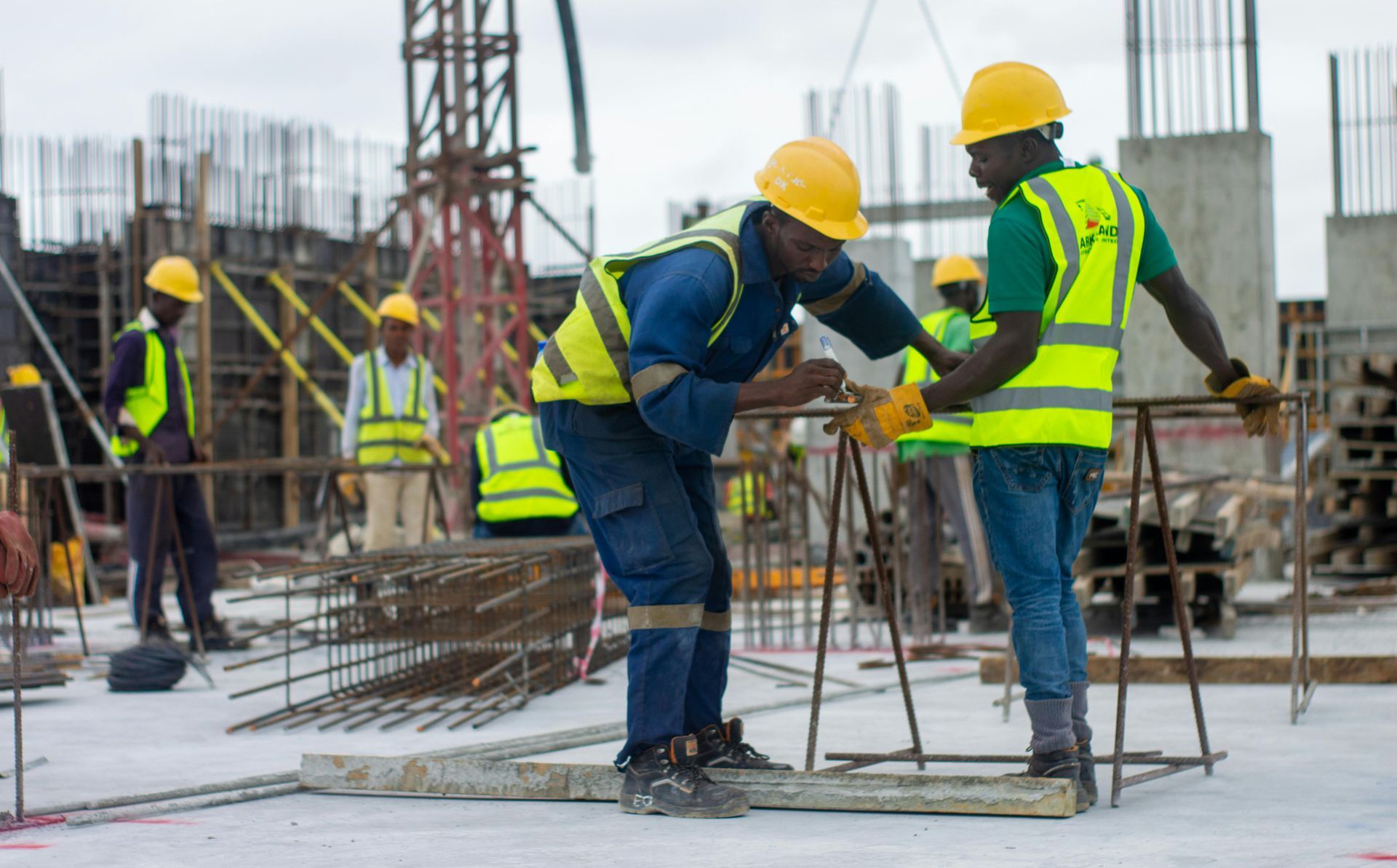
A lot of ag operations run like small industrial sites, just with more mud and more weather. They have roads and pads, drainage, loading zones, compost or manure piles, storm cleanup, and constant building projects, from greenhouse expansions to new storage buildings.
This is where types of heavy construction machinery stop being a “construction-only” topic. The same iron that grades a subbase or loads out a demo pile can keep a farm lane passable, keep water moving, and keep material handling safe and fast.
Common tasks where heavy equipment helps include:
- Ditch and drainage work, culverts, and tile trench support
- Pond cleanouts and sediment removal
- Land leveling for planting blocks, pads, and traffic lanes
- Moving mulch, soil, stone, compost, and manure
- Stacking pallets, loading trucks, and handling bulk bags
- Demo and rebuild work around barns, sheds, and packing areas
- Storm cleanup, downed limbs, and debris loading
- Snow removal around cold storage, docks, and employee parking
If you’ve ever watched a loaded truck sink to the axles, you already know the “small” problems that become big problems fast.
Jobs that burn time without the right machine
After a hard storm, a farm road can look fine until the first box truck rolls in. With the wrong machine, you end up pushing mud around instead of fixing the base. Trucks get stuck, ruts get deeper, and now the day is about recovery, not deliveries.
A clogged ditch is another classic. Water backs up, then it spreads, then the shoulder disappears. If you don’t have the reach or the right bucket, the job takes twice as long and still doesn’t drain right.
Greenhouse and nursery pads create their own headaches. You might need to widen a pad, add stone, and keep grades tight so water doesn’t run under structures. A machine that’s too big can’t maneuver. A machine that’s too small can’t finish before crews show up.
Bulk mulch and soil handling sounds simple until you’re moving it all day. Using a machine with the wrong bucket, poor traction, or slow cycle times turns a clean loading job into a long, messy one, and it ties up trucks that should already be back on the road.
Types of heavy construction machinery used in agriculture (and what each one is good at)
Here’s the practical view. Different machines solve different farm problems, and the “best” choice depends on ground, access, and how often you’ll use it. Keep it simple: pick the machine that does your most common work well, then use attachments to cover the rest.
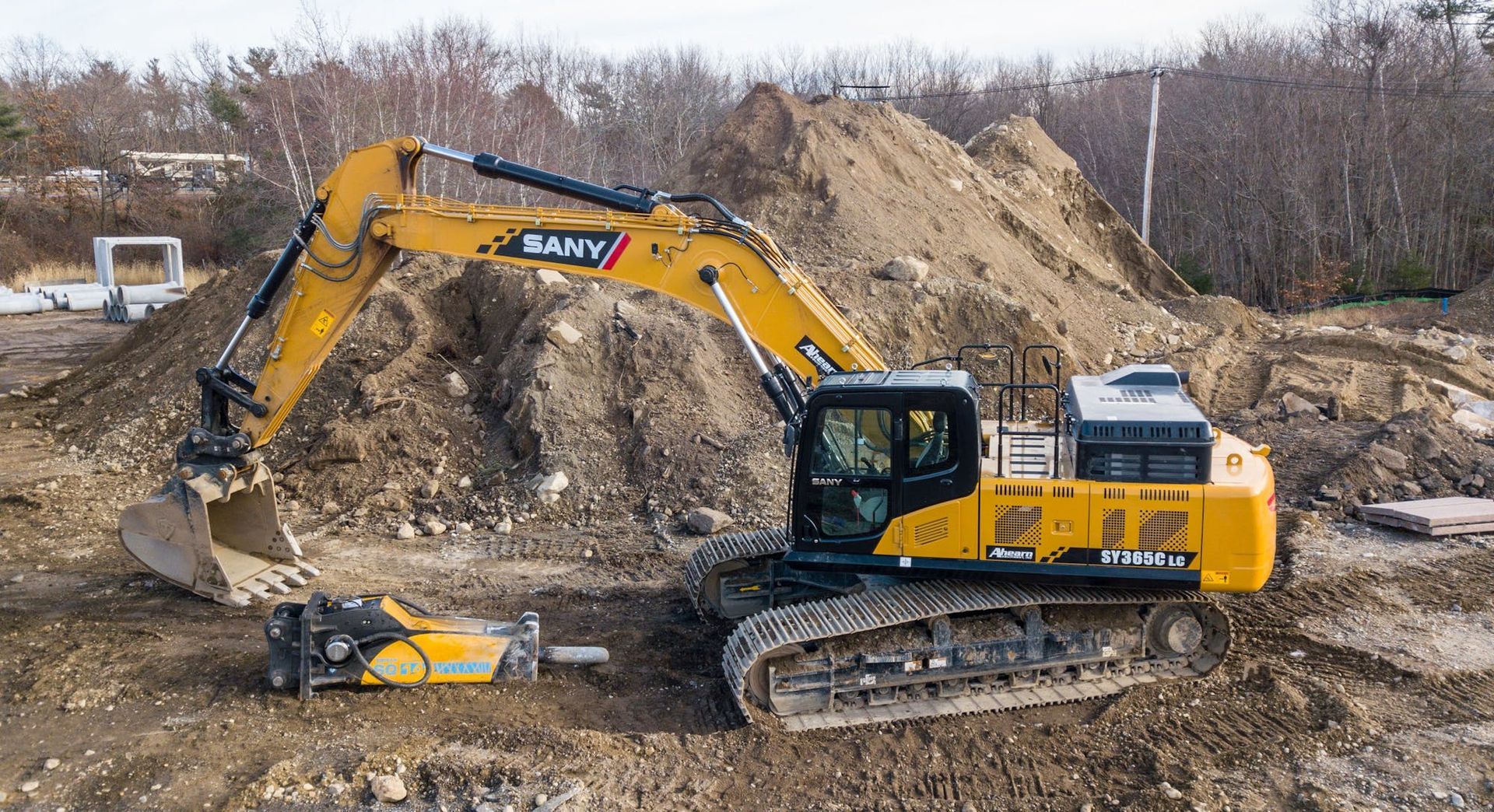
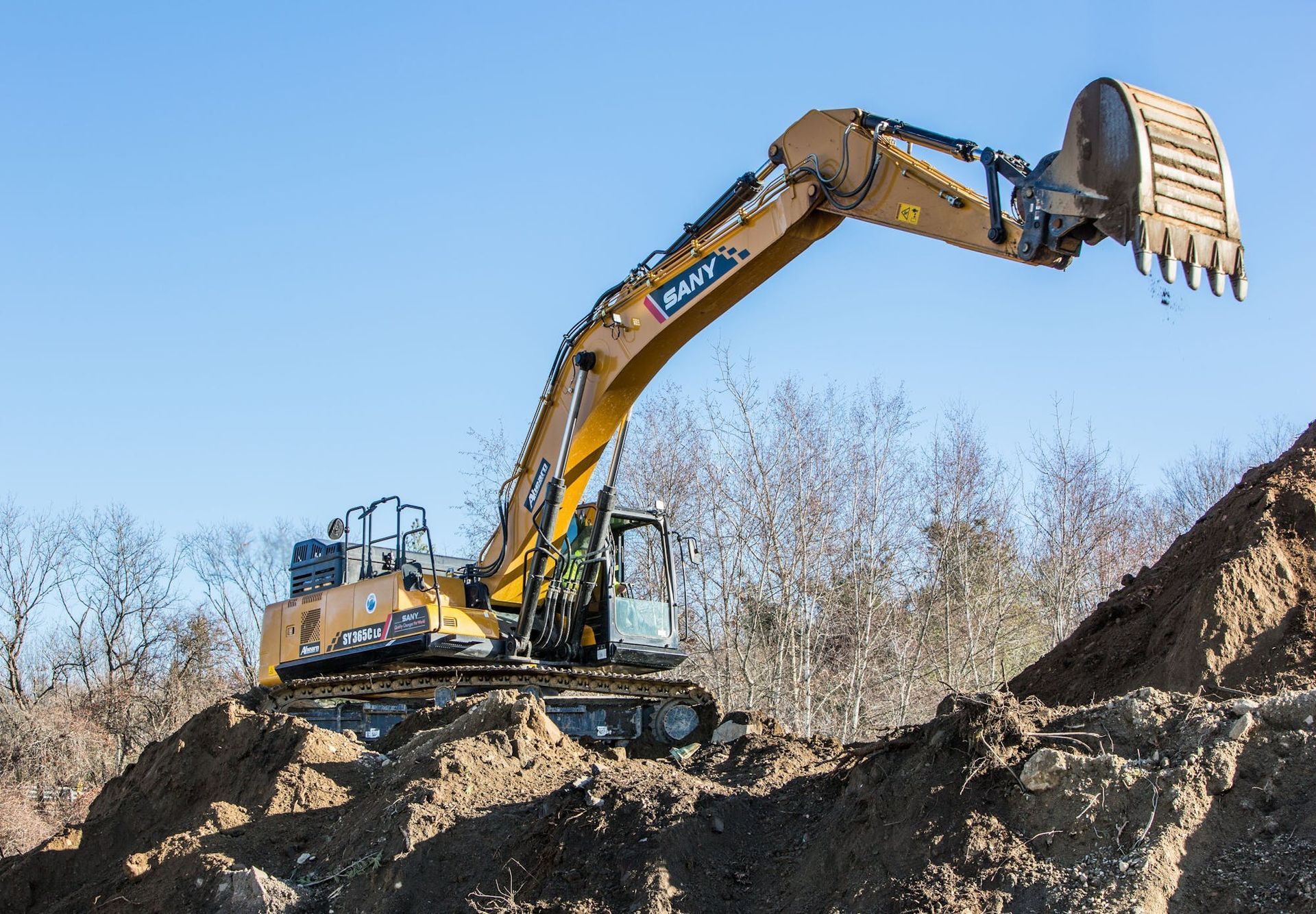
- Excavators (mini to large)
- Best for: drainage ditches, ponds, trenching, culverts, cleanup after storms
- Tip: match bucket types to the job (trenching buckets for narrow cuts, ditch-cleaning buckets for shaping and cleanup)
- Watch-out: ground pressure and transport planning can make or break the schedule
- Wheel loaders
- Best for: loading bulk piles (mulch, soil, stone), moving silage or compost, fast truck loading
- Tip: buckets, forks, and grapples turn a loader into a true yard machine
- Watch-out: soft ground can limit where you can work, tires and ballast matter
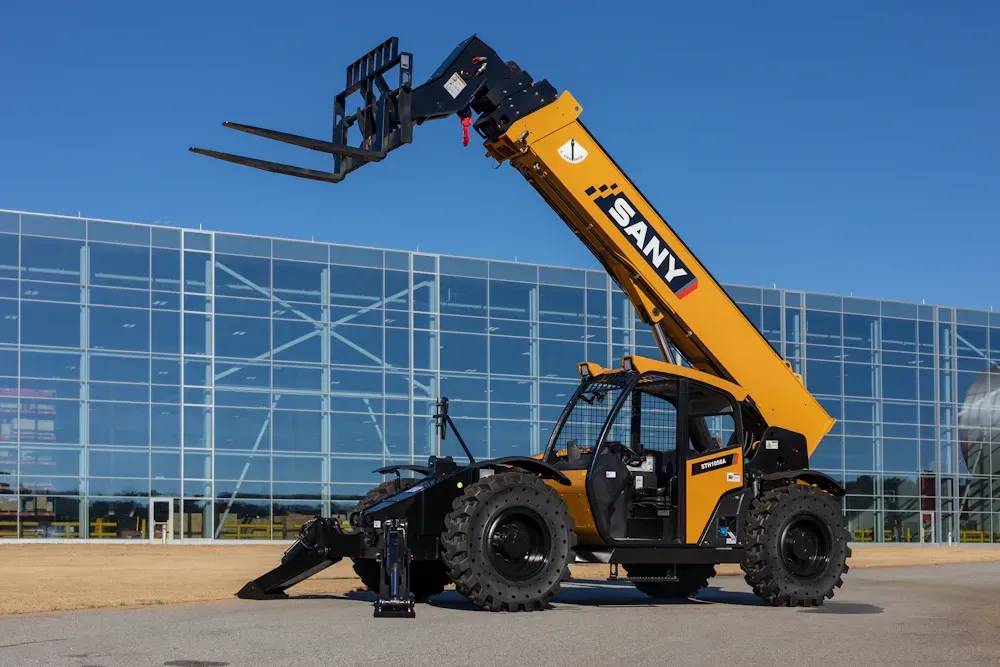
- Telehandlers
- Best for: lifting pallets, placing materials into barns or storage, loading trailers, stacking for space
- Tip: forks are the baseline, grapples and buckets add flexibility
- Watch-out: lift charts are real, uneven ground reduces safe capacity fast
- Backhoe loaders
- Best for: trenching plus loading in one machine, quick utility work, small pads, farm repairs
- Tip: a trenching bucket and a general-purpose loader bucket cover a lot of daily jobs
- Watch-out: they’re versatile, but not always the fastest choice for heavy bulk loading
- Skid steers or compact track loaders
- Best for: tight barns, manure and compost handling, quick cleanup, short runs around yards
- Tip: forks, buckets, grapples, and augers let one power unit do many tasks
- Watch-out: tracks help in soft ground, but undercarriage wear adds up in abrasive conditions
- Motor graders
- Best for: long farm roads, lane maintenance, shaping crowns so water sheds, keeping access consistent
- Tip: focus on drainage, a good crown saves you from constant patching
- Watch-out: you need room to work, and operator skill shows up in the finish
For crews that bounce between ag sites and construction sites, this lineup keeps you ready for both worlds.
Excavators: drainage, ponds, trenching, and cleanup work
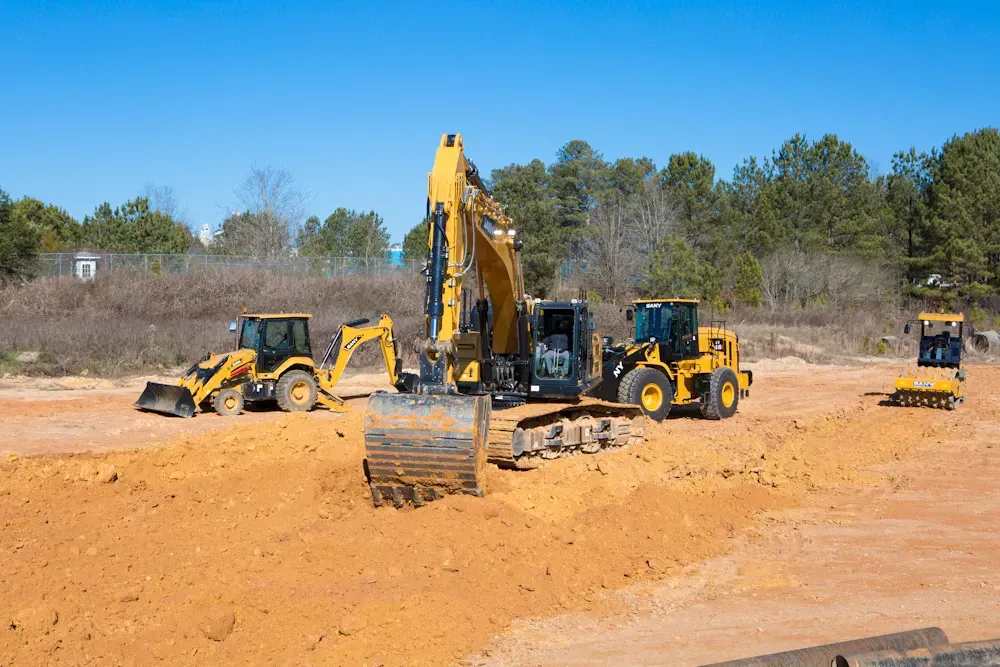
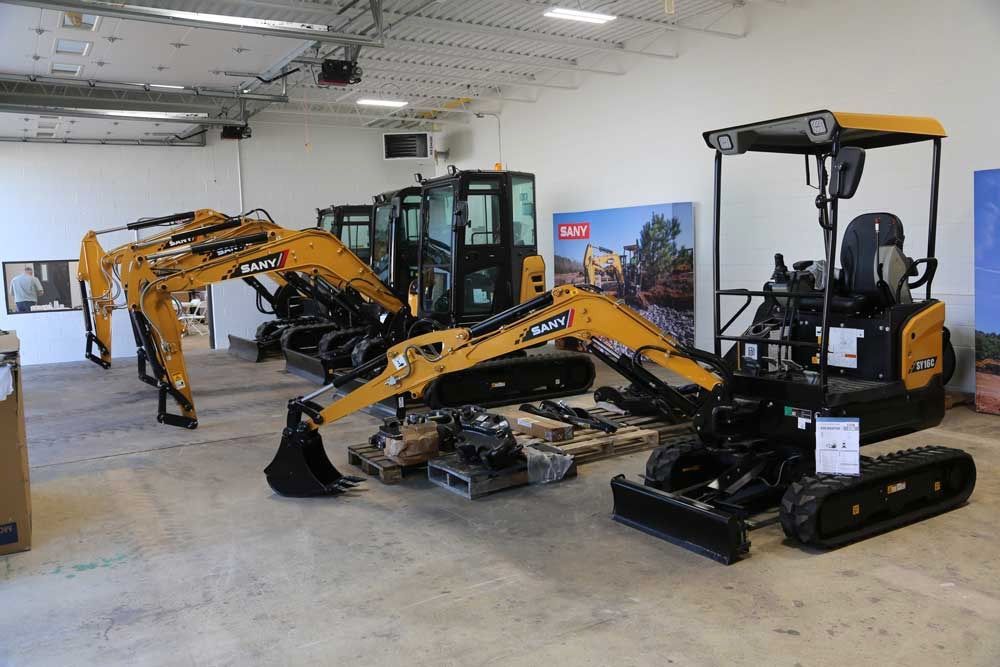
Mini and mid-size excavators earn their keep on farms because they fit into tight lanes and around barns. They’re great for cleaning ditches, fixing washouts, setting culverts, and trenching for water lines or electric runs.
Larger excavators come into play for pond dredging, deeper drainage, and big land work where reach and volume matter. When you’re pulling muck or shaping a long ditch line, extra reach saves time and reduces repositioning.
Quick couplers make a bigger difference than many buyers expect. Swapping between a trenching bucket and a wider ditch-cleaning bucket turns one excavator into a two-tool setup, without the wasted time.
Transport and ground pressure matter in NJ. A machine that’s easy to move between properties gets used more. And when the ground is wet, lower ground pressure can mean the difference between working and waiting.
Wheel loaders and telehandlers: moving material and handling pallets fast
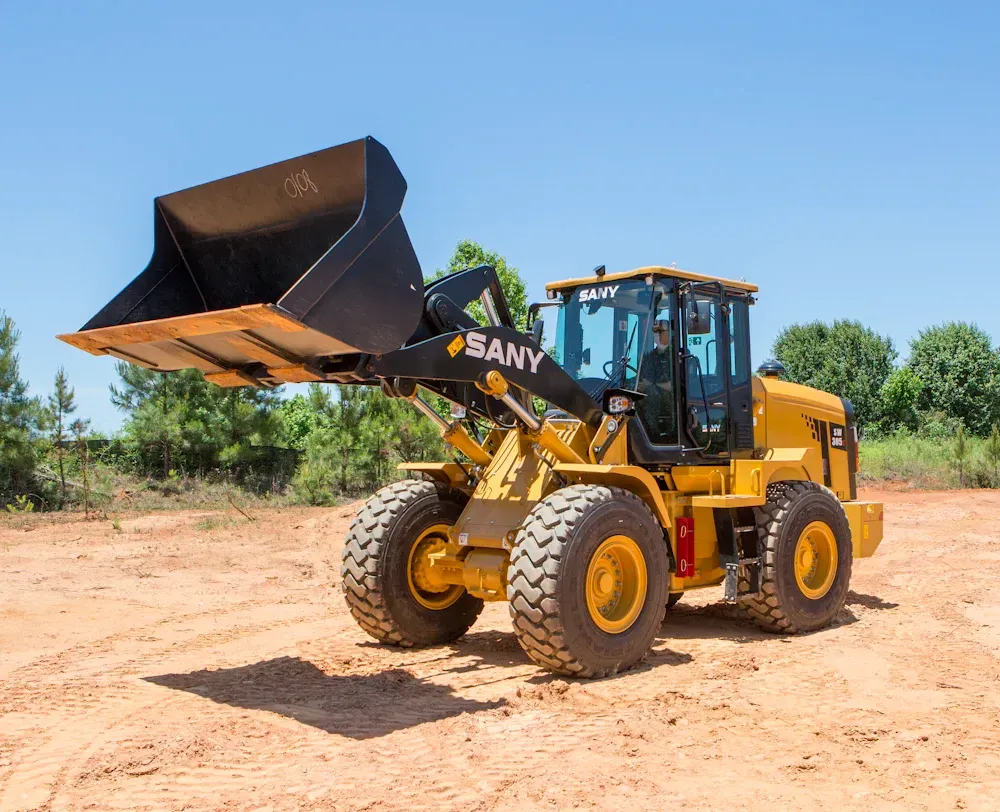
Wheel loaders are the bulk movers. They shine in stockyard-style work: loading trucks, moving piles, keeping material flowing, and staying productive for long stretches. If your day is mostly mulch, soil, stone, or compost, a loader keeps the pace up.
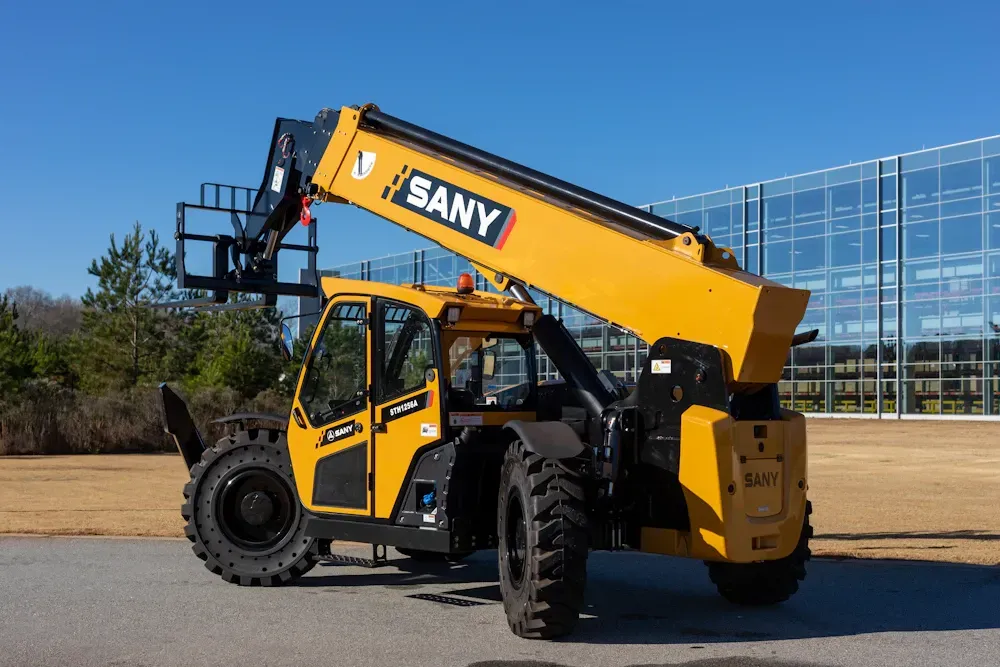
Telehandlers are about reach and placement. They lift pallets higher, reach over obstacles, and place materials where a loader can’t. They’re common around greenhouses, storage racks, barns, and supply yards where you need to set pallets instead of just moving piles.
Forks, buckets, and grapples are the common add-ons, and they change the whole feel of the machine. A grapple can make storm cleanup faster. Forks keep pallet work clean and predictable.
One safety note that’s worth repeating: lift charts aren’t paperwork. Uneven ground, a sloped lane, or a soft shoulder can turn a “safe” lift into a bad moment. Train to the chart, then plan the work so you don’t test it.
If you’re building a fleet plan and want to compare options, SANY Heavy Equipment Sales in New Jersey gives a clear view of categories like excavators, telehandlers, wheel loaders, and graders.
Backhoe loaders, skid steers, compact track loaders, and motor graders: the do-it-all support crew
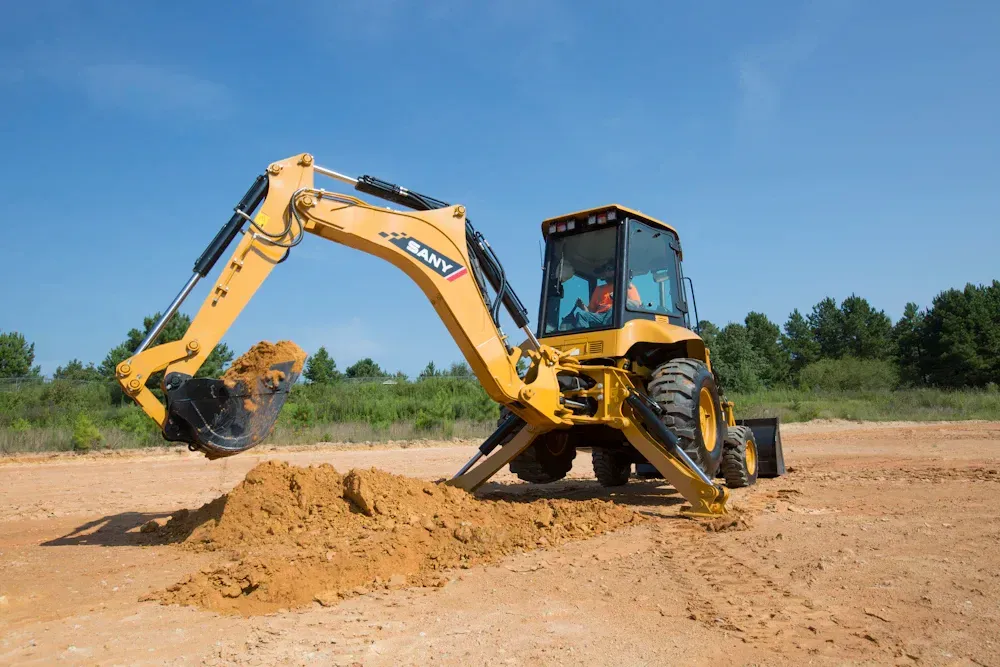
Backhoe loaders still make sense when you need one machine to dig and load without hauling two units. They fit well on mixed tasks, especially on properties where you’re trenching in the morning and moving material in the afternoon.
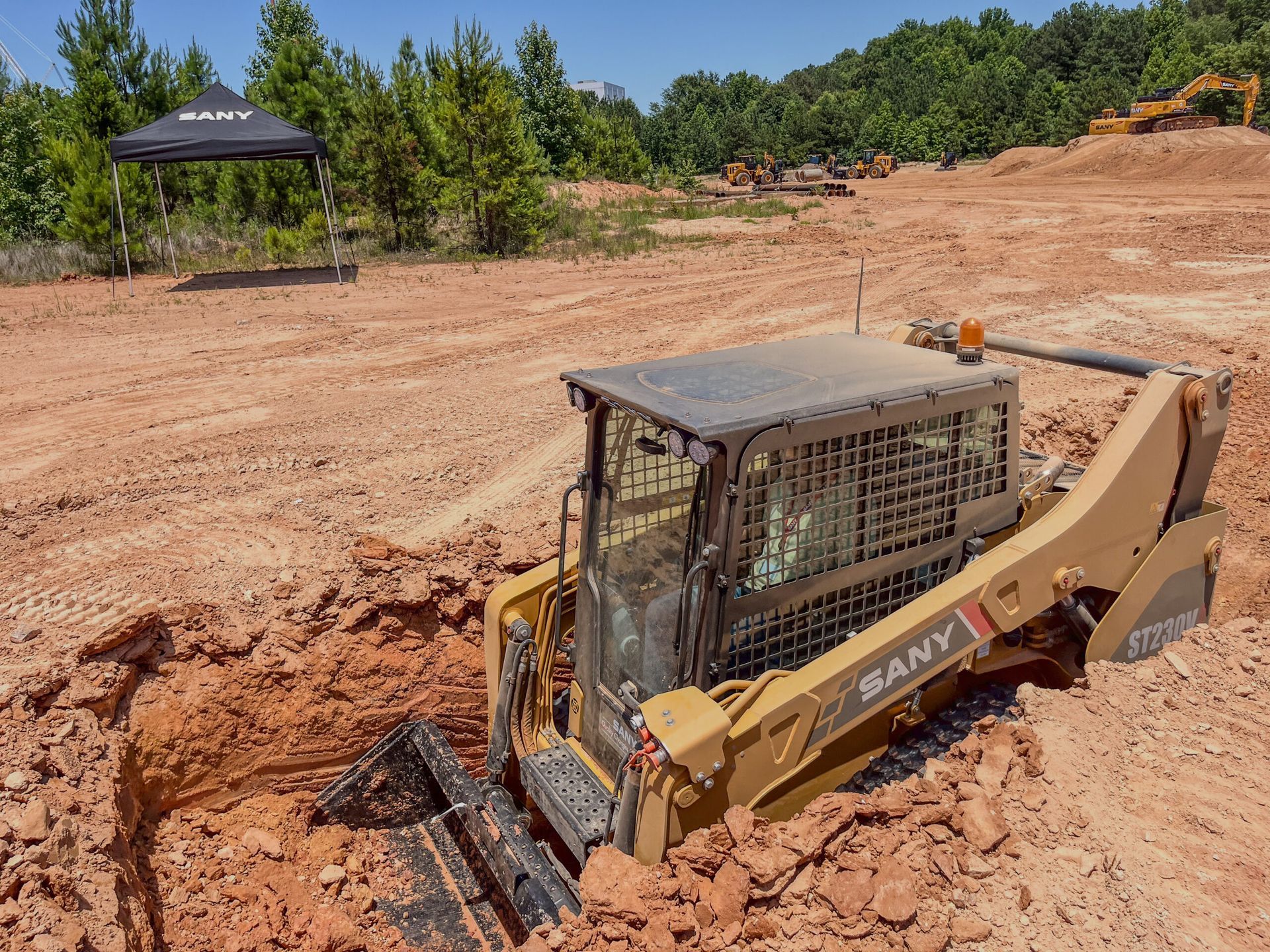
Skid steers and compact track loaders are the tight-space workhorses. They get into barns, between hoop houses, and along fence lines. They also handle messy material well, including manure, compost, and wet soil, as long as you spec the right tires or tracks.
Motor graders don’t show up on every farm, but when you have long lanes and steady truck traffic, a grader can pay for itself. A good crown and consistent drainage keep roads from turning into ruts. It’s like putting a roof on your road, water sheds off instead of soaking in.
Best attachment combos for farm work:
- Forks + bucket : pallet handling plus bulk material in one day
- Grapple + forks : storm debris, brush, and odd loads without fighting the pile
- Auger + bucket : holes for posts and footings, then quick backfill and cleanup
How to pick the right machine for New Jersey ground, weather, and work windows
NJ ground can change fast. Sand drains, clay holds water, and low spots stay soft longer than you want. Add coastal storms, winter freeze and thaw, and spring mud, and you get conditions that punish the wrong machine.
Use this section like a decision filter. The goal isn’t to buy the biggest machine, it’s to buy the machine you can actually use on your worst ground day.
- Soil and moisture
- Sandy ground may need stability and careful grading.
- Clay and wet fields may push you toward tracks or lighter ground pressure.
- Travel distance on site
- Long lanes and large properties favor machines built for travel and road maintenance.
- Tight nursery rows favor compact machines with good visibility.
- Lift needs
- Know your typical load weight and lift height, then size with margin.
- Don’t guess on pallets, weigh a “normal” load.
- Attachment needs
- Buckets, forks, grapples, and augers can replace a second machine in many cases.
- Confirm hydraulic flow and coupler compatibility before you buy.
- Transport and storage
- A machine that’s hard to move gets underused.
- Storage space matters, especially for attachments you want on hand.
- Operator skill
- A grader or telehandler rewards training.
- A simpler machine can be faster for a mixed crew.
- Service support
- Parts and service response times keep farms and food sites running.
- Ask about field service and how fast common parts can be sourced.
Heavy Equipment Financing and heavy equipment rentals in ny options belong in the same conversation as specs. If the work is seasonal, a rental can make sense. If the machine will work year-round, ownership with in-house financing can protect margins. A demo helps you feel cycle times, visibility, and how the machine behaves in your conditions. A “Tow and Show” is even better if you want to see it on your ground.
For buyers comparing payment paths while keeping cash flow stable, Flexible Financing for SANY Machines is a useful starting point for planning.
A simple buying checklist your crew can agree on
Bring this list to the yard, the farm, and the budget meeting. If your team agrees on these points, the machine choice gets a lot easier.
- Primary job (the work it will do most days)
- Secondary jobs (the work you can cover with attachments)
- Hours per year (realistic, not hopeful)
- Jobsite access width (gates, lanes, barn doors)
- Typical loads (weight, size, and how often you lift them)
- Lift height (trailers, racks, barn lofts, stack height)
- Towing and hauling limits (truck and trailer capacity, permits)
- Must-have attachments (forks, buckets, grapple, auger, grading blade)
Match machine size to the worst ground day, not the best one. If it only works when it’s dry, it’s not really working for New Jersey.
Conclusion
Food and agriculture being New Jersey’s third largest industry isn’t a trivia fact, it’s a reminder that the state runs on working land, tight schedules, and reliable logistics. Heavy equipment supports that system, from ditch work and road maintenance to pallet handling and storm cleanup. When you choose the right machine for NJ ground and seasonal windows, you save time, protect margins, and keep crews moving.
Call 609-546-3799 to speak with SANY to learn more about our machines or fill out this form to book a demo.
Come in for a heavy machinery demo, book a tow and show, call sales or rental, call for parts or service, in-house financing available.
5 Years / 5000 hours
Warranty on SANY
Heavy Machinery Sales
Get the right heavy machinery for your next project. Serving New Jersey, Southeastern Pennsylvania, Greater Philadelphia, NY (boroughs & LI).
Heavy Equipment Rental NJ
Reliable Machines. Fast Turnaround. Local
Support You Can Depend On.
SHARE THIS
Latest Posts