2026 Landscaping Trends: What’s Changing and What Crews Need
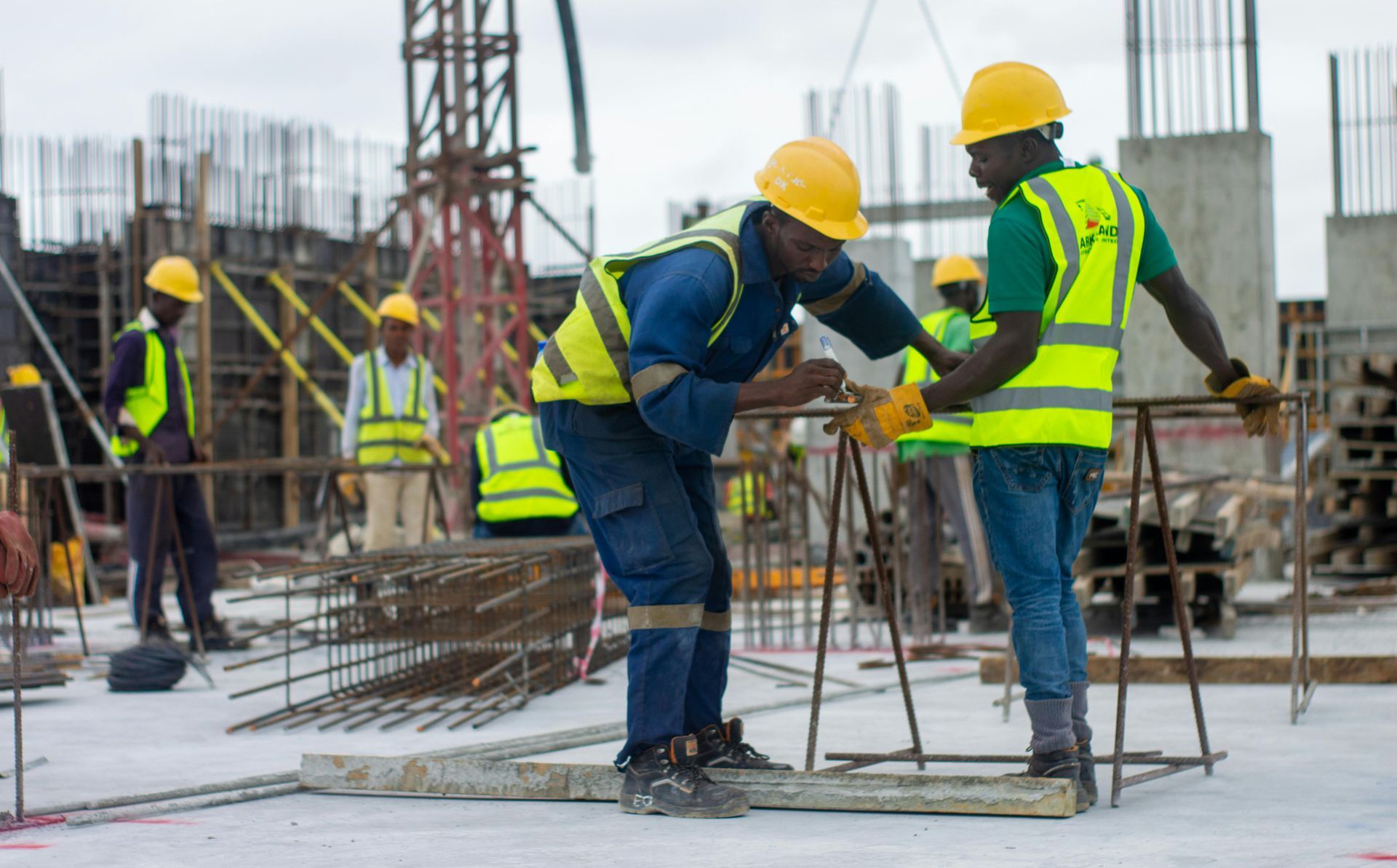
January 2026 feels like a new season for contractors. Labor still costs more, schedules are tighter, and customers expect a clean finish with fewer return trips. Add weather swings and heavier rain events, and it’s easy to see why landscaping trends aren’t just design talk anymore, they change how you staff, bid, and choose equipment.
Call 609-546-3799 to speak with SANY to learn more about our machines or fill out this form to book a demo. If your work includes tight access and trenching, it also helps to compare options like compact excavators for tight job sites before the spring rush hits.
Across the greater Northeast - PA, NJ and NYC/Long Island area - the biggest landscape trends right now tie back to four things: water, low-maintenance installs, native plants or gardens, and safer, faster production. Below is what’s driving the trends in landscaping industry work, what crews are installing more of, and which machines fit the jobs.
What’s driving the biggest landscaping industry trends right now
A lot of landscaping industry trends come down to pressure, on budgets, on labor, and on timelines. Customers want results fast, and they want the jobsite to look clean when you leave. At the same time, crews are getting pulled into more drainage fixes and more repeat service work.
Here’s what’s pushing the trends in landscaping industry planning and production:
- Labor stays tight : You end up building bids around smaller crews, more machine hours, and fewer hand tasks.
- Demand for clean installs : More time goes into access protection, material staging, and tidy spoils management.
- Faster turnarounds : Mobilization and trailer planning matter more, especially when you have multiple short jobs.
- More stormwater work after heavy rain : Drainage add-ons expand scope, which increases digging, backfill, and haul-off.
- Tighter water rules and higher water costs : Irrigation retrofits and smarter plant plans show up on more proposals.
- Material pricing swings : You plan for substitutions and tighter ordering windows so you’re not stuck waiting on block or stone.
- More service contracts, fewer one-off installs : Crews need equipment that can move between sites quickly without a long setup.
These drivers change how you build production rates. A one-day patio becomes a two-day patio if access is tight and you’re wheelbarrowing base. A “simple” planting refresh becomes a re-grade with drainage once water shows up near the foundation.
Clients want outdoor spaces that look good but don’t need babysitting
One of the clearest landscaping trends is that customers still want a sharp look, but they don’t want fussy beds that need weekly attention. That pushes installs toward structure and durability.
You’ll see more requests for low-maintenance choices like:
Defined bed lines with solid edging, fewer curves, fewer tiny pockets that are hard to mulch. Weed barriers in the right spots (installed flat, pinned well, covered properly) so they don’t pop up. Planting plans that use fewer varieties but repeat them in clean groups. Hardscape that doesn’t chip easily and holds up to freeze and thaw.
For contractors, that means the “pretty part” is only the last step. More of the job is now prep work: stripping, base building, compaction, and fine grading. If that prep is rushed, you pay for it later with settling, puddles, and uneven edges that customers notice the second it rains.
Stormwater and drainage fixes are becoming a normal add-on
Drainage used to be a special call. Now it shows up as a standard add-on, especially after a wet season when yards stay soft and basements get damp.
Common requests include downspout tie-ins, swales, dry wells, French drains, re-grading, and replacing failed pipe. Sometimes it’s a simple fix. Other times you uncover crushed corrugated pipe, wrong slope, or a discharge point that never should’ve been there.
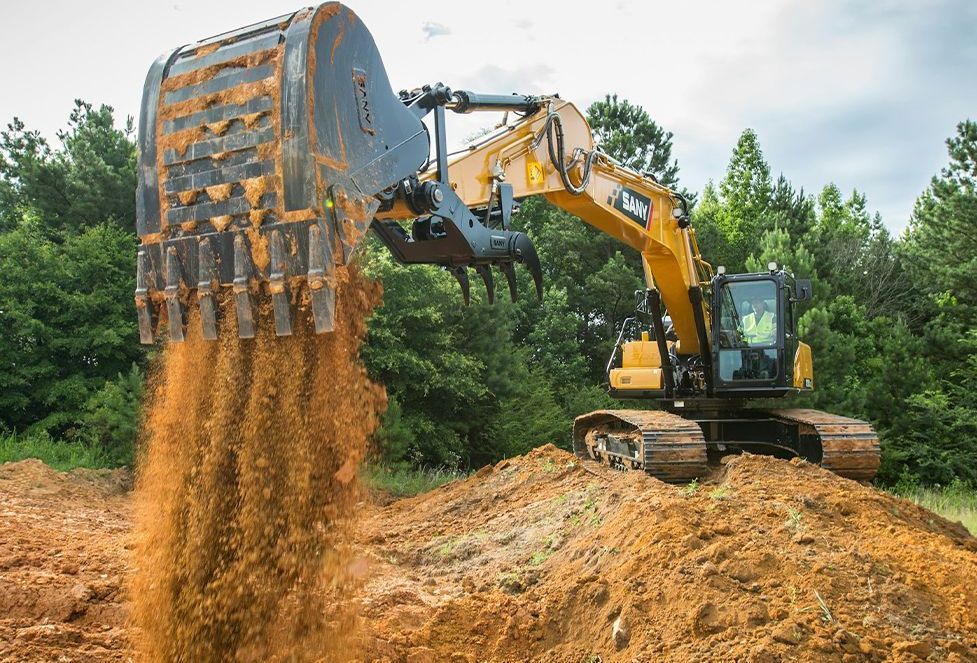
Drainage work changes bid scope fast. You’re not only digging a trench, you’re also dealing with spoils, clean stone, fabric, pipe fittings, and a finish grade that sheds water the right way. Speed matters, but so does clean backfill . Poor compaction or sloppy bedding leads to sink lines and callbacks that crush margin.
Landscape trends on the ground, what crews are installing more of
If you’re trying to forecast where demand is going, look at what customers keep approving even when budgets are tight. These landscape trends show up again and again because they solve real problems: mud, wasted water, messy edges, and outdoor spaces that don’t get used.
Here are the big ones contractors are installing more of, and what each one changes on the job:
- Drainage improvements bundled into upgrades : More trenching, more stone staging, more haul-off planning.
- Defined hard edges (metal edging, concrete curb, soldier courses): More layout time and tighter grade control.
- Stone and mulch refresh with fabric fixes : Less “spread and go,” more cleanup and reset of old layers.
- Small machine-friendly builds (tight backyards, narrow side yards): Access protection becomes a line item, and compact equipment becomes the difference between profit and pain.
- Outdoor living features (patios, seat walls, fire features): Base depth, compaction passes, and material handling drive production.
- Simpler planting with better soil prep : More time on bed prep and soil improvement, less time fussing with high-maintenance plants.
These trends also affect tools and site flow. You need clear drop zones, a plan for keeping pallets dry, and a way to move materials without beating up lawns. If access is limited, your whole production plan changes, including what you can realistically carry by hand.
Smarter water use, drip lines, rain capture, and drought-tough plant plans
Water is now a main character in landscaping industry trends . Customers might not say “water efficiency,” but they do say, “I’m tired of brown spots,” or “I’m not paying to water the street.”
More jobs include irrigation tune-ups and retrofits: pressure checks, fixing leaks, converting spray zones to drip where it makes sense, and splitting zones so sun and shade areas aren’t fighting each other. Rain barrels and small cistern setups come up too, mostly for beds and planters, not full-yard coverage.
Soil work is part of this trend. Better soil structure and organics help water stay put longer, which reduces how often systems run.
A quick warning from the field: cutting corners on drip installs causes most of the headaches. Clogged emitters, shallow trenching that gets nicked later, and backfill that settles and exposes line all lead to service calls. If you’re trenching for irrigation, straight lines, clean bedding, and solid backfill are what keep it trouble-free.
More hardscapes and outdoor living, patios, walkways, seat walls, fire features
Hardscape continues to grow because it’s predictable and usable. A patio doesn’t need mowing, and customers can see the value right away.
From an operations view, these jobs are mostly base work and material handling. You excavate, haul out, bring in aggregate, compact in lifts, and set grades so water runs off the surface the right way. Then you move pallets, cut, place, and restrain edges.
Tight residential access is where production lives or dies. If you can’t get material in and out efficiently, labor explodes.
Callbacks usually come from a few repeat mistakes:
Poor base depth that settles later, grade pitch that leaves puddles near doors, and weak edge restraint that lets pavers walk over time. When crews treat base work like “hidden work,” customers still pay for it, just later, when the surface fails.
What heavy machinery best fits today’s landscaping trends
If you’re trying to match equipment to today’s landscaping trends , start with three questions: What work do you do most, how tight is access, and how often do you need to move the machine?
Think in use cases, not spec sheets. A smaller machine that shows up every day and fits through gates can beat a larger unit that sits because it’s hard to mobilize. For material work, the right loader can save a crew from burning hours on wheelbarrows.
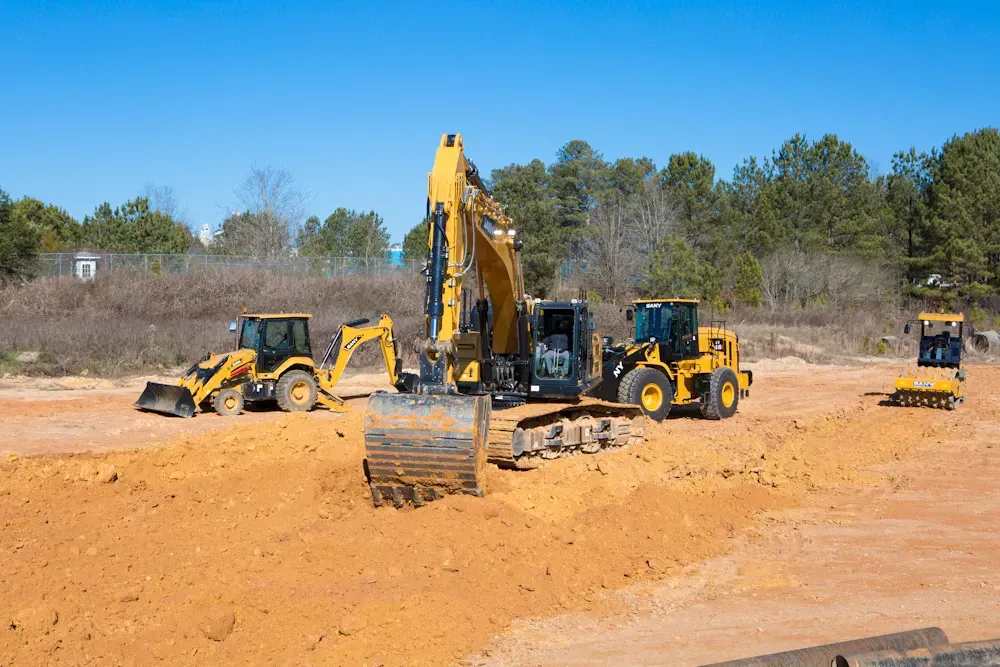
Below are the common machine types that line up with current demand. For crews that move a lot of material, it’s worth comparing options like wheel loader sales and rentals so you can match bucket, forks, and site space to how you actually work.
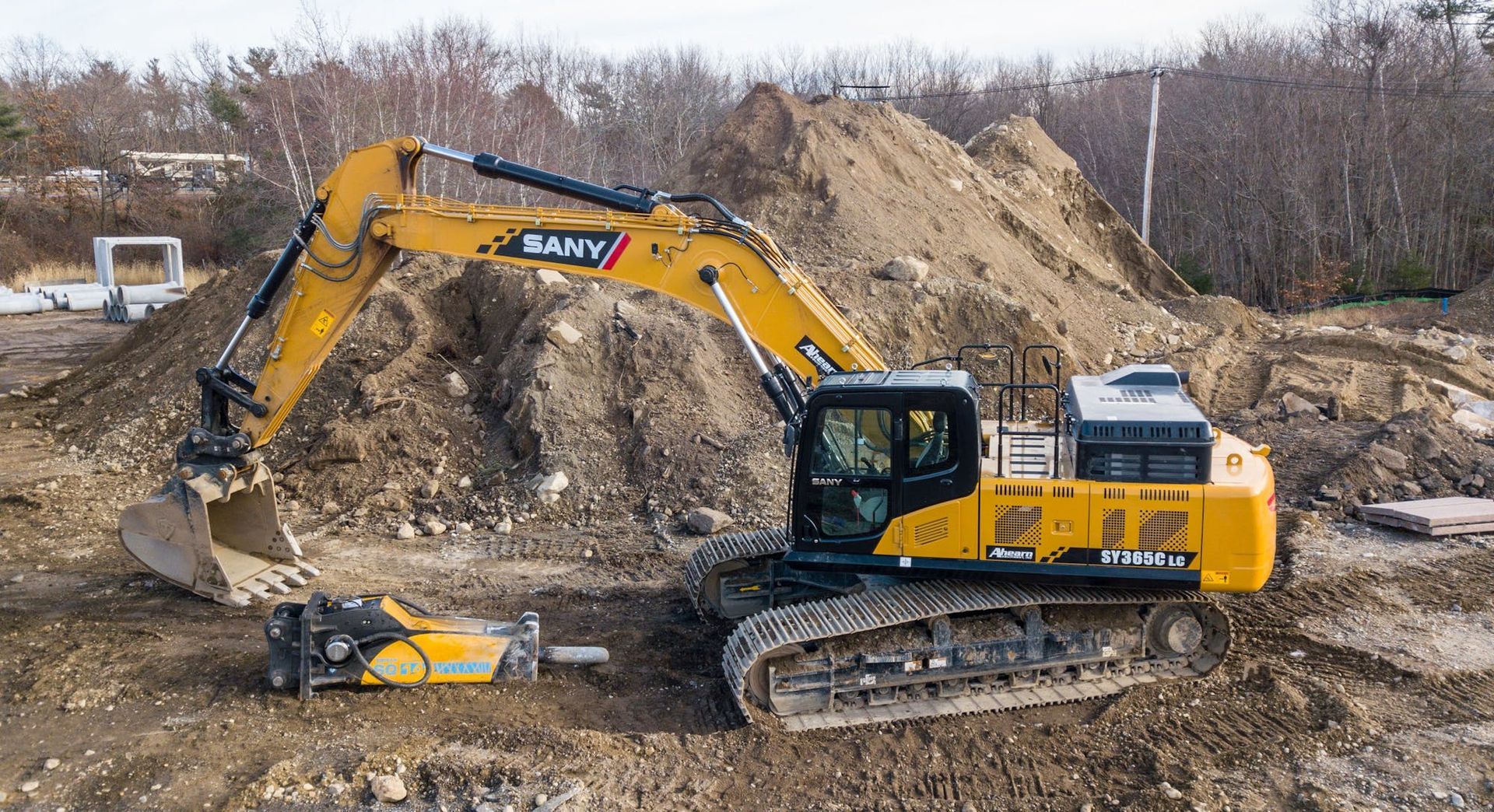
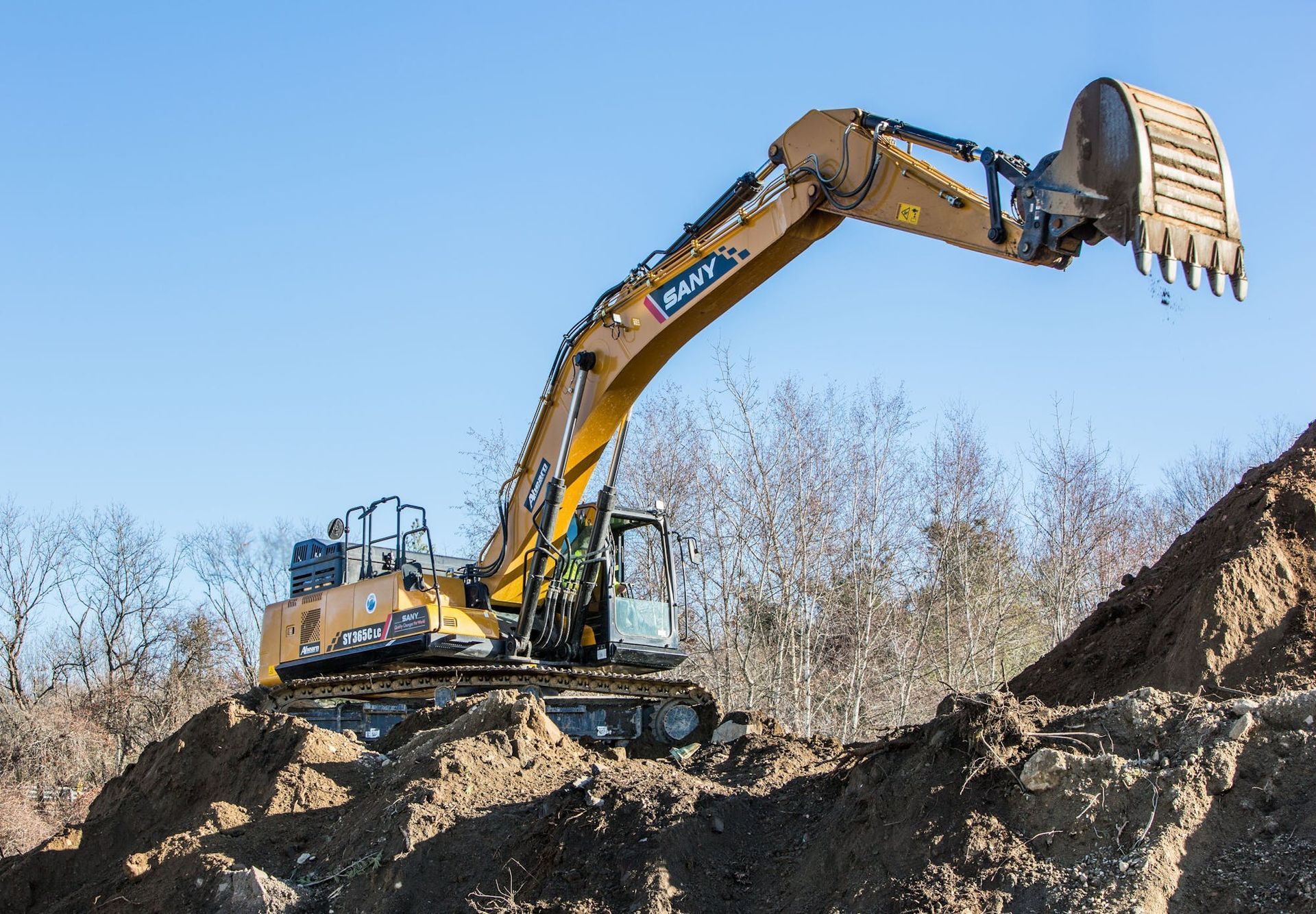
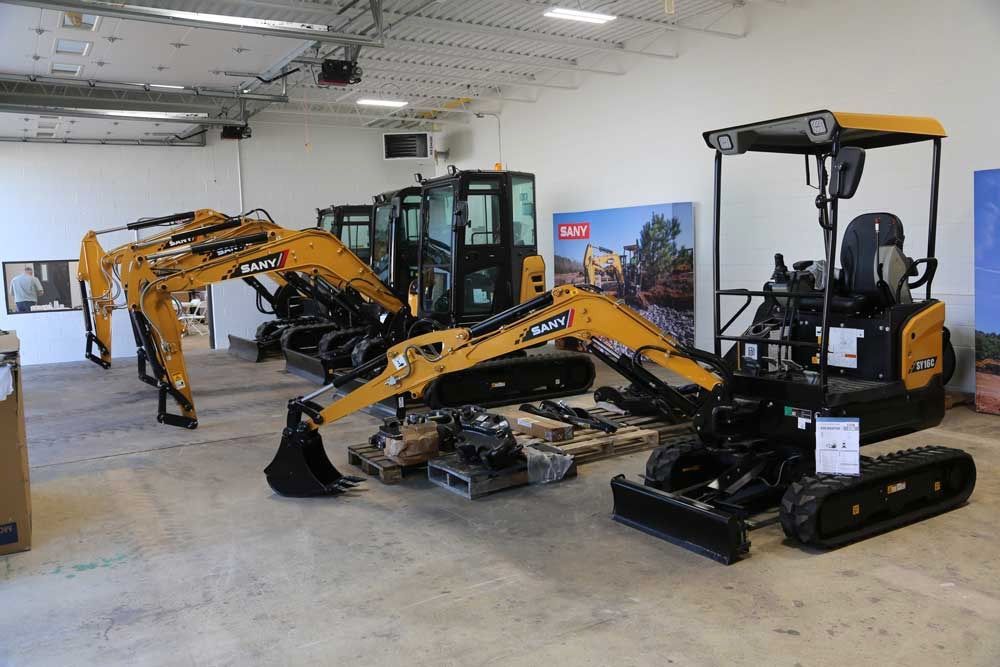
Mini and compact excavators for trenching, drainage, and tight backyards
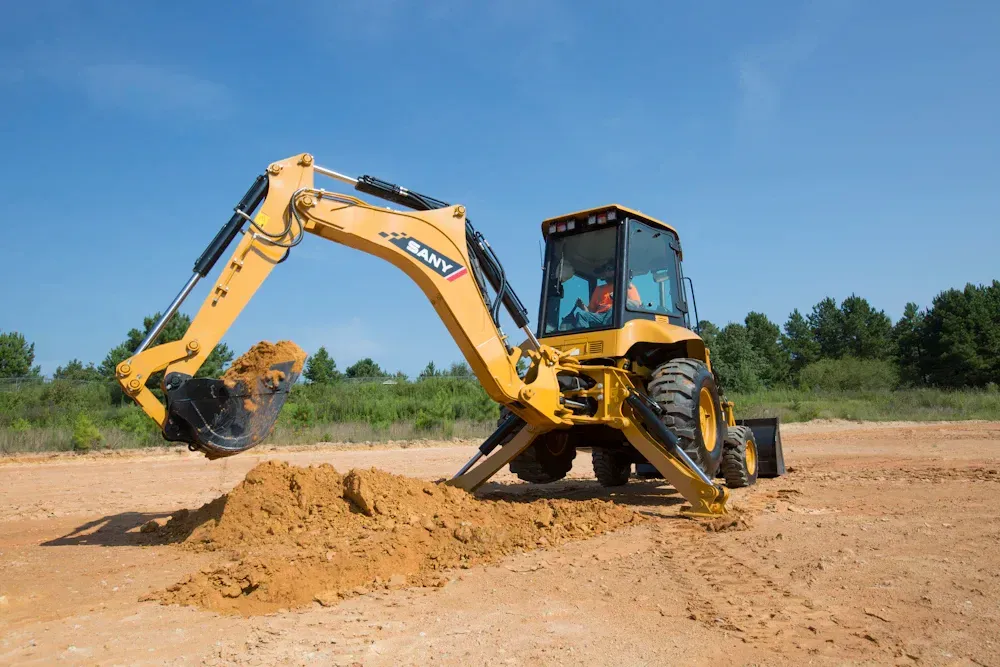
Mini and compact excavators fit a big slice of trends in landscaping industry work: irrigation trenching, French drains, downspout tie-ins, and small re-grades. They also help with stump pulling, setting boulders, and digging footings for steps or small walls. Plus, these affordable machines make the buy profitable.
Rubber tracks matter when lawns are part of the finished product. A quick coupler also matters when you’re bouncing between trenching and cleanup.
Common attachments that earn their keep include a trenching bucket, a wider grading bucket for shaping, a hydraulic thumb for debris and rocks, and an auger for posts or planting holes.
A simple checklist for picking the right size:
- Access : Will it fit through the gate without removing panels?
- Transport : Can your current trailer and truck handle it safely?
- Depth and reach : Do you routinely need deeper trenches, or is most work shallow and spread out?
- Daily hours : Is this a core machine that runs all day, or a helper that fills gaps?
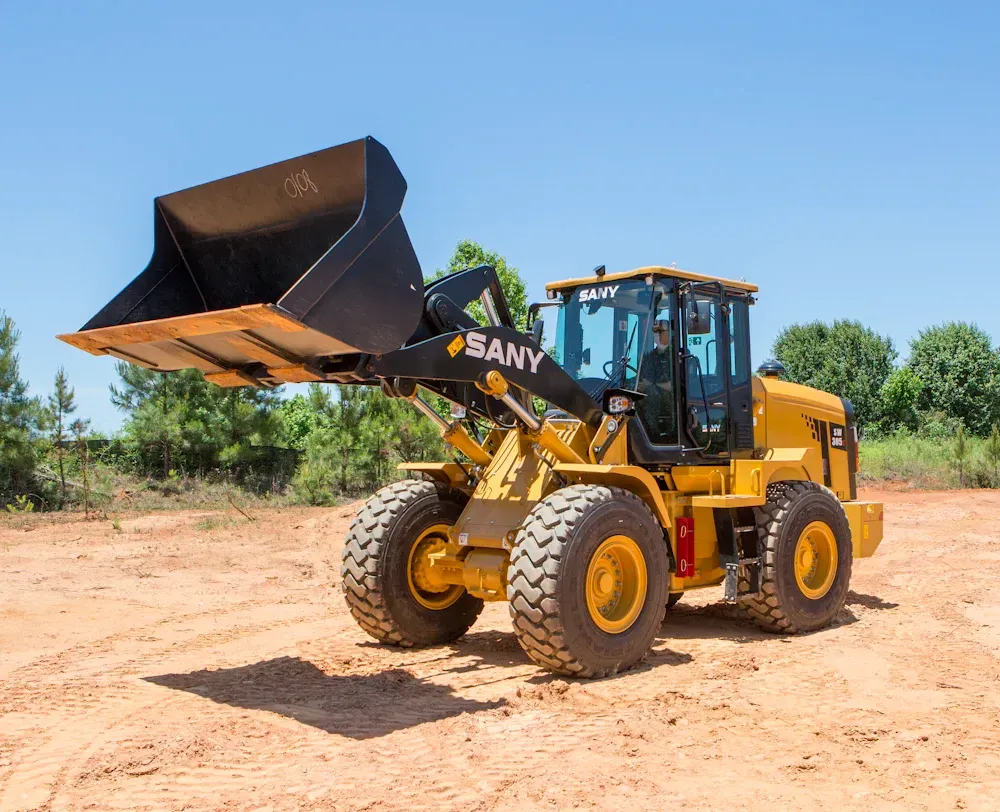
Wheel loaders and compact loaders for material handling and faster base work
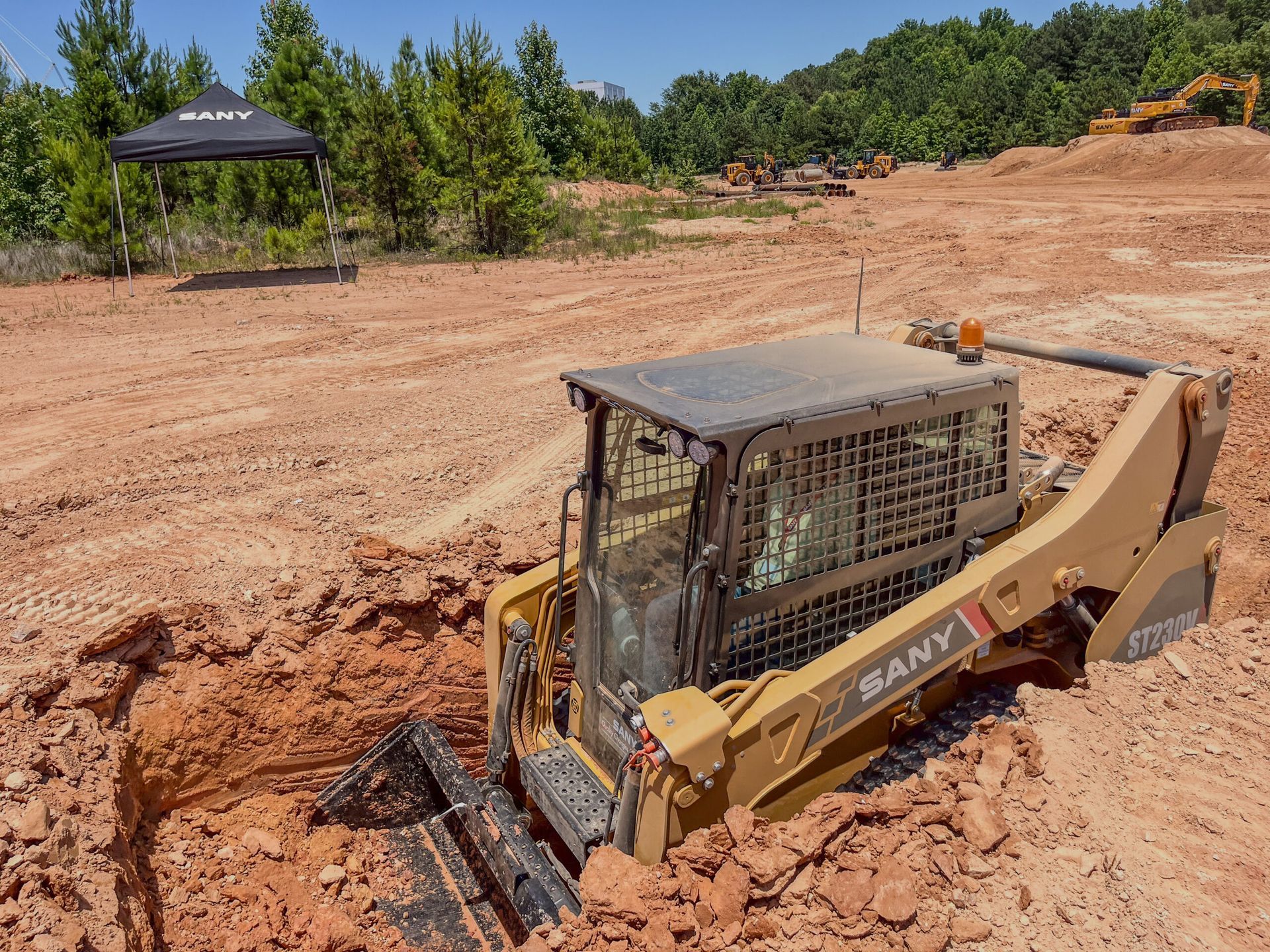
When labor is expensive, a loader is often the cheapest “extra crew member” you can add. It moves base stone, soil, and pallets, loads trucks, and keeps installers installing.
Loaders also help with spreading base and rough shaping before final compaction. Even if you still finish by hand, you’re not spending prime hours on shoveling and pushing carts.
Forks, buckets, and grapples cover most needs: forks for block and pavers, a bucket for aggregate and soil, and a grapple for brush and demo debris.
Keep safety tight. Set travel paths, keep ground guides visible, and use a spotter when backing or working near cars, fences, or foot traffic. Most close calls happen during short moves, not big lifts.
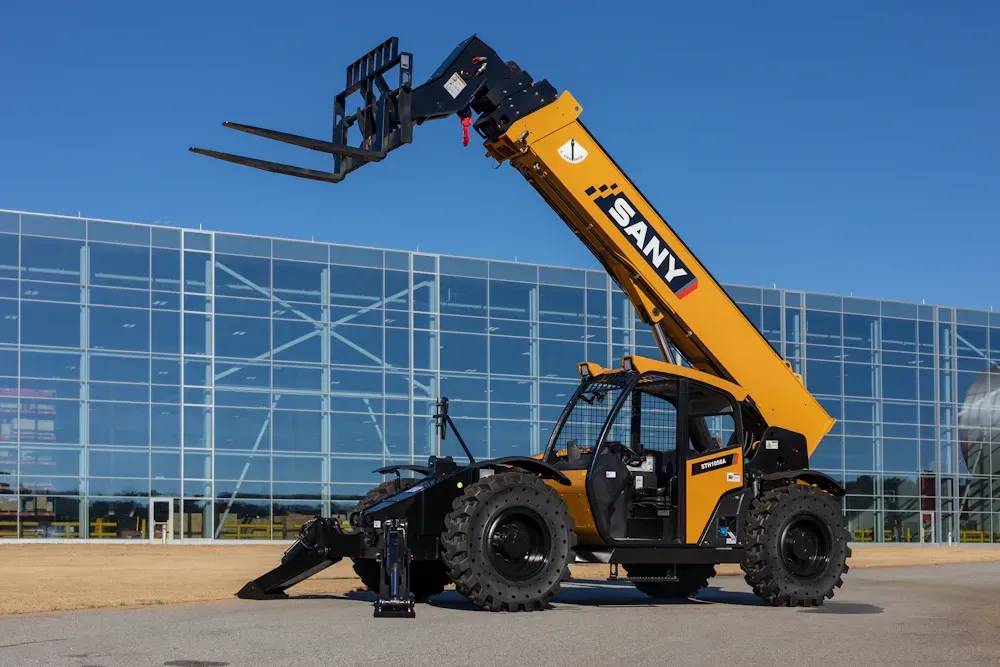
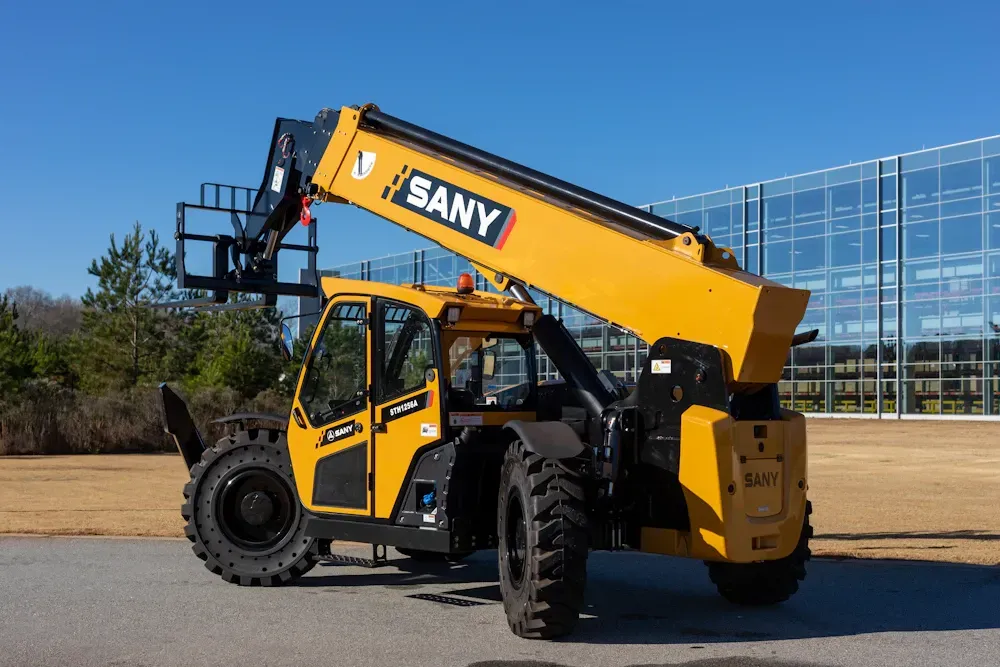
Telehandlers for placing pallets, block, and features without overworking crews
Telehandlers show up more as outdoor living installs get heavier. Pallets of pavers, wall block, outdoor kitchen components, and even large feature stones can be placed without dragging a crew into risky manual handling.
The basics still apply: plan lifts on stable ground, use the right attachment, follow load charts, and keep trained operators on the controls. Soft lawns and wet soil can turn into a problem fast, so ground conditions should be part of the plan, not an afterthought.
How to turn trends into smarter bids, less rework, and better margins
It’s one thing to notice landscaping industry trends . It’s another thing to make money on them. The win is simple: bid the work the way it will actually run, with the right equipment scheduled at the right time.
A practical process that holds up in the field:
- Scope the “hidden work” first : Mark grades, spoils, haul-off routes, and access protection before you price the visible finish.
- Build production around constraints : Tight gates, parked cars, HOA rules, noise limits, and rainy weeks all change output.
- Schedule equipment like a crew member : Assign machine days, delivery windows, and attachment needs so you’re not paying operators to wait.
- Protect margin with clean line items : Haul-off, disposal fees, access mats, compaction passes, and final cleanup should not be “included.”
- Plan for the next job : If the work is seasonal or spiky, don’t force ownership. Use SANY Heavy Equipment Rentals to cover peaks, specialty jobs, or a surprise drainage week.
Maintenance readiness matters too. A down machine can wipe out a week of profits when crews are stacked and customers are watching. Keep basic wear items and habits tight: daily walkarounds, grease points, track and tire checks, and clean filters. If you need support to keep uptime high, having a strong warranty and a relationship with your dealer that handles heavy equipment repair services helps when the calendar is packed.
Bid with production in mind, not best-case guesses
Most rework comes from optimistic assumptions. The job doesn’t go like the sunny-day plan, and now you’re doing cleanup and fixes for free.
Build estimates around how crews truly perform:
Trench production changes when you have roots, tight corners, and hand cleanup at crossings. Base work changes when the dump location is far from the install area. Compaction changes when you’re working around existing utilities or wet soil.
It also helps to break out tasks that often get skipped in pricing: protecting asphalt and concrete, staging pallets so they don’t block access, managing spoils so you aren’t moving them twice, and restoring lawn edges after equipment travel. Those aren’t “extra.” They’re part of delivering a clean job.
Rent, buy, or rent-to-own, a simple way to decide
This decision gets easier when you look at repeatability.
Renting usually fits when you have season spikes, one-off drainage projects, or a short window where speed matters more than ownership cost. Buying makes sense when the same type of work repeats week after week, and you can keep utilization consistent.
Rent-to-own or financing can fit when you have the work, but you want to protect cash flow. In-house financing may be available, depending on the deal and the machine. If you’re on the fence, call sales or rental and talk through the work you’re doing now, plus what’s in your pipeline. It’s easier to pick the right iron when you start with the jobs, not the brochure.
Conclusion
The landscaping trends shaping 2026 aren’t complicated, but they do change how you plan jobs. The contractors who adjust early tend to spend less time on rework and more time finishing.
- Demand drivers : labor pressure, tighter timelines, and more drainage after storms.
- Growing installs : smarter water use, low-maintenance layouts, and hardscape-focused outdoor living.
- Equipment impact : compact digging and smart material handling help crews finish faster and cut callbacks.
- Operations win : bids that include access, base work, and cleanup protect margin.
Call 609-546-3799 to speak with SANY to learn more about our machines or fill out this form to book a demo. If you want to come in for a heavy machinery demo or book a tow and show, just ask. You can also call for parts or service support, and ask about in-house financing options.
Recent Posts