Commercial Construction Growth: PA, NJ & NYC
Bids are stacking up, schedules are getting tighter, and site work is starting earlier than it used to. Across Pennsylvania, New Jersey, and NYC, crews are seeing more ground breakings, more renovations, and more public work that has to happen while everything stays open and moving.
That’s commercial construction growth in plain terms: more projects starting, more square footage getting built or re-worked, and more public and private dollars going into offices, hospitals, warehouses, schools, utilities, and mixed-use corridors. If you manage crews or a fleet, the big question isn’t whether work is out there, it’s whether you can staff it and keep iron running.
If you need backup machines fast, start by lining up options through fast approval on sales and heavy equipment rentals. Call 609-546-3799 to speak with SANY to learn more about our machines or fill out this form to book a demo.
Here’s what you’ll get from this breakdown:
- Where the hottest project activity is likely to show up in 2026
- The types of commercial jobs that drive early earthwork and material handling
- The equipment categories that get booked first when schedules compress
- Simple signals you can watch to prep 60 to 120 days ahead
Summary of US commercial construction growth in 2026
Nationally, 2026 looks like a year of uneven but real commercial construction momentum. Some sectors stay cautious, but work keeps coming in waves, especially where logistics, healthcare, and public upgrades overlap. A lot of owners are choosing targeted builds and heavy renovations instead of “blank check” new campuses, which still creates plenty of dirt work and material movement.
For contractors, the practical takeaway is simple: expect more short-notice starts and more phased work. One site might need mass grading and stormwater now, then pause, then push hard again when steel dates lock. Fleets that can shift between excavation, loading, lifting, and site cleanup without losing days tend to win more of the schedule fights.
Pennsylvania in 2026, where commercial construction growth is coming from
Pennsylvania’s commercial construction growth in 2026 is tied to a mix of steady metro demand and infrastructure-driven work that doesn’t wait for perfect market conditions. In many areas, you’ll see consistent permit activity in and around major population centers, plus more industrial space planned near interstates and freight nodes. Even when a project is “private,” it often relies on public upgrades nearby, think road tie-ins, water, sewer, and power.
From a jobsite view, that means two things. First, early work matters more than ever, because owners want pads, access, and utilities ready before long-lead items arrive. Second, logistics is half the battle. Staging areas, haul routes, and truck cycles get tighter when sites sit near active roads or built-up neighborhoods.
If you’re planning crews and machines, assume you’ll bounce between mass earthmoving and detail work on the same project. A warehouse might start with big cuts and fills, then shift quickly to fine grading, curb lines, and stormwater structures. Utility-heavy jobs can also force awkward sequencing, trench a run, backfill and compact, then re-open the same zone for another trade.
What this means on the jobsite:
- Grading and re-grading as pads and access roads get adjusted to real field conditions
- Trenching for water, sewer, electric, and communications, often on tight windows
- Loading out soil, demolition debris, and import stone, with truck turn times watched closely
- Lifting and placing pipe, vaults, and site materials as crews try to keep momentum
- Snow and site maintenance to keep deliveries and inspections on track through winter
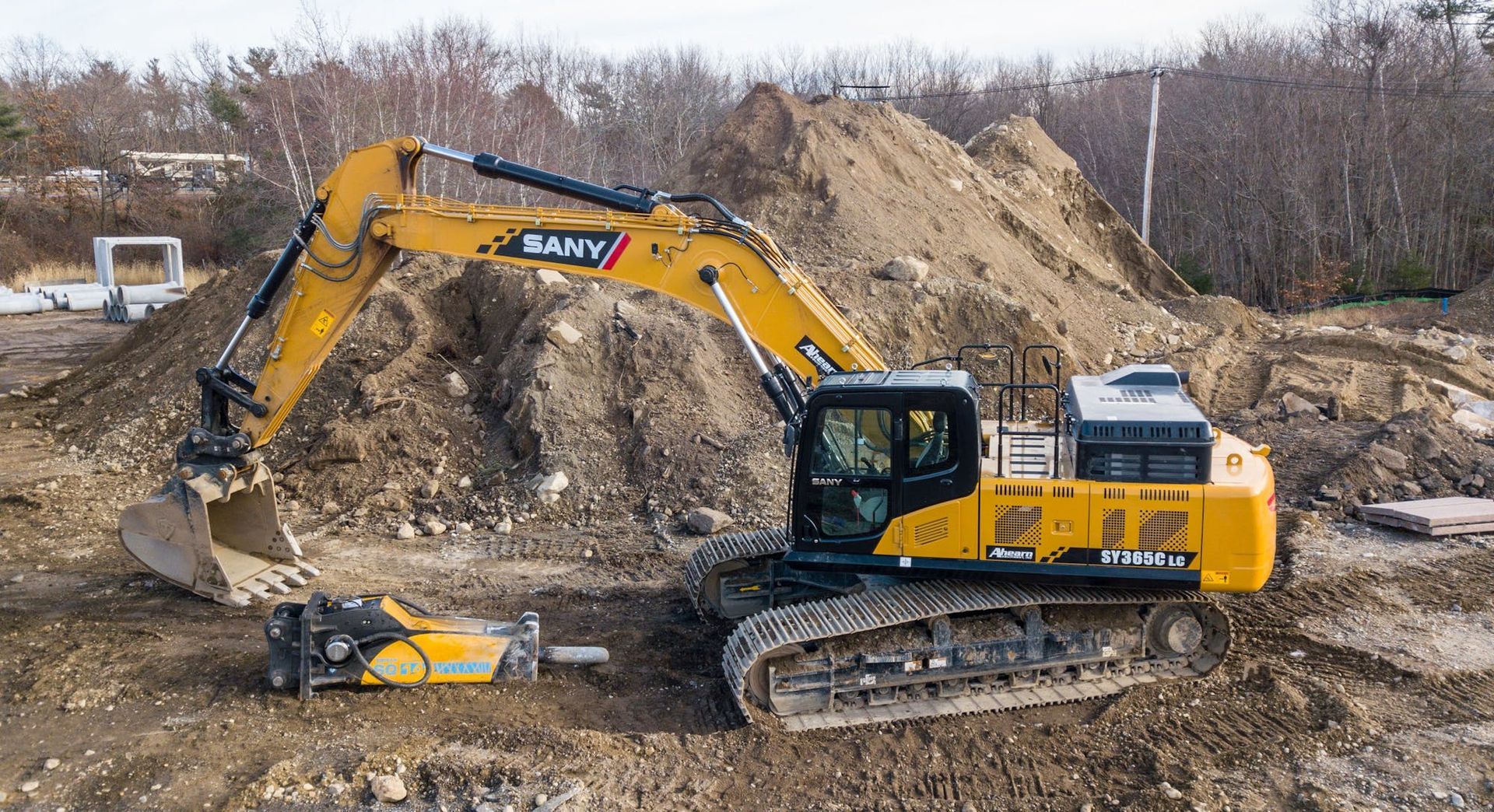
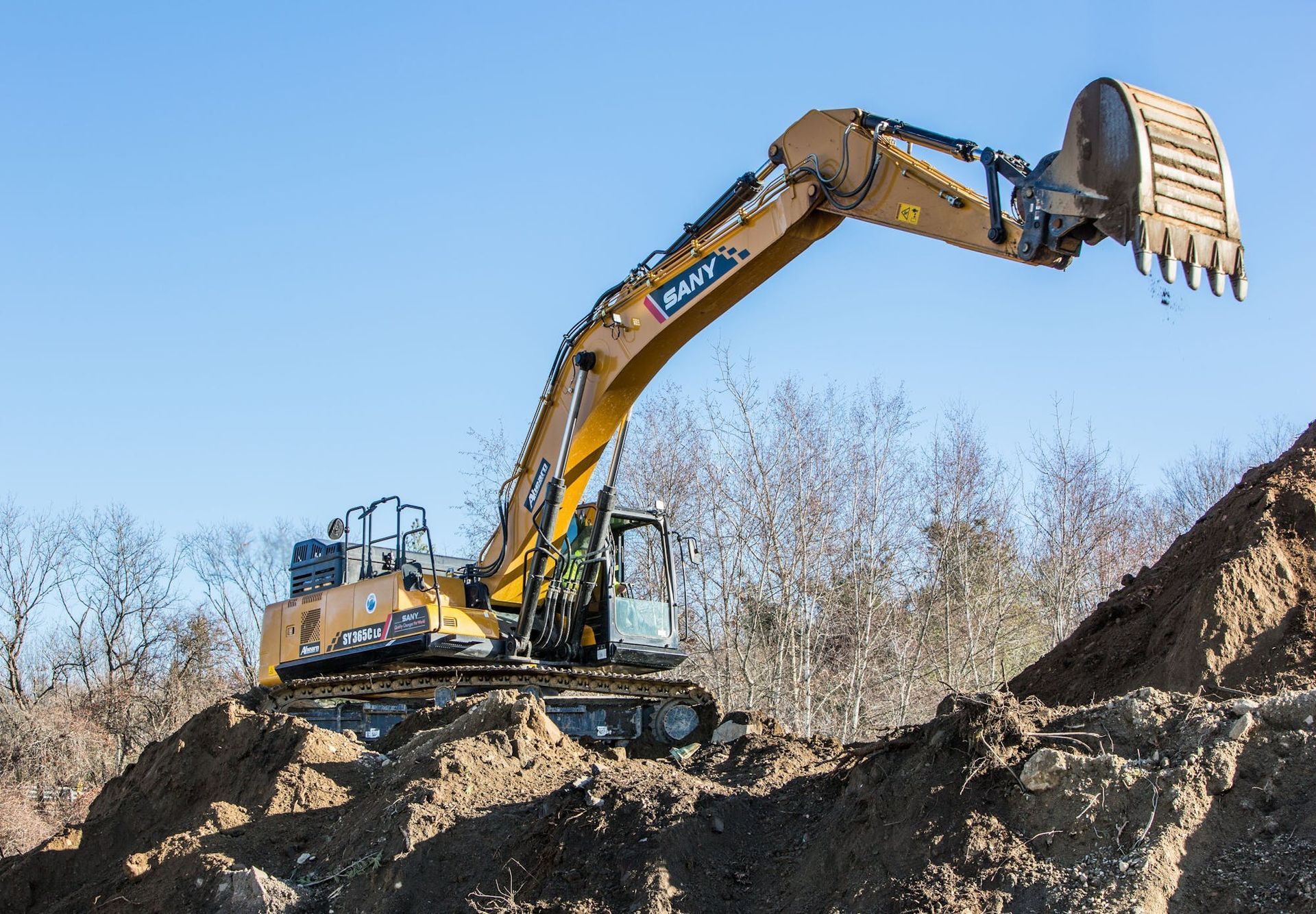
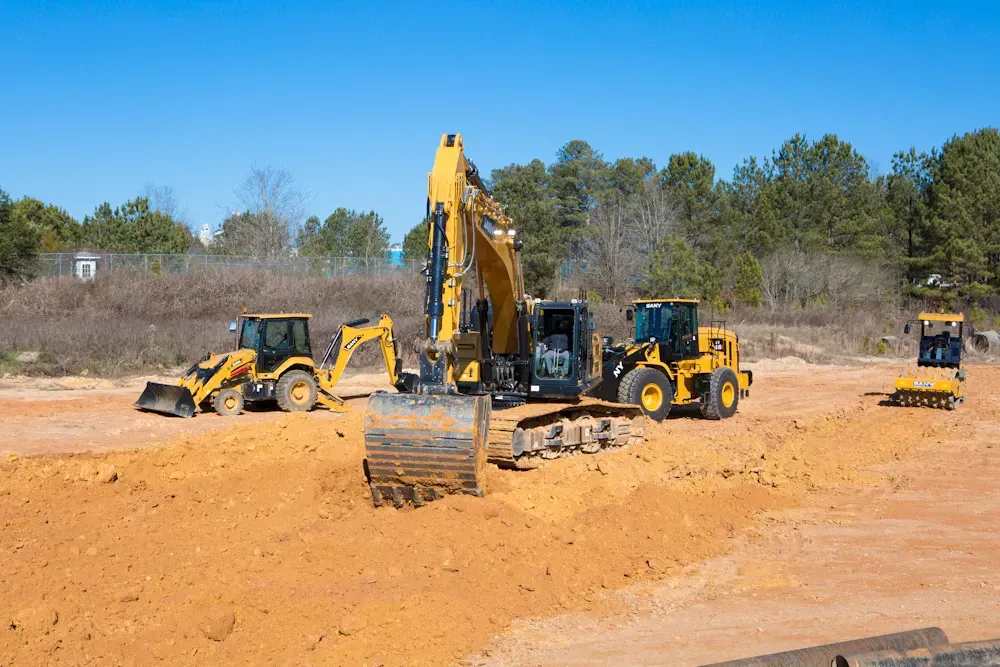
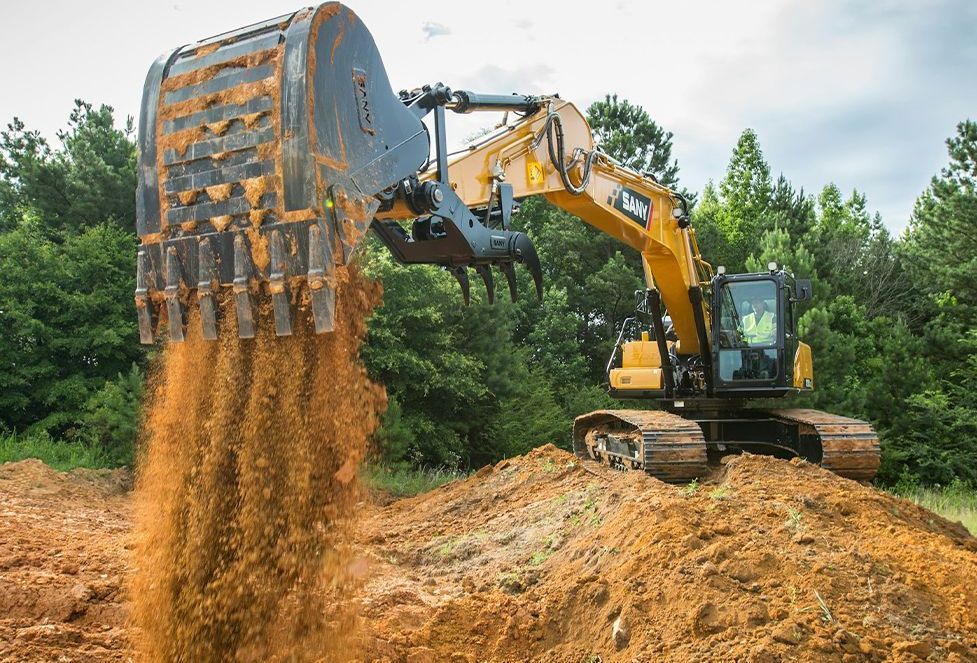
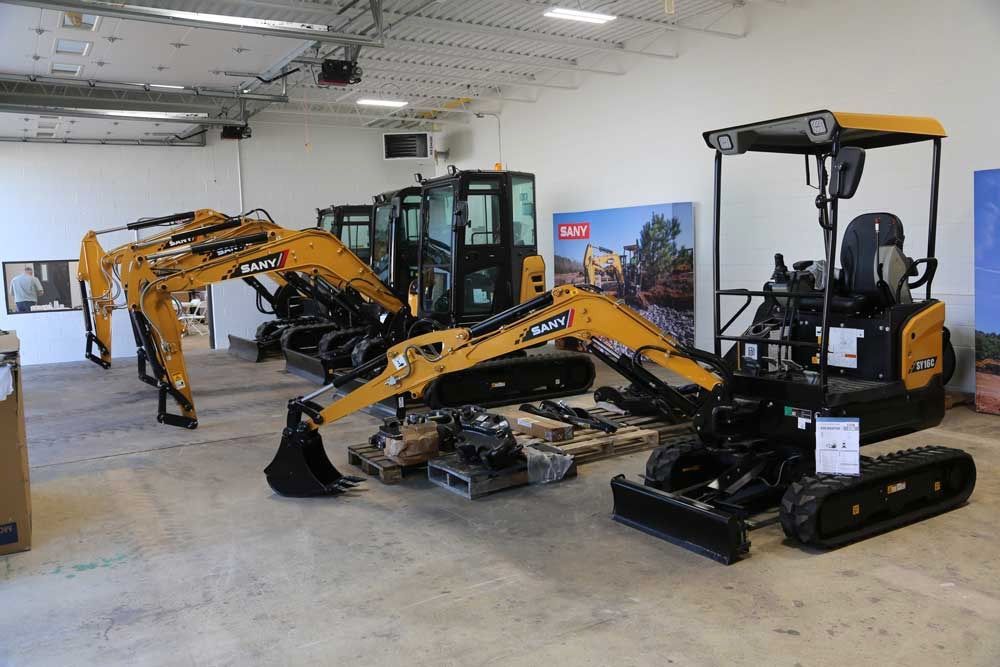
For tighter sites and utility corridors, many contractors lean on smaller machines that still have real digging power. That’s where compact SANY excavators for tight job sites can make sense for trenching, backfill, and grading without eating up the whole laydown.
PA 2026 metrics to watch (permits, square footage, and public funding signals)
You don’t need expensive subscriptions to spot work forming. Watch these signals weekly, then map them to equipment needs about 60 to 120 days out:
- Local permit dashboards : Spikes in commercial permits often show up before bid invites get noisy, flag excavation, haul, and compaction demand first.
- County planning agendas : When land development plans hit the agenda, think clearing, erosion control, access roads, and stormwater.
- Major employer announcements : A new distribution hub or plant expansion usually triggers pad work and utility upgrades soon after.
- PennDOT letting calendars : Even “road” jobs pull in site contractors for drainage, retaining, and staging, plan for excavators, loaders, and grading support.
- Utility upgrade notices : Substation, gas main, and waterline work can create steady trenching and restoration work, often on short notice.
PA project types that will keep crews busy (industrial, healthcare, education, and mixed-use)
In 2026, Pennsylvania’s busiest commercial categories tend to share the same early sequence, clear, demo, move dirt, control water, build access, then chase finish grades.
Industrial and logistics work often starts with mass excavation , stormwater basins, and heavy stone sections for trailer traffic. Healthcare projects bring more tight staging and careful excavation around existing buildings and utilities. Education work often lands in summer pushes, which makes schedule compression normal, not rare. Mixed-use projects can be the trickiest, because they blend demo, excavation, and material handling while the surrounding area stays active.
New Jersey in 2026, the hot spots and the kinds of commercial jobs getting funded
New Jersey’s commercial construction growth in 2026 is shaped by one big reality: it’s a corridor state. When freight, port activity, and highway access stay strong, industrial and redevelopment work tends to follow. Add in ongoing upgrades to roads, bridges, and utilities, and you get a steady pipeline of projects that need dirt work, drainage, staging, and constant material movement.
A lot of NJ jobs also live on constrained sites, old industrial parcels, tight redevelopment zones, or properties that can’t fully shut down. That pushes contractors toward equipment that can do more than one job per day. You might dig in the morning, handle pallets or pipe after lunch, then load out demo debris before the end of shift.
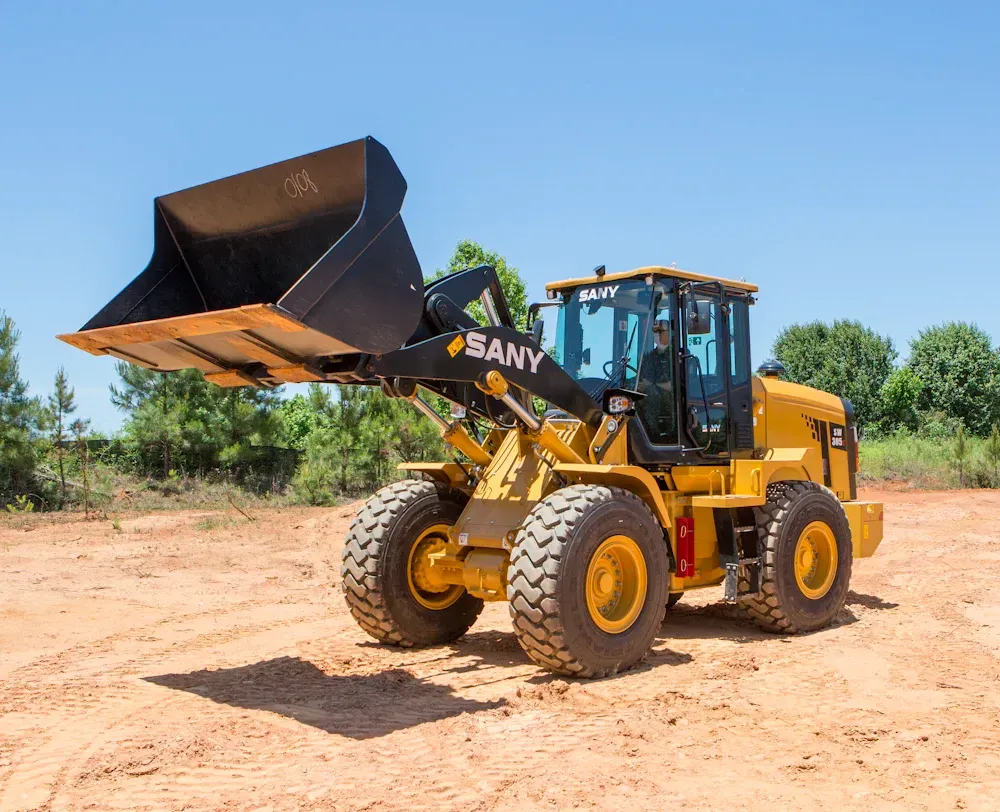
Fleet managers feel this pressure first. When start dates move up, uptime becomes the whole ballgame. If you’re light on machines for a surge, it’s smart to plan a mix of owned iron and quick-turn backups, plus a parts and service plan that keeps small issues from turning into lost days. Pair that with flexible payment options so you’re not handcuffed when the next funded job drops. For material stockpiles, loading trucks, and site cleanup, many crews keep a loader at the center of the plan, and SANY Wheel Loader Sales and Rentals in New Jersey fits that “always working” role on a lot of NJ sites.
Call 609-546-3799 or fill out this form to book a demo.
NJ 2026 metrics to track (port flow, redevelopment notices, and utility work)
To forecast demand in New Jersey, look for signals that show money and movement, then connect them to early tasks:
- Port throughput headlines : More containers usually means more warehousing and yard work, expect grading, stone, and drainage.
- Warehouse vacancy trends : Tight space can push new builds and expansions, which starts with pads, access, and stormwater.
- Municipal redevelopment RFPs : When towns post RFPs, early work often includes demo, remediation support, and utility tie-ins.
- Brownfield grant announcements : These can trigger clearing, removal, and careful excavation, plus hauling and disposal planning.
- Road and bridge schedules : Detours and staging create demand for trenching, base, and site maintenance equipment near work zones.
- Large retail tenant moves : A big tenant change can spark fast renovations, dumpster logistics, and tight delivery windows.
NJ commercial project mix in 2026 (warehouses, retail refresh, multifamily ground floors, and public upgrades)
Expect a blend of new industrial builds and “keep it open” renovations. Warehouses drive rough grading, stormwater installs, and heavy loading out. Retail refresh work leans on compact machines, careful demo, and fast cleanup to meet reopening dates. Multifamily with ground-floor retail often requires tight access excavation, foundation support, and constant material handling. Public upgrades, drainage, water, and roadway tie-ins tend to create steady trenching and backfill work across seasons.
Machines that tend to be booked first:
- Excavators
- Wheel loaders
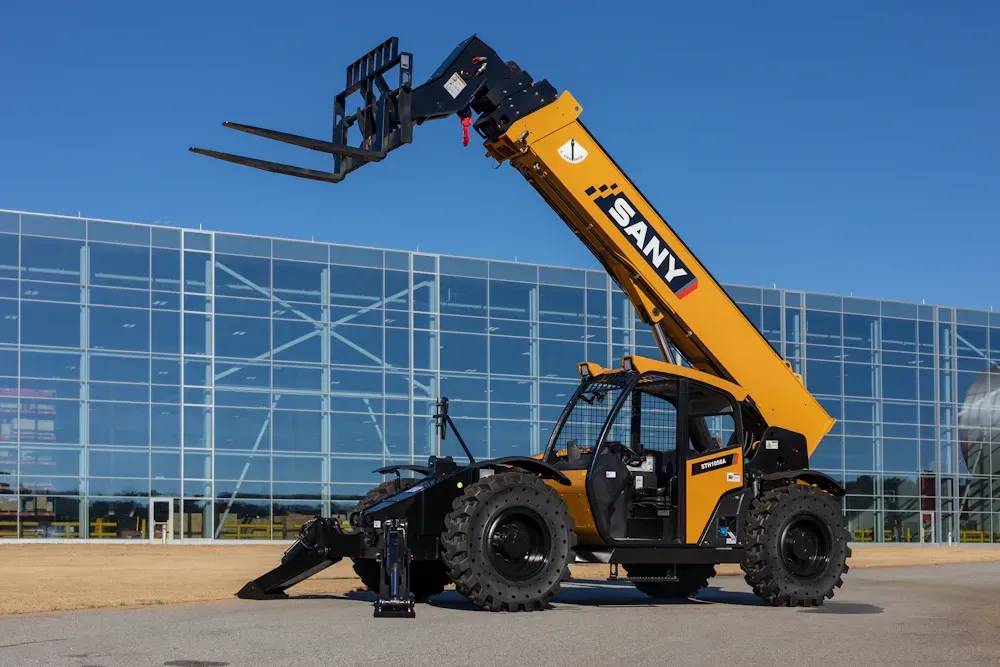
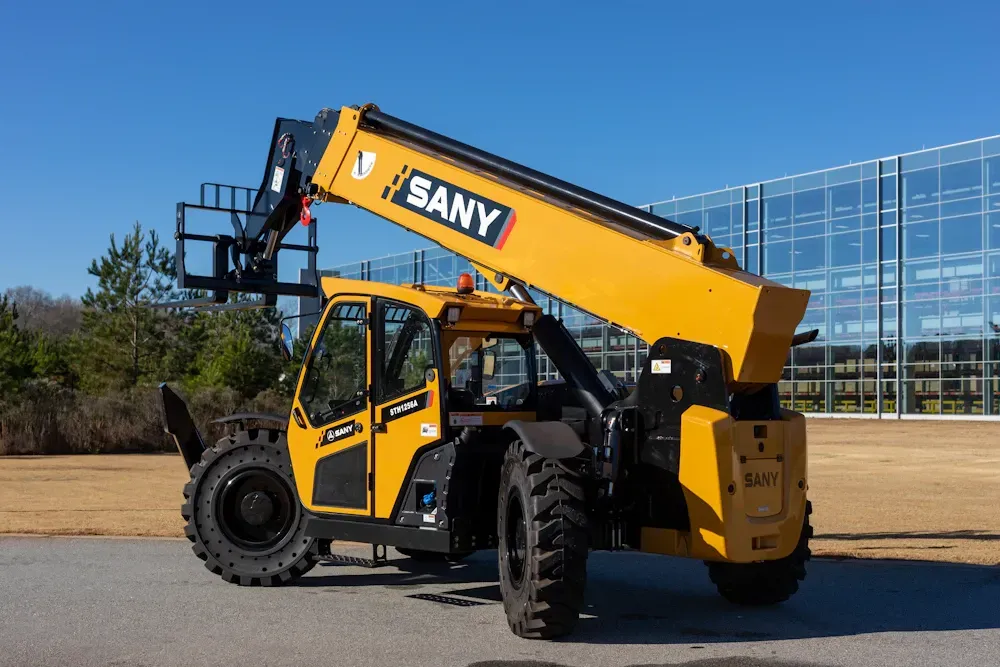
- Telehandlers
- Motor graders
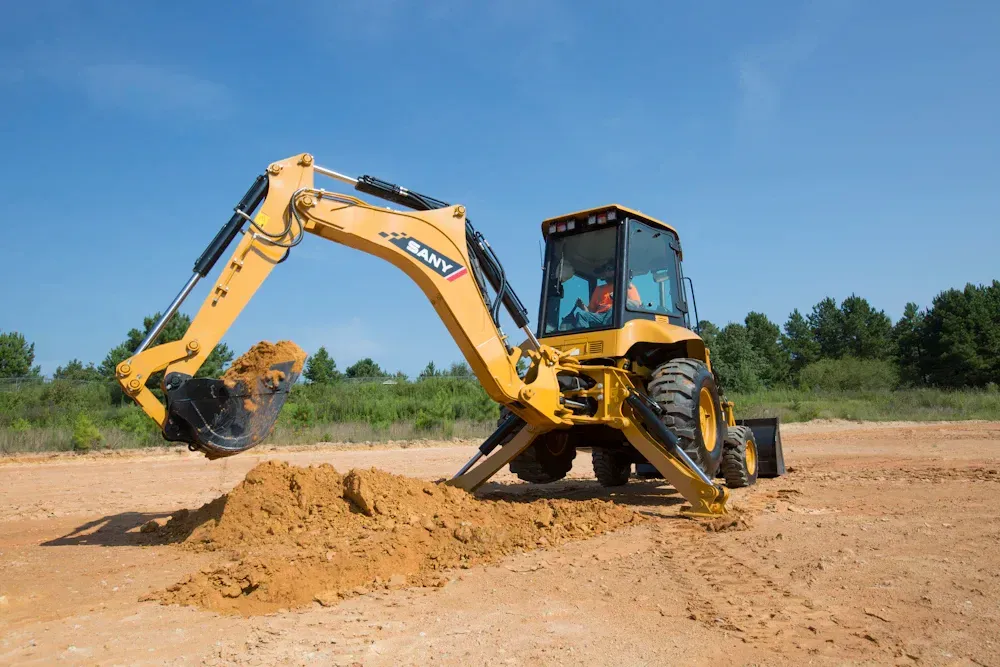
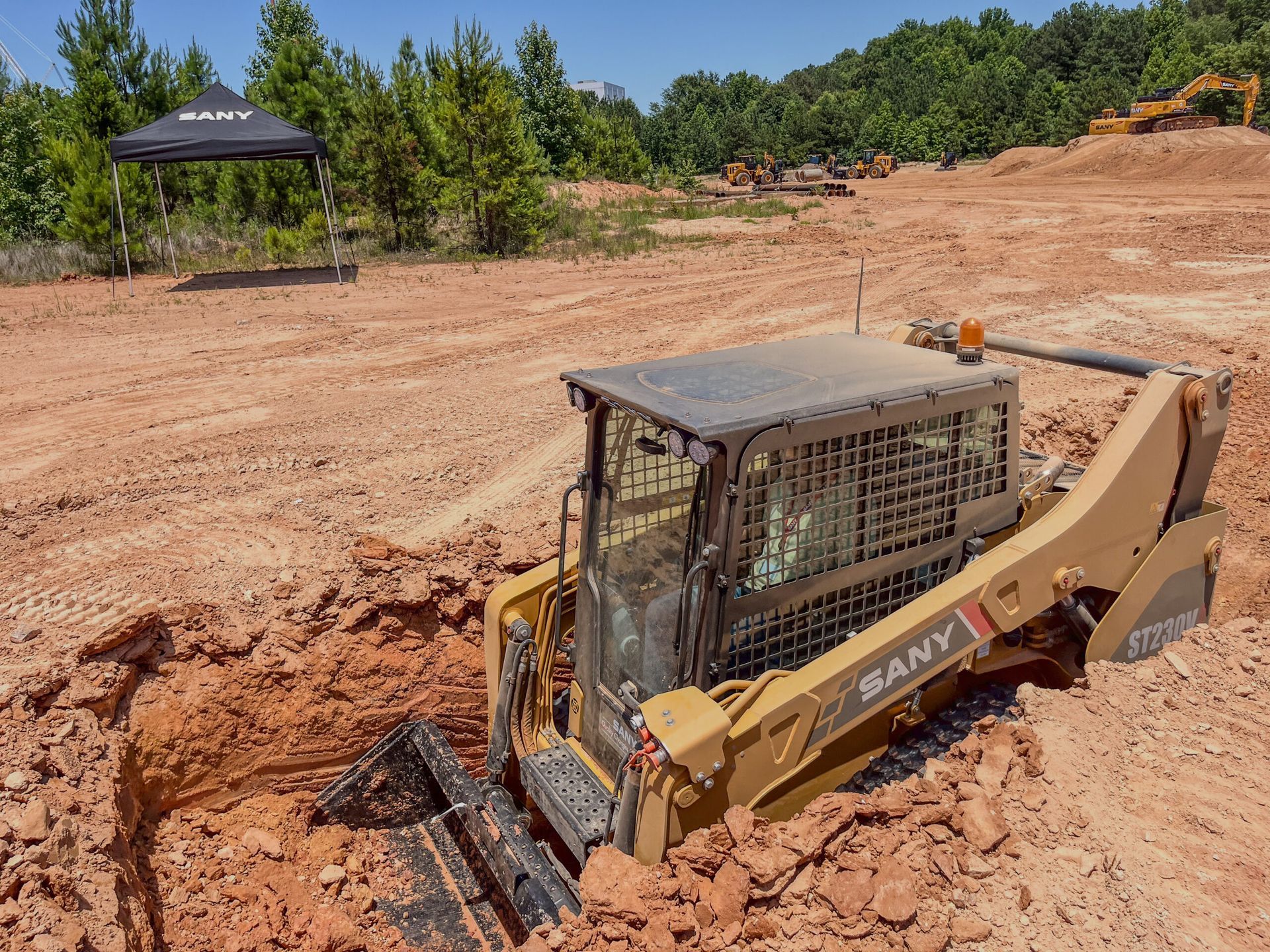
- Backhoes or Track Loaders
NYC in 2026, borough-by-borough demand and what it means for equipment planning
New York City doesn’t grow like a suburban market. A lot of commercial construction growth shows up as alterations, re-positioning, and infrastructure work that happens while the city keeps moving. Equipment planning is less about “biggest machine wins” and more about access, noise windows, staging, and haul timing.
- Manhattan
- Growth signal: higher volume of renovation and alteration activity in core business areas
- Common work: interior fit-outs, building system upgrades, ground-floor retail changes
- Constraints: tight staging, strict delivery times, limited curb space, high hauling costs
- Brooklyn
- Growth signal: ongoing conversions and mixed-use activity near transit and waterfront edges
- Common work: adaptive reuse, light industrial rebuilds, mid-rise commercial spaces
- Constraints: narrow streets, neighborhood restrictions, coordination with multiple trades
- Queens
- Growth signal: more industrial and logistics shifts near key road links and airports
- Common work: warehouse upgrades, distribution facilities, commercial service yards
- Constraints: truck routing, site security, balancing rough work with active operations
- The Bronx
- Growth signal: steady public improvement work and industrial corridor activity
- Common work: utility-related commercial work, roadway tie-ins, facility upgrades
- Constraints: work-zone safety, traffic control, fast restoration requirements
- Staten Island
- Growth signal: continued interest in logistics and commercial service uses
- Common work: yard improvements, warehouse pads, roadway and drainage work
- Constraints: haul planning across crossings, weather impacts, staging for deliveries
If you’re supporting NYC work from NJ or PA, plan your support like a pit crew, not a spare tire.
Book a Tow and Show, come in for a heavy machinery demo, and keep contacts handy to call sales or rental when a start date jumps forward.
When something breaks, you need a direct line to call for parts or service so a two-hour issue doesn’t become a two-day delay. If the next job requires a quick equipment move, in-house financing is available , and you can start by reviewing heavy equipment financing options before bid day turns into mobilization day.
The NYC 2026 metrics that predict work before bids hit your desk
NYC leaves clues everywhere, if you watch the right ones:
- DOB permit trends (new buildings vs alterations): Alterations often mean quick starts and tight access needs, plan for compact support equipment and smart staging.
- Major capital plan announcements : Public work can drive long-duration site logistics and steady trenching, hauling, and restoration.
- MTA work notices : Transit-adjacent zones create time windows and detours, which changes crew sequencing.
- Large owner capex notes : Big building owners often telegraph upcoming upgrades, which affects material handling and debris cycles.
- Rezoning and land-use approvals : These can signal future site work, even before a GC is selected.
- Retail and office repositioning : Look for leasing pushes and closures, they often lead to fast interior and storefront construction.
Conclusion
Across Pennsylvania, New Jersey, and NYC, commercial construction growth is showing up in ways that matter to real jobsites: more starts, more phased schedules, more utility and access work, and more pressure to keep machines running without excuses. The contractors who profit aren’t always the biggest, they’re the ones who plan earlier and protect uptime.
Next steps that help right away:
- Watch local metrics weekly (permits, DOT lettings, redevelopment notices).
- Line up rentals before schedules compress.
- Prep maintenance now, don’t wait for the first warning light.
- Verify hauling routes, access plans, and delivery windows.
- Keep financing options ready so you can move fast when a job hits.
Call 609-546-3799 to speak with SANY to learn more about our machines or fill out this form to book a demo.
Recent Posts