Excavators for Sale: Matching Machine Size to Jobsite Demands
By Sany of Pennsauken • March 12, 2026
Shopping Excavators for Sale sounds simple until the first day on site. Buy too big and you’re fighting tight access, higher fuel burn, and a machine that can’t work where the crew actually needs it. Buy too small and you’re watching trucks sit, operators overreach, and the job stretch into extra days.
The best match isn’t about ego or “bigger must be better.” It’s about picking a size that fits the work, fits the site, and hits your daily production without beating up your budget.
This guide breaks it down in plain terms, so owners and fleet managers can choose an excavator that’s easier to move, comfortable to run all day, and cheaper to own over the long haul.
Start with the job, not the machine: what you need to know before you shop
Before you talk to a dealer, write down a few job facts. This keeps the conversation focused on outcomes, not guesswork. The goal is simple: finish faster, keep grade, and cut rework.
Here’s a quick checklist you can keep on a note in your truck:
- Main work type : trenching, basement dig, loading trucks, grading, demolition, material handling.
- Material : topsoil, sand, clay, fill with debris, asphalt, rock, frozen ground.
- Dig specs : target depth, trench width, slope needs, and any shoring plan.
- Daily production target : how many cubic yards or linear feet you need per day.
- Site access : gate width, turning radius, and the tightest path to the work zone.
- Overhead limits : power lines, tree canopy, scaffolding, bridge decks, indoor ceilings.
- Ground conditions : soft lawns, wet clay, backfilled areas, steep slopes.
- Loading plan : truck size, where trucks can sit, and where spoil can be placed.
- Hauling and storage : trailer capacity, permits, and where the machine will park overnight.
- Attachments you actually use : buckets, thumb, breaker, compactor, grapple.
Once those are clear, “what size excavator?” turns into a real sizing discussion, not a coin flip.
Define the work by material, depth, and daily production
An excavator’s size needs to match what it’s digging and how much has to move each day. Material type matters because it changes fill factor (how full the bucket really gets) and how hard the machine has to work to pry, curl, and break out.
- Utility trenching in normal soil is often about control and speed. You want fast cycles and clean trench walls, not just raw power.
- Basement excavation needs enough reach and depth to cut safely, shape slopes, and pull material back without parking on the edge.
- Truck loading all day is production work. If the bucket is too small, you need too many passes. If the machine is too small, it feels like it’s always straining.
Cycle time is the plain-language metric that ties this together. It’s how fast the machine can dig, swing, dump, and repeat. A smaller excavator might be quick in light soil, but slow down hard when it has to fight clay or broken rock. A larger machine might move more per pass, but if it’s stuck doing wide swings in a cramped area, the “bigger bucket” advantage can disappear.
A simple way to think about it: if your work is mostly short trenches and finish digs, you’re buying control. If your work is mostly constant loading, you’re buying production.
List the jobsite limits that can force you into a smaller excavator
Some sites choose the excavator size for you. Access and clearance are the big ones, but they’re not the only limits that matter in real life.
Start with the obvious constraints:
- Access width : gates, alleyways, fence openings, and the narrowest turn on the path to the dig.
- Working next to structures : tight offsets from foundations, retaining walls, and parked vehicles.
- Overhead hazards : power lines, tree limbs, and roof overhangs that limit boom height.
Then consider what crews feel after the first rain:
Heavier machines put more pressure on the ground. In simple terms, more weight can mean more sinking , more rutting, and more time repairing lawns or reworking a base. Ground pressure isn’t just a spec, it’s whether you can keep moving without tearing the site apart.
Also factor in neighborhood realities. Noise limits and restricted work hours can push you toward a smaller excavator with a lighter touch, especially in residential areas where you need to keep the job calm and predictable.
Excavator size classes, what they’re best at and where they struggle
Size classes aren’t only about operating weight. They affect reach, lift, bucket size, transport needs, and how forgiving the machine is when an operator is trying to work fast without getting sloppy.
Below is a plain-language breakdown. Think of it as “best fit” guidance, not a rulebook.
Mini excavators: tight access, finish work, and lower hauling hassle
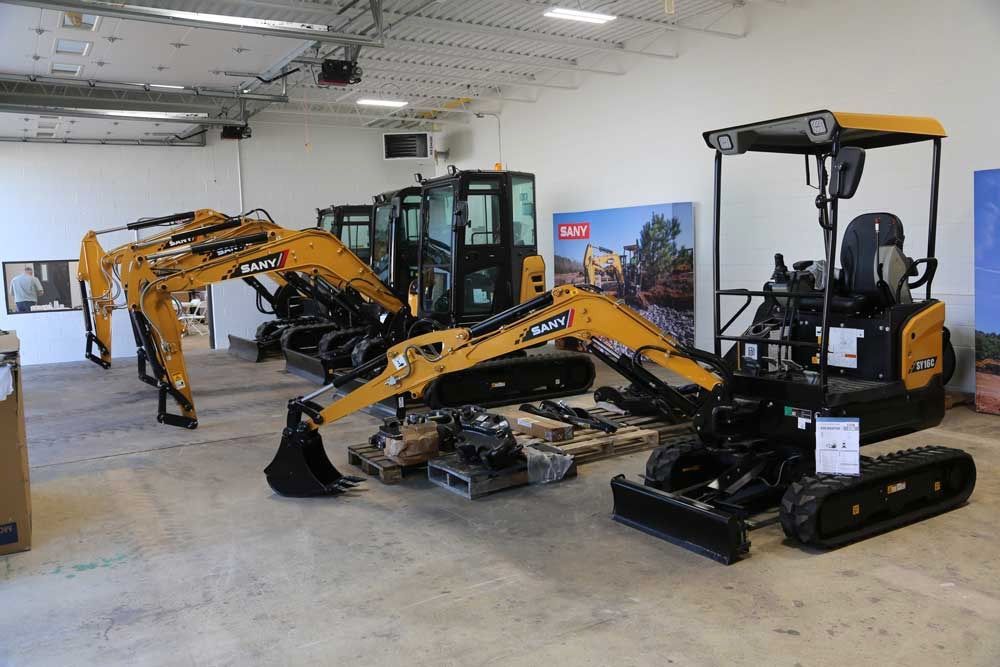
Mini excavators earn their keep when the jobsite is tight and the finish matters. They’re common in landscaping, pool prep, drainage work, small trenching, and backyard projects where the customer will notice every rut.
Where minis shine
- Access : they fit through narrow gates and work close to homes.
- Lower turf damage : less weight helps on lawns and softer ground.
- Easier transport : many crews can haul them with lighter trailers and avoid heavy logistics.
- Fuel use : smaller engines usually mean less burn for the same hours.
Where minis hit limits
- Hard material slows production. Clay and rock can turn a quick job into a long one.
- Reach and depth can come up short on deeper trenches or larger basements.
- Lift capacity is limited for setting heavy pipe, vaults, or large boulders.
Common buyer mistake Buying a mini to “do everything” because it’s convenient to haul. If your calendar includes steady truck loading, heavier demo, or deeper cuts, a mini can become the bottleneck that costs more than it saves.
Compact and mid-size excavators: the sweet spot for many crews
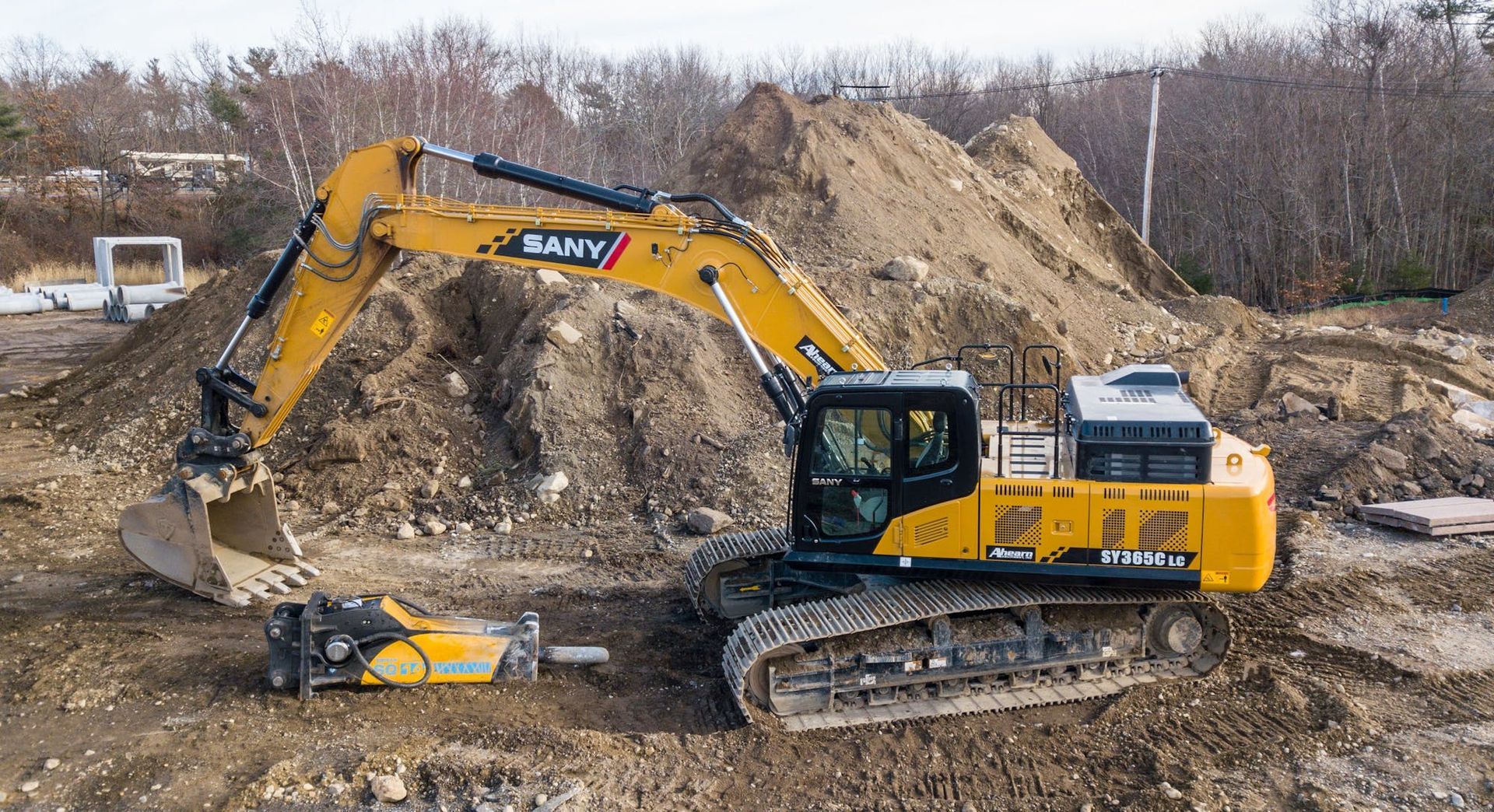
For many contractors, compact and mid-size excavators are the steady workhorses. They handle utility installs, light demolition, site prep, small commercial pads, and general excavation without feeling oversized on every job.
Why this size often works
- Balanced reach and lift for pipe work, small walls, and site shaping.
- Faster cycles than a mini when the material gets tough.
- More attachment flexibility for thumbs, breakers, and grapples.
- Better stability when you’re lifting or working over the side.
Trade-offs to watch
- They can still be too large for backyards and tight residential paths.
- They can still be too small for heavy rock or constant high-volume loading.
- Transport can require a heavier truck and trailer combo, depending on the machine.
Common buyer mistake Sizing based on one “big” project. If 70 percent of your jobs are tighter residential work, going too large creates access issues and extra repair time. If 70 percent is production work, going too small creates schedule pain.
Large excavators: high production, deep cuts, and big lift jobs
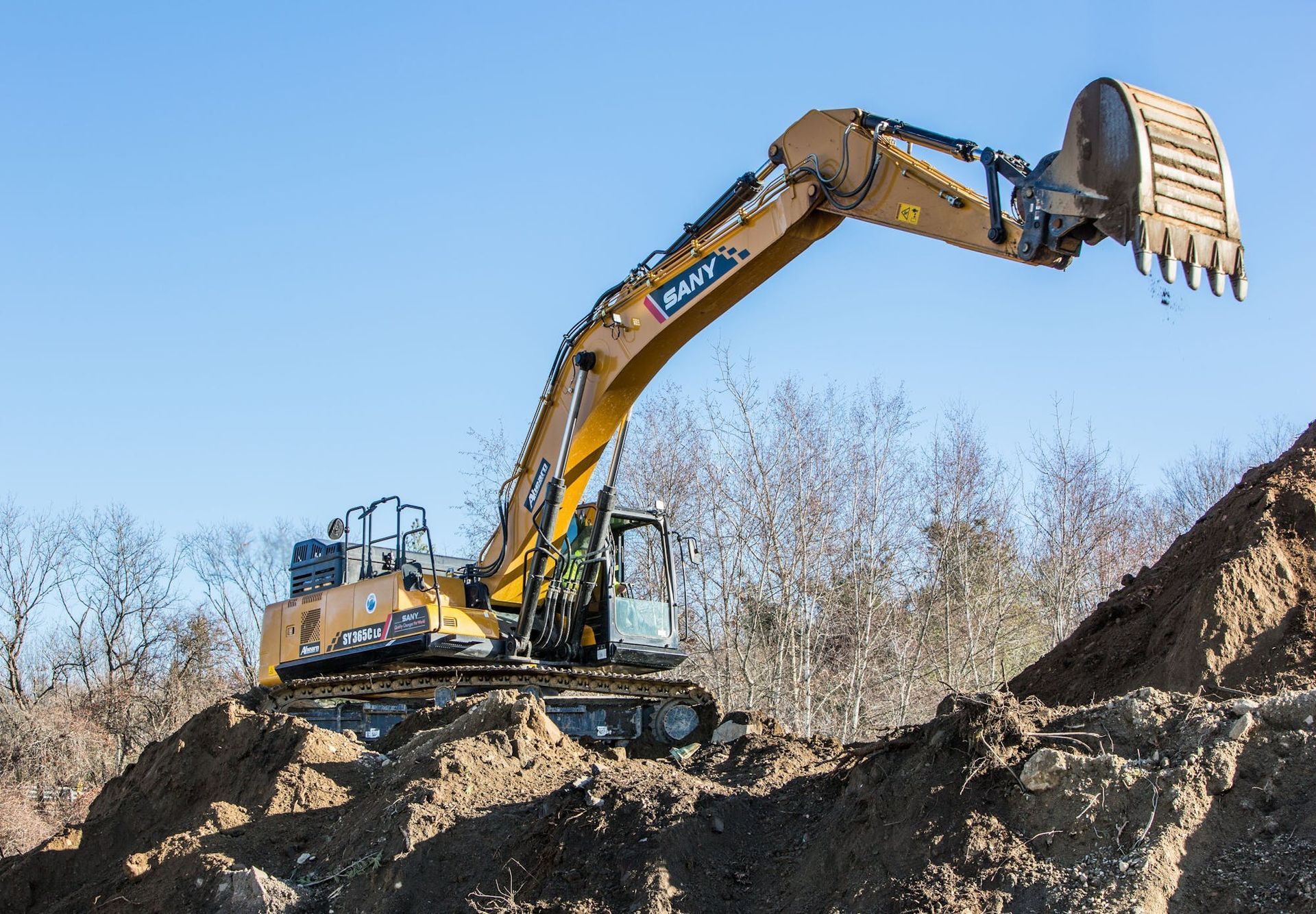
Large excavators pay off when the job is about moving serious volume, working deep, or handling heavy objects all day. Think mass excavation, deep basements, heavy demolition, and steady truck loading where every minute counts.
Where large machines earn their cost
- High production : fewer passes per truck, faster loading, and less waiting.
- Deep digging with better stability when the cut gets serious.
- Heavy lift for large pipe, structures, and concrete handling.
- Better performance in tough material when smaller machines struggle.
The hidden costs that come with size
- Transport planning : permits, routing, and scheduling.
- More space needed : swing room, truck positioning, and safe working zones.
- Fuel and wear parts : bigger components cost more when it’s time to replace them.
Common buyer mistake Buying big for speed, then putting it on sites where it can’t swing freely. A big excavator that’s forced into short, awkward movements can lose the advantage you paid for.
Match the excavator to your site plan: reach, swing room, and what you’re loading
Two crews can run the same excavator on two sites and get very different results. Layout decides a lot.
Think of the machine as the center of a work triangle: the cut, the spoil pile, and the truck. If any point is too far away or placed wrong, your operator pays for it all day in extra swing time.
A few practical rules of thumb help:
- Shorter swing angles usually mean faster production.
- Trucks placed too far away force long swings and longer cycles.
- Spoil placed in the wrong spot can block travel lanes and slow everything.
Digging depth and reach: avoid coming up short or paying for extra machine
Max dig depth on a spec sheet is only part of the story. What matters on the job is working depth at a comfortable radius. If an excavator is always stretched out, it slows down and feels less stable.
Reach is also tied to stick length and the way you plan to bench or slope the cut. A machine that can “technically” hit the bottom might still struggle to shape the grade cleanly if it’s working at the edge of its range.
A simple planning tip: build in a buffer. Aim for a machine that can do the work without living at full reach . That gives the operator room to keep the bucket in a strong digging position, maintain control, and reduce the need to reposition.
If you’re often digging next to foundations or utilities, that buffer also helps with safer, more precise movements.
Truck loading and material handling: bigger isn’t always faster
Loading is where sizing mistakes show up fast. Bigger buckets can move more per pass, but only if the site layout supports it.
If trucks are parked in a spot that forces a wide swing, each cycle gets longer. At that point, a smaller machine with a faster cycle might keep up better than expected. On the flip side, if you’re loading all day and the trucks are staged perfectly, a larger excavator can crush production.
Match the machine to the haul plan:
- Occasional loading into a small trailer doesn’t justify a huge excavator. You’re better off with control, easy repositioning, and low operating cost.
- Dump trucks cycling all day rewards a machine that can fill the truck in fewer passes, without feeling tippy when the bucket is high.
Also think about bucket choice. An oversized bucket in heavy clay can slow cycle time and spill mess everywhere. The “right” bucket is the one that fills well, dumps clean, and doesn’t force the operator to fight the machine.
Cost and ownership reality check: the cheapest excavator can be the most expensive
Purchase price is easy to compare. Ownership cost is where decisions get real.
A larger excavator usually burns more fuel and costs more to maintain. Still, it might be cheaper per yard if it finishes faster and avoids overtime. A smaller excavator can be economical, but not if it adds days to every project.
If you’re actively shopping, start with a trusted place that can talk through use cases, not just inventory. For local buyers, SANY excavator sales in New Jersey is a good starting point to compare size classes and discuss what fits your workload.
Total cost basics: fuel, wear parts, tracks, and downtime
The biggest ownership costs usually fall into a few buckets:
- Fuel : larger machines tend to burn more per hour, but may move more per hour too.
- Wear parts : bucket teeth, cutting edges, pins, bushings, and hydraulic wear items add up.
- Undercarriage and tracks : ground conditions and travel time can chew through money fast.
- Maintenance access and time : daily checks matter more when the machine is running hard.
- Downtime : the hidden cost that hurts most. A stalled job, a waiting crew, and rescheduled trucks can erase “savings” from buying the wrong unit.
The key question isn’t “what does it cost per hour?” It’s “what does it cost to finish this kind of job?” That mindset keeps you from chasing a low price that turns into high daily pain.
How to choose between buying, renting, or financing based on your workload
A simple framework helps:
- Buying makes sense when the machine will work most weeks. If it’s a core tool, ownership usually wins.
- Renting fits short bursts or special projects. It also helps when you’re testing a size before committing.
- Financing often fits a growth phase. If your backlog is solid but cash is tight, payments can keep the fleet moving without draining working capital.
If you’re weighing options, keep the next steps practical:
- Come in for a heavy machinery demo (or ask about a Tow and Show style visit) to confirm reach, visibility, and cycle feel.
- Call sales or rental and describe your main jobs, material, and site limits, then ask what size class best fits.
- Once you own the machine, call for parts or service support so downtime stays low.
- Ask about in-house financing available if you want a path to ownership that fits your cash flow.
Conclusion: a simple way to size excavators without regret
Matching excavator size to job demand isn’t complicated, but it does require discipline. Keep it simple:
- Define the job (material, depth, and daily production).
- Confirm site limits (access, overhead, and ground conditions).
- Pick the right size class for your most common work.
- Check reach and the loading plan so cycle time stays tight.
- Compare total cost , not just the sticker price.
If you want help narrowing it down, come in for a demo, call sales or rental to talk through size options, ask about in-house financing , and keep the support line open with parts and service so your excavator stays earning.
5 Years / 5000 hours
Warranty on SANY
Heavy Machinery Sales
Get the right heavy machinery for your next project. Serving New Jersey, Southeastern Pennsylvania, Greater Philadelphia, NY (boroughs & LI).
Heavy Equipment Rental NJ
Reliable Machines. Fast Turnaround. Local
Support You Can Depend On.
SHARE THIS
Latest Posts