Types of Construction Projects and Key Differences That Matter
By Sany of Pennsauken • February 12, 2026
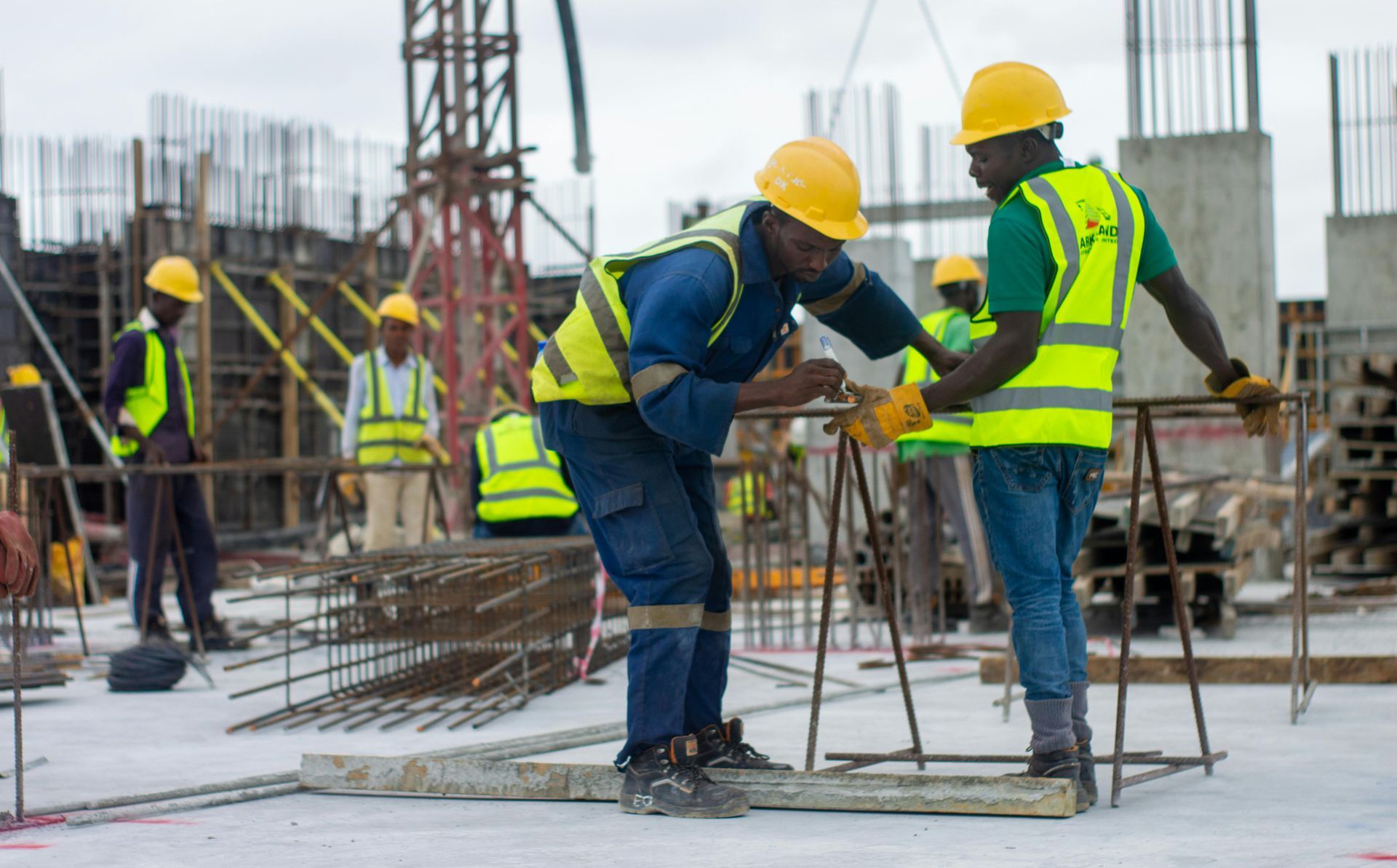
Picking the right crew, equipment, and plan isn’t about what you prefer, it’s about what the job demands. The types of construction you take on change everything, from permits and safety rules to how much space you’ll have to stage materials.
For business owners and construction managers, knowing the key differences early can save real money. It helps you estimate cleaner, avoid delays, and keep small problems from turning into change orders on a construction project. If you treat every type of construction the same, the jobsite will humble you fast. For a quick look at fleet options that fit different job needs, start with SANY heavy equipment sales in New Jersey.
Call 609-546-3799 to speak with SANY to learn more about our machines or fill out this form to book a demo.
The main types of construction projects, and what makes each one unique
Most projects fall into a few buckets, but they don’t run the same. Pace, site conditions, permits, safety risk, and machine mix all shift depending on what you’re building and where you’re building it.
Here’s a quick scan of what tends to change by project type:
- Pace and sequencing : Some jobs sprint in short phases, others grind for months in steady production.
- Site constraints : Tight access and neighbor impact can matter more than the actual scope.
- Permits and inspections : Private jobs can move fast, public work often has more checkpoints.
- Safety exposure : Heavy lifts, confined spaces, traffic control, and hazmat all raise the bar.
- Common machine use : Material handling vs earthmoving vs finishing changes what stays busy.
Residential and multi-family builds (from single homes to apartment complexes)
Residential work swings between new builds and major remodels, and that changes your day-to-day. New builds often start with clearing, rough grading, foundations, then utilities and flatwork. Remodels can be more like surgery, lots of protection, dust control, and tight paths for hauling material out.
Neighborhoods bring constraints you can’t ignore. Staging areas are small, noise limits matter, and deliveries can clog a street in minutes. Common tasks include foundations, trenching utilities, final grading, and constant material handling.
Scheduling also gets pulled by inspections and subs. When framing, MEP rough-in, and drywall crews stack up, one missed inspection can domino into a lost week.
Commercial builds (retail, offices, warehouses, and mixed-use)
Commercial sites usually mean bigger footprints, more trades, and stricter code requirements. You’ll see more steel, more concrete, more coordination, and more paperwork moving around at the same time as material.
Material movement gets intense. Lift planning matters, laydown areas get mapped early, and site traffic can feel like a small airport. Telehandlers, loaders, and larger excavators often stay busy just keeping production fed.
Owners also care about opening dates, not just “substantial completion.” A delay doesn’t just cost overhead, it can cost rent, tenant revenue, and momentum.
Industrial construction (plants, energy, heavy process sites)
Industrial jobs can look like regular construction from a distance, but the controls are tighter. Safety plans are deeper, documentation is heavier, and the job often has more “permission to proceed” moments.
Foundations can be specialized, loads are higher, and equipment set-up takes more planning. Heavy lifts are common, and access can be limited by existing operations, pipe racks, or security rules.
Coordination often revolves around shutdown windows. When you only get a short outage to tie-in a system, every missed hour hurts.
Infrastructure and civil work (roads, bridges, stormwater, utilities)
Civil work stretches out. Instead of one tight site, you might have a long linear job with multiple active zones. Right-of-way limits where you can work, and public safety sits in the middle of every decision.
Traffic control is its own scope. Weather also hits harder because earthwork, paving, and concrete don’t care about your schedule. Trenching, grading, compaction, drainage, and restoration are common, and production rates can swing fast with soil and water conditions.
If you’ve ever tried to keep crews productive while shifting lanes and protecting pedestrians, you know this type has a different kind of stress.
Specialty projects (demolition, environmental, site remediation)
Specialty work brings unknowns, and unknowns bring cost. Demolition adds hazards like unstable structures, hidden utilities, sharp debris, and dust control requirements. Remediation adds sampling, documentation, and strict disposal rules.
Permits can be more sensitive, and debris handling is a planning exercise, not an afterthought. What you uncover on day three can change the approach on day four, so equipment needs may change daily.
On these jobs, flexibility isn’t nice to have, it’s how you stay on schedule.
Key differences that change your budget, schedule, and risk
A clean bid isn’t just about unit prices. It’s about spotting what could slow you down, then pricing and planning for it. The biggest swings usually come from unknowns, access, realistic production rates, and compliance requirements.
When you’re estimating and planning, focus on what drives downtime and rework. A slow inspection cycle can park a crew. Poor access can turn a simple excavation into a half-day of repositioning. Missing a traffic control requirement can shut down work entirely.
A few practical differences to watch:
- Unknown conditions (soil, utilities, existing structures): More unknowns usually mean more contingency and more schedule buffer.
- Access and staging : Limited laydown forces extra handling, and extra handling burns labor and machine hours.
- Production rates : The same trench footage is not the same trench, not in rock, not in wet clay, not next to live traffic.
- Compliance load : More forms and inspections can slow decisions and increase the chance of stop-work events.
Scope and stakeholders, who signs off and how that affects speed
Residential work often has fewer layers. A homeowner or small developer can decide fast, even if they change their mind more often. Commercial projects add more stakeholders, architects, engineers, and tenant needs, which can slow approvals but reduce guesswork when managed well.
Public infrastructure can be the slowest on approvals because sign-off may involve agencies, inspectors, and public notifications. Industrial sites can move fast once approved, but getting approvals can take time due to safety and operational risk.
In plain terms, RFIs are questions your team sends when drawings aren’t clear, submittals are proof that what you plan to install meets spec, and inspections are the gate you must pass before you cover work.
Common approval checkpoints that can speed or slow a job include:
- Permit issuance and revisions : A resubmittal can reset the clock.
- Submittal approvals : Long lead items can sit until a stamp comes back.
- RFI responses : Every unanswered question can pause a crew.
- Owner sign-offs : Finish selections and scope clarifications can stall late phases.
- Required inspections : Miss one, and you might lose a week.
Site conditions and logistics, the hidden driver of cost
Two projects with the same drawings can cost very different amounts, based on how hard it is to move people and material around. Access roads, laydown area, soil type, slope, overhead utilities, and neighboring properties all change how productive your equipment can be.
Think of logistics like a kitchen during dinner rush. If the fridge is outside and the stove is in the garage, the cook doesn’t suddenly work harder, they just waste steps all night.
Before you bid, ask a few quick site questions:
- Can trucks enter, turn, and exit without backing across traffic?
- Is there room for a laydown area, or will it be just-in-time delivery?
- What’s the soil and groundwater story, based on borings or local history?
- Any overhead lines, tight corners, or weight limits on access roads?
- Are neighbors close enough to limit work hours, noise, or dust?
Small answers here change big numbers later.
Permits, codes, and safety requirements, where surprises happen
Permits aren’t just paperwork, they’re schedule gates. Civil work often needs traffic control plans, erosion and sediment controls, and utility coordination. Industrial work often requires documented safety plans, equipment certifications, and strict rules around hot work, lockout, and confined spaces.
Specialty projects add another layer. Environmental controls might require monitoring, special handling, and disposal documentation. Demolition can require engineered plans, dust control, and utility verifications.
The best way to avoid surprises is to treat compliance as part of production. If it takes two hours to set up barriers, signage, and daily logs, that’s not overhead, it’s work.
How to match equipment and support to the type of construction you’re doing
Equipment choice is where planning becomes real. The right machine in the wrong size class can slow the whole crew. The wrong attachment can turn a one-day task into a three-day fight.
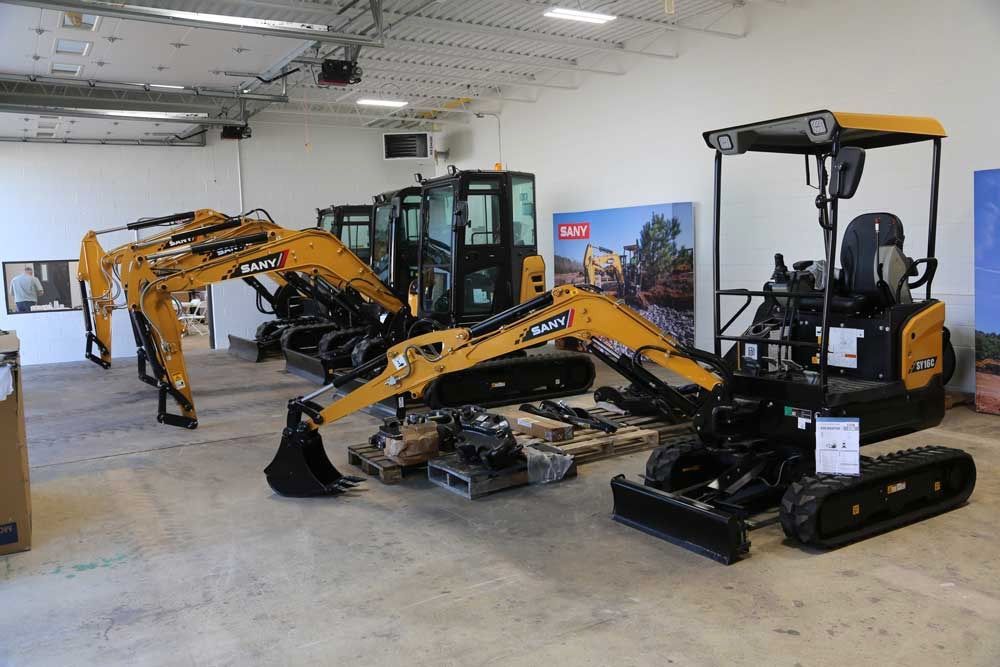
For contractors balancing cash flow and uptime, it usually comes down to a mix of buying and renting. If you’re looking at options, you can start with the dealer side, then decide what makes sense for your fleet and workload. If you want to compare what fits your typical scopes, explore new excavators and wheel loaders for sale.
Support matters just as much as iron. When a machine goes down mid-pour or during a critical trench run, you don’t need advice, you need parts and service fast.
Typical machine needs by project type, with real jobsite examples
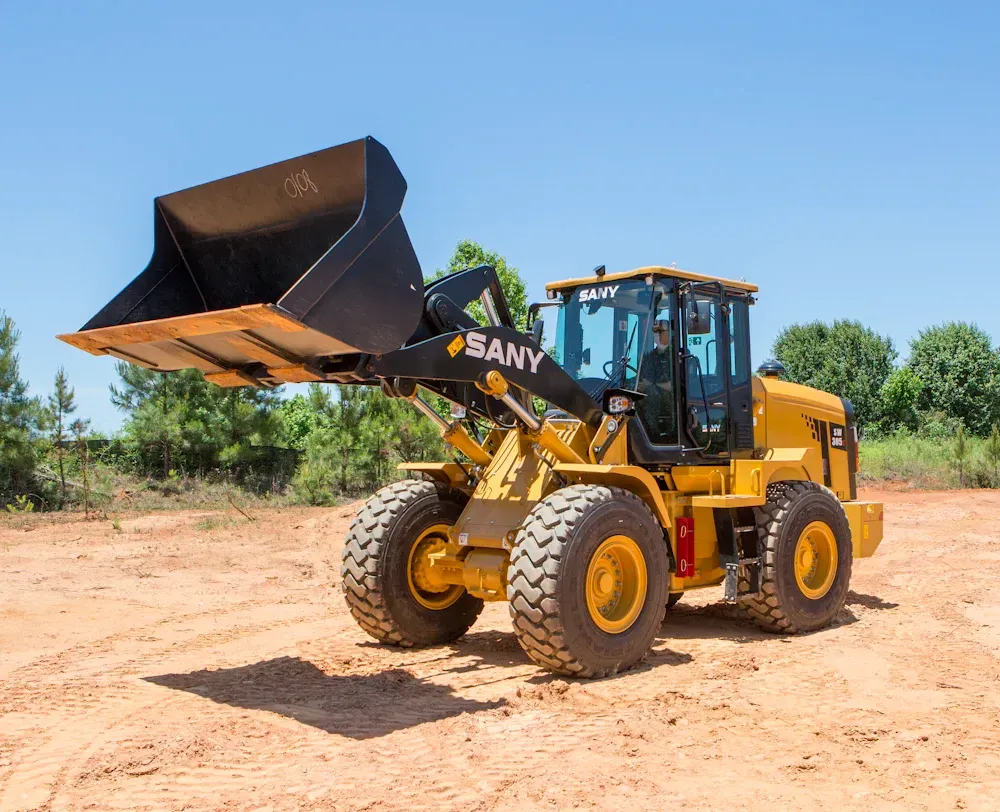
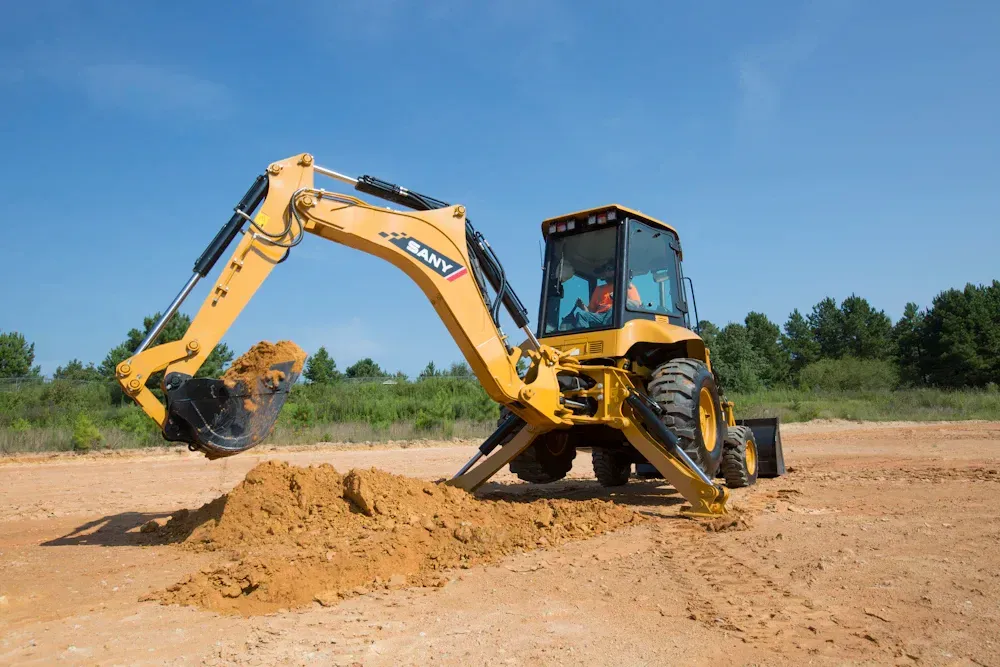
Residential work often rewards compact size and easy transport. A compact excavator can work in tight backyards, a small wheel loader can keep material moving without tearing up finished areas, and a backhoe can handle mixed digging and loading with one machine.
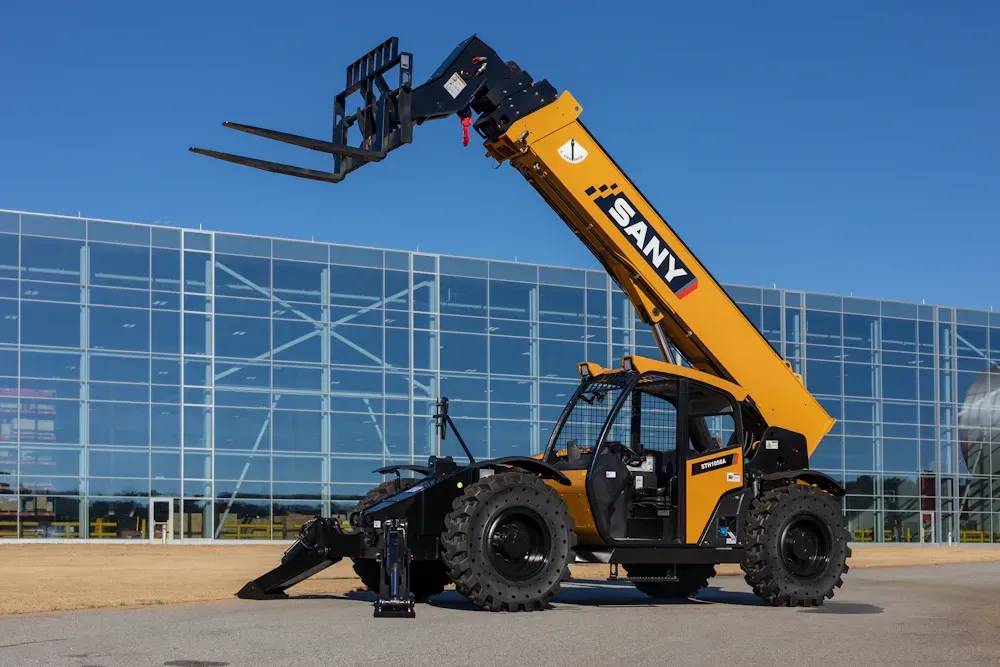
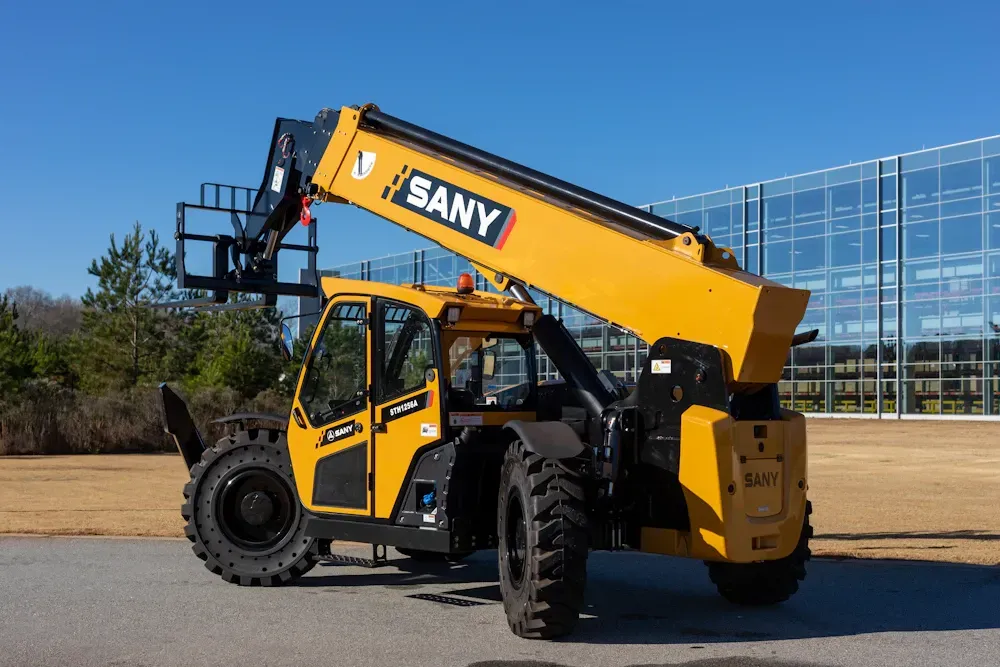
Commercial sites often need stronger material handling. Telehandlers help stage pallets, set rooftop units, and keep crews fed across larger pads. Medium excavators handle utilities and foundations, and wheel loaders keep aggregate and spoils moving.
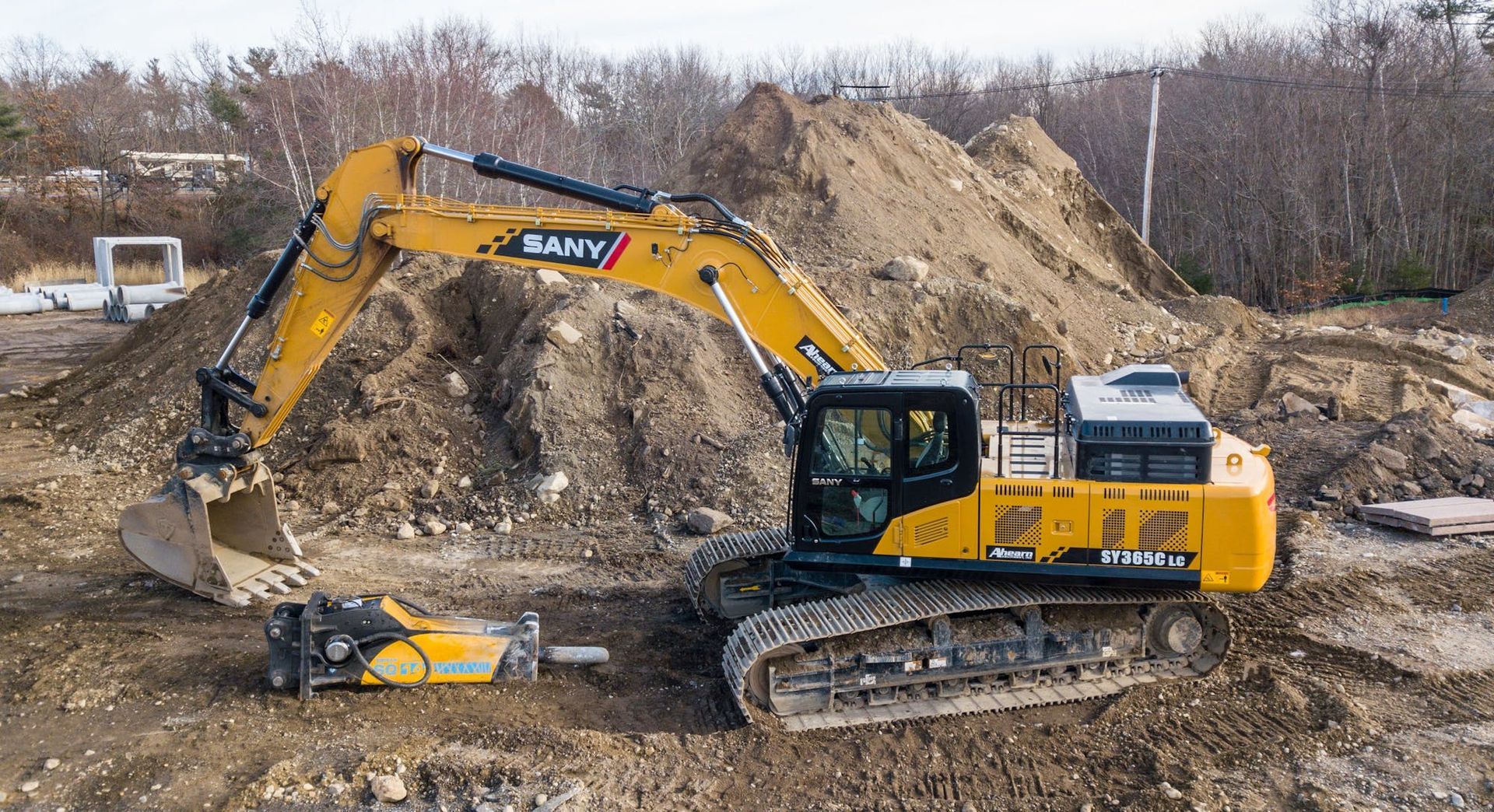
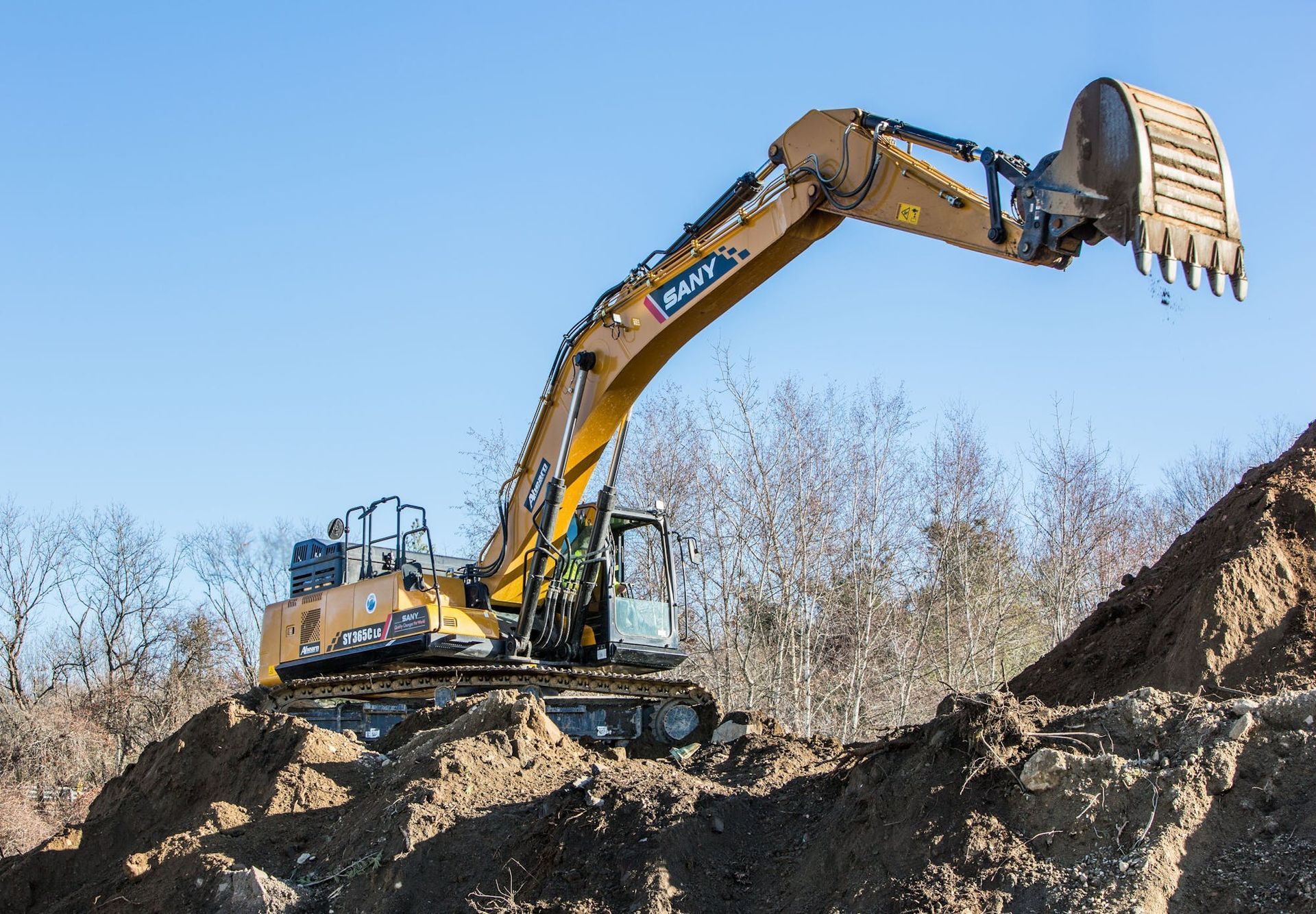
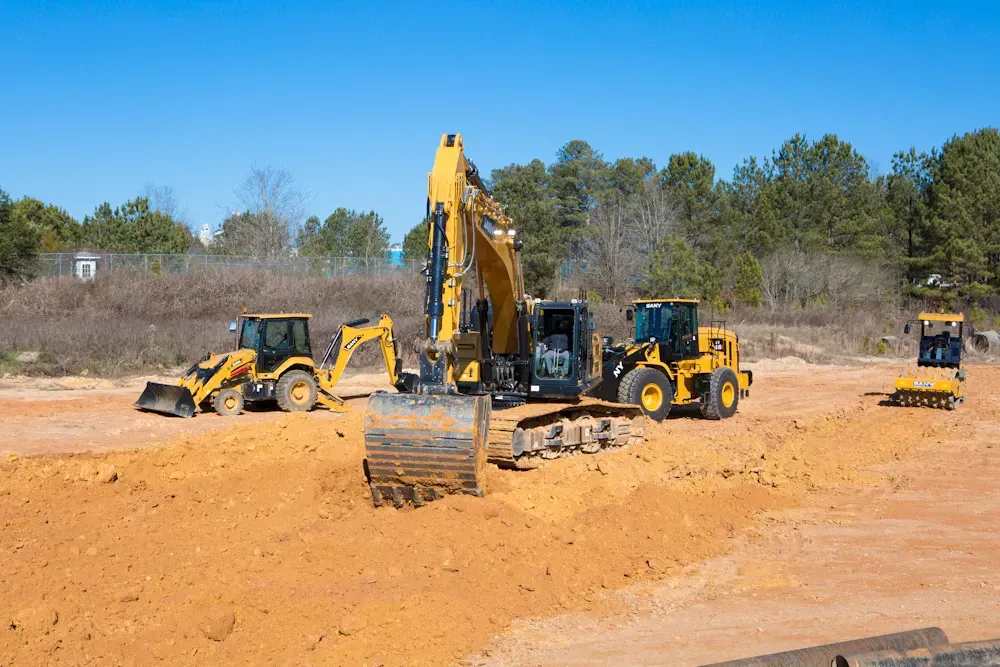
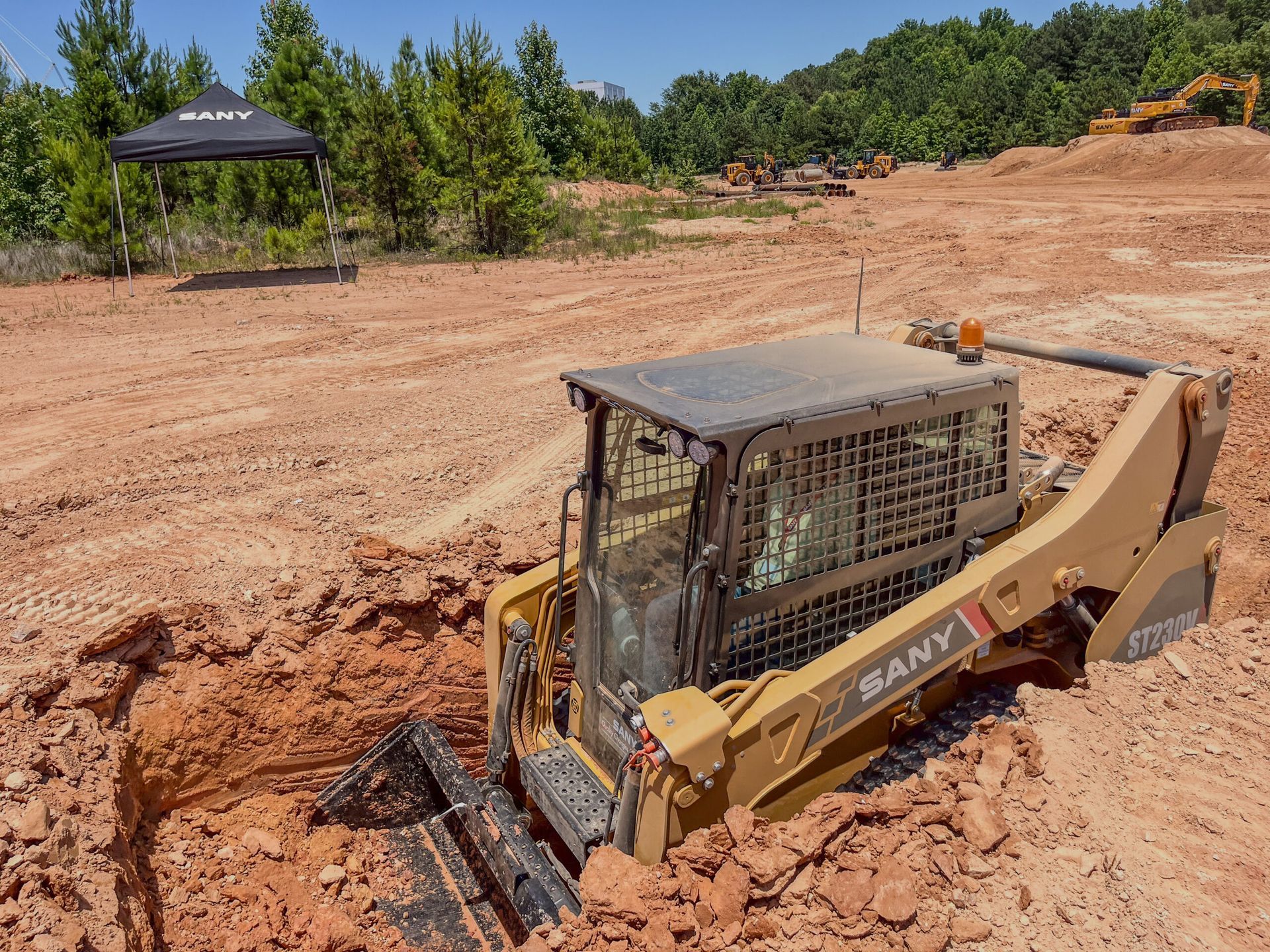
Civil jobs lean into production earthmoving. Excavators, motor graders, and loaders often run in a rhythm: cut, load, haul, grade, compact. Trenching for stormwater and utilities is constant, and attachment choice matters (buckets, thumbs, compactors).
Demolition and remediation focus on control. Excavators with the right tool setup can sort debris and load trucks fast, but the job may need different buckets or handling tools as the site reveals surprises.
A simple way to keep choices practical:
- Tight access and short staging : compact excavators, smaller loaders, smaller trucks.
- Big pads and heavy material movement : wheel loaders, telehandlers, larger excavators.
- Fine grade and long runs : motor graders, consistent compaction support.
If you want to talk through what fits your mix, SANY heavy equipment sales in New Jersey is a good starting point, then you can match size and attachments to access and lift needs.
Buy vs rent decisions, what changes based on repeat work
Owning usually pays off when the work repeats and utilization stays steady. If you’re trenching every week, loading trucks daily, or running a grader all season, ownership can settle your cost and keep scheduling simpler. It also makes sense when you’ve got operators who know the machine and treat it like theirs.
Renting makes more sense when demand spikes, when a scope is one-off, or when you need a specialty attachment for a short window. It also helps when you’re unsure if a new market will stick.
A good rule is to decide based on work pattern, not wishful thinking. Then tie the decision to support:
- If you’re buying, in-house financing available can help keep cash in the business.
- If you’re renting, ask about delivery, swap-out time, and attachment availability.
- In both cases, plan for uptime, call for parts or service when you need fast turnaround, not next week.
- When you’re ready to price options, call sales or rental and compare total cost, not just payment.
Fast planning checklist before you start, so the job runs smoother
This is the short list that keeps a job from drifting.
- Define scope boundaries (what’s included, excluded, and assumed).
- Confirm permits and inspection requirements, then map the lead times.
- Verify site access and ground conditions (turning radius, soils, utilities).
- Plan material flow (where trucks enter, where spoils go, where stockpiles sit).
- Pick equipment size and attachments based on access and lift needs.
- Lock a maintenance plan (fueling, grease, daily checks, backup unit plan).
- Build a weather buffer for the parts of the job that can’t get wet.
If you also want hands-on time with a machine before committing, come in for a heavy machinery demo or book a tow and show so your team can see how it fits the site.
Conclusion
When you understand the types of construction you’re bidding, you stop guessing and start planning. Each type of construction comes with its own approval speed, site constraints, safety exposure, and equipment needs, and those differences show up in your budget and schedule. The payoff is fewer surprises, fewer delays, and cleaner bids on a construction project.
Call 609-546-3799 to speak with SANY to learn more about our machines or fill out this form to book a demo. Come in for a heavy machinery demo or book a tow and show.
5 Years / 5000 hours
Warranty on SANY
Heavy Machinery Sales
Get the right heavy machinery for your next project. Serving New Jersey, Southeastern Pennsylvania, Greater Philadelphia, NY (boroughs & LI).
Heavy Equipment Rental NJ
Reliable Machines. Fast Turnaround. Local
Support You Can Depend On.
SHARE THIS
Latest Posts