What Contractors Should Look for in 2026 Heavy Machinery for Sale
Buying iron in 2026 feels a little like bidding work with one hand tied. Rates are still high, timelines are tighter, and customers want fixed numbers while fuel, labor, and parts keep moving.
That’s why the best buying decisions right now come down to cost per hour and risk. Not just the payment, the real cost of keeping a machine producing every day your crew needs it.
This guide gives you a simple checklist for picking equipment that fits the work, fits the operator, and fits the support you’ll need after the sale. You’ll also see how to compare new vs used, read warranty details the right way, and avoid the surprises that drain a season’s profit.
Start with the job, match the machine to your work and crew
Before you look at brands, paint color, or monthly payments, get honest about what the machine will do 80 percent of the time. The wrong size can feel “fine” on day one, then quietly eat your margin in slow cycles, extra trucking, and higher fuel burn.
Think in job buckets, not wish lists:
- Site prep and grading support : You need stable weight, decent travel speed, and a setup that doesn’t beat the operator up after 10 hours.
- Utilities and tight residential work : Tail swing, visibility, and attachment changes matter more than raw power.
- Demo : Hydraulics, guarding, and attachment flow can make or break your day.
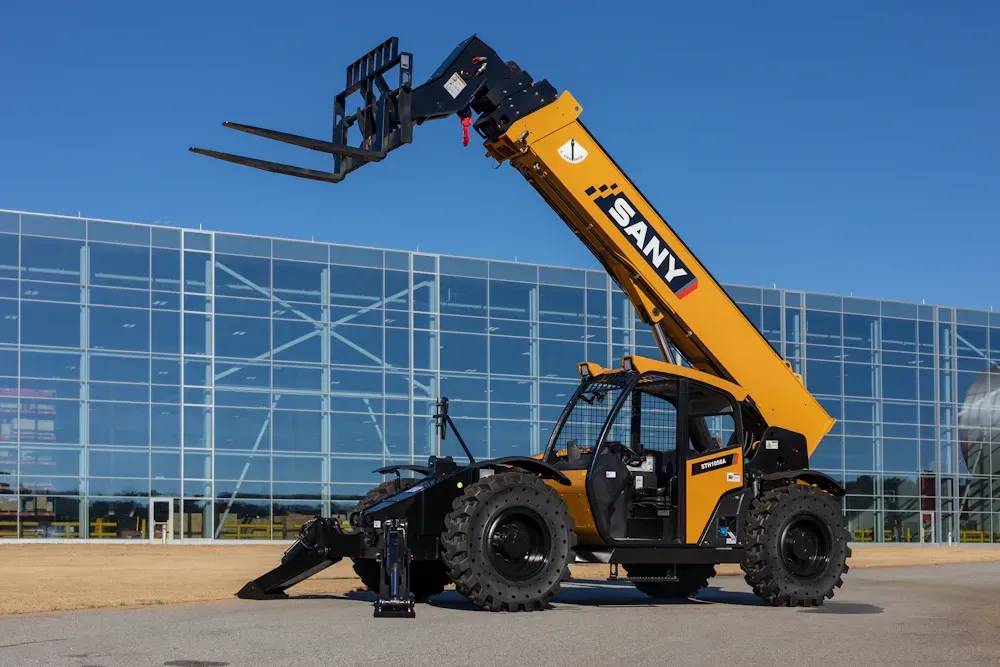
- Material handling : Lift charts, reach, and a machine that stays planted when you’re fully extended.
- Snow and winter support : Heat, lighting, quick starts, and simple service points pay off when it’s 5 a.m.
- Paving support : Smooth controls, predictable travel, and the right bucket or forks help keep trucks moving.
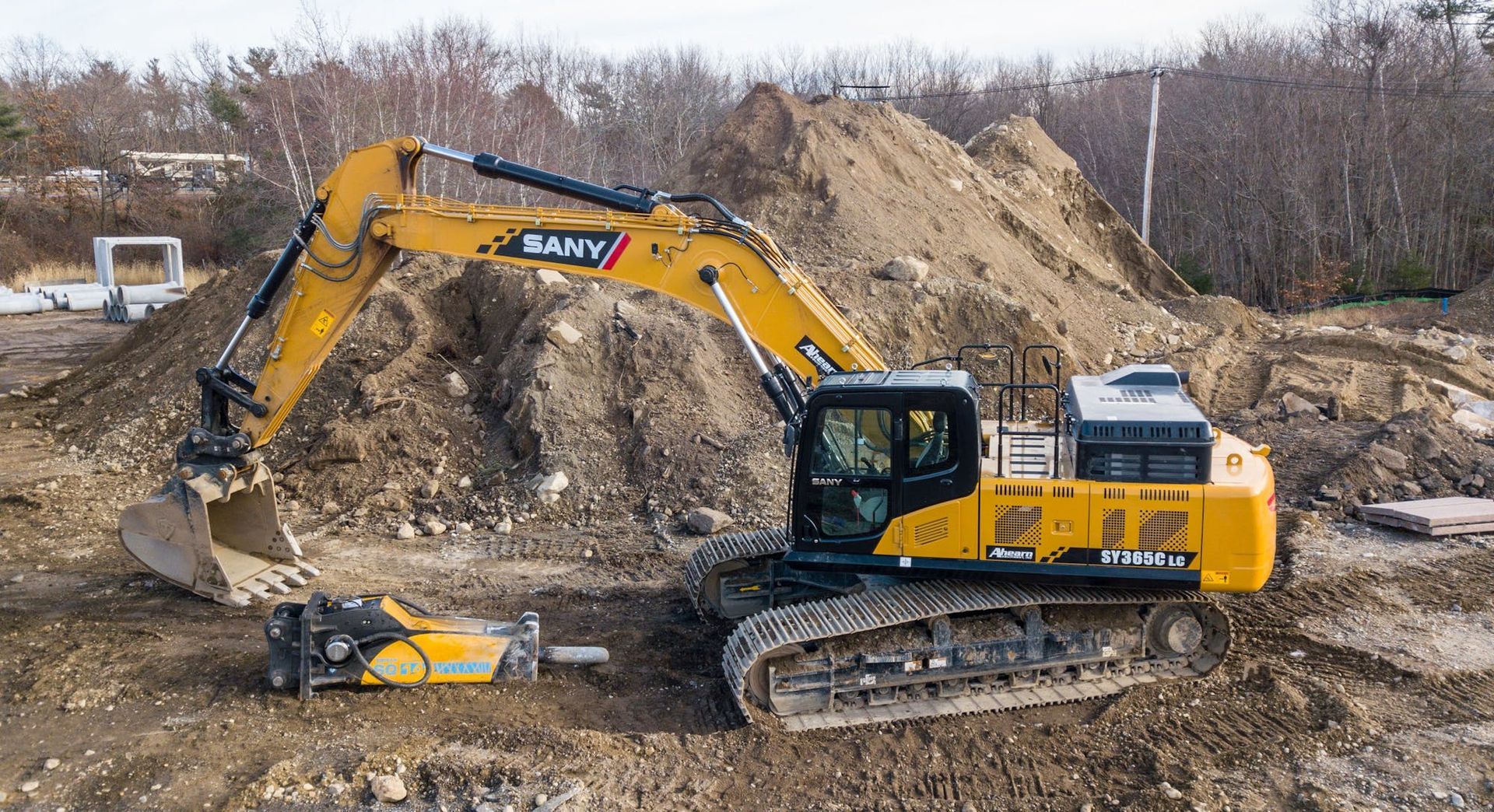
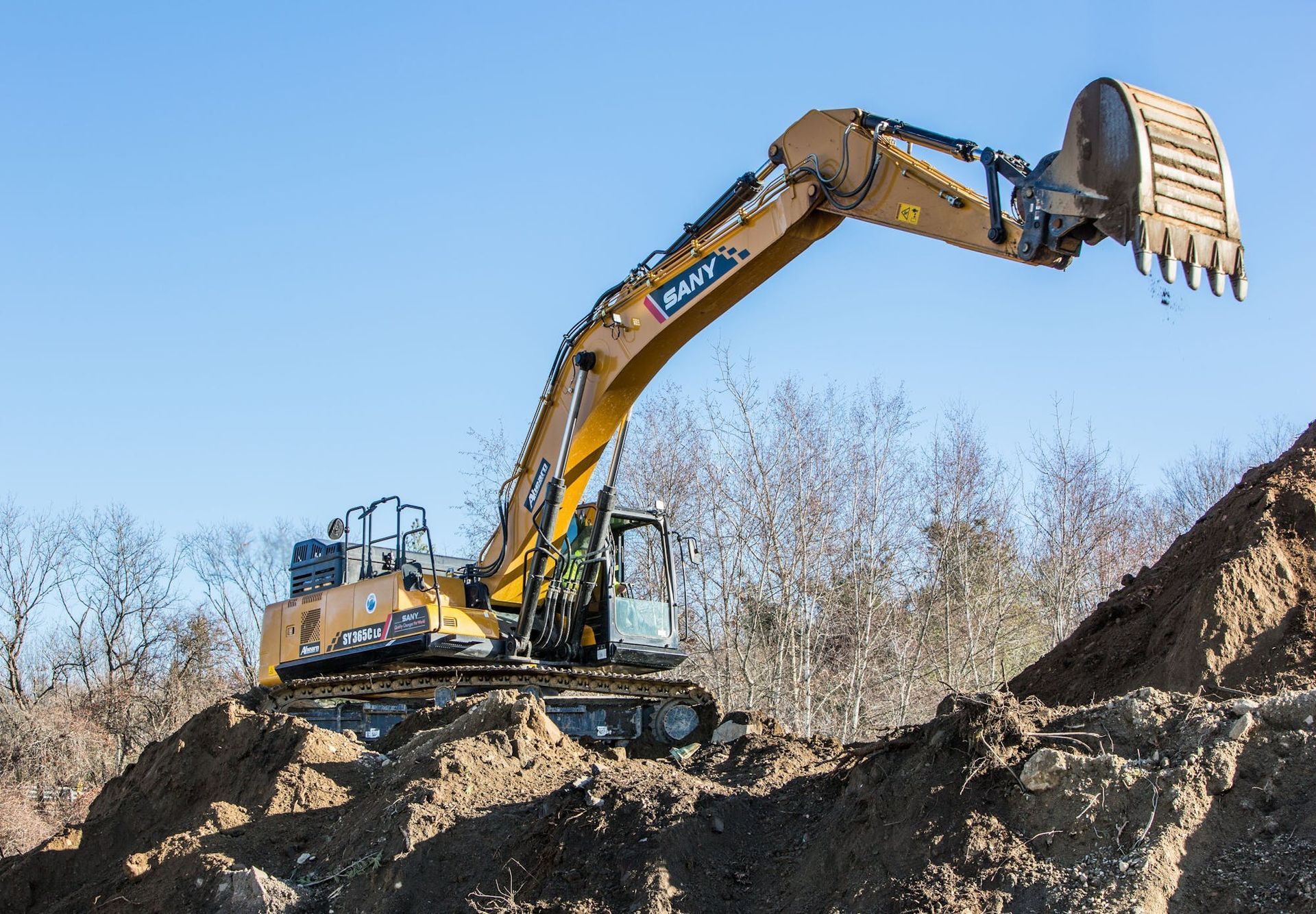
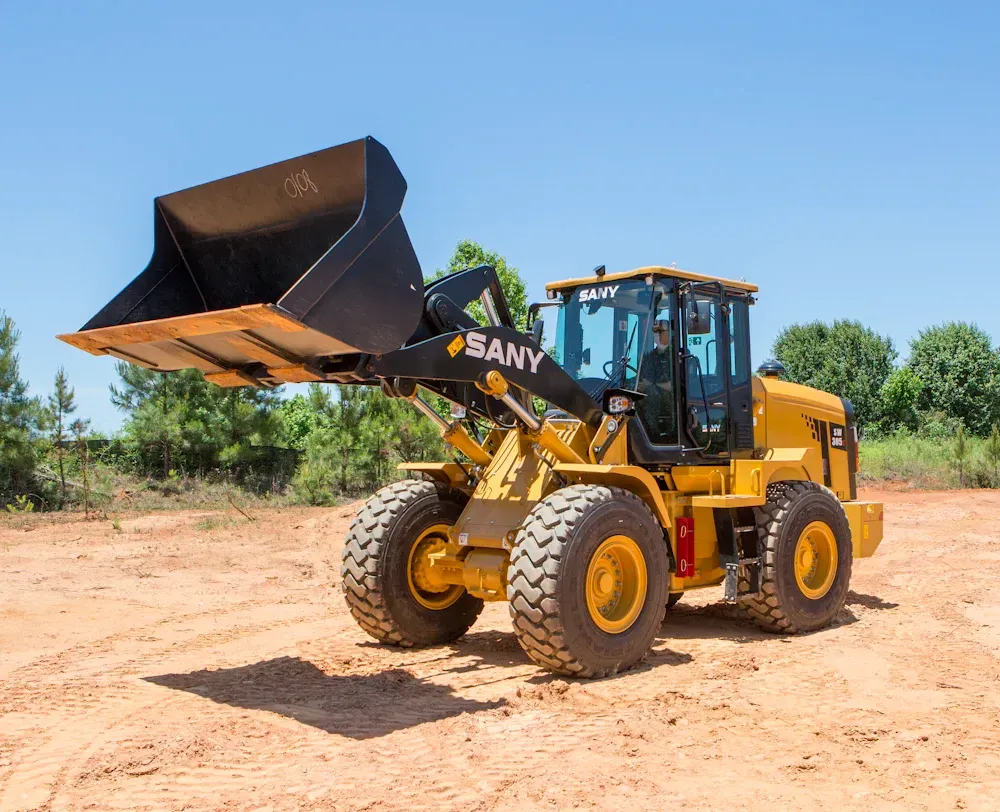
When you’re scanning heavy machinery for sale , ask one question first: what’s the bottleneck on your jobs? If trucks wait on you, you need faster cycle time and easier loading. If your crew is doing handwork because the machine can’t reach, you need more stick or a different layout. If you’re burning fuel just moving around a tight site, you might need a smaller footprint, not more horsepower.
Right size, right attachments, and the basics that drive productivity
A spec sheet doesn’t tell the whole story, but a few numbers do predict jobsite performance:
- Operating weight : Heavier usually means more stability and breakout, but also higher transport cost and more ground pressure.
- Reach and dig depth : If you’re always “just short,” production drops fast
- Lift capacity and load chart : Critical for handling pipe, vaults, and setting material
- Breakout force : Matters in hard digging, frost, and rocky trenching
- Travel speed and hydraulic response : Impacts cycle time when you’re moving pile to pile
- Counterweight needs : A machine that feels light in the rear is slow in the real world, because operators hold back.
Attachments can turn one machine into three, but only if you plan them upfront:
- Buckets sized for your trucks and material (not just “general purpose”)
- Thumbs for demo, land clearing, and placing rock
- Breakers matched to hydraulic flow (and your typical concrete thickness)
- Quick couplers (because pin-on swaps waste hours)
- Forks for handling pallets, pipe, and odd loads
Common mistakes show up every week: buying too big for tight access, then losing time reshuffling trucks and fencing, or buying too small for tough digging, then running high throttle all day and still coming up short.
Don’t ignore the cab. Comfort is production . Better visibility, easy-to-reach controls, a supportive seat, and strong heat and AC reduce fatigue and mistakes.
Quick fit checklist (use this before you shop):
- Can it access your most common sites without special permits or major tear-down?
- Can it load your most common truck size efficiently?
- Can it run your top two attachments without upgrades?
- Can your best operator run it for a full shift without fighting the machine?
New vs used in 2026, how to compare total cost per hour
The simplest way to compare options is to put everything into one “cost per hour” bucket:
Purchase price (or payment) + fuel and DEF + wear items + planned service + downtime risk
New machines often win on fuel economy, safety features, and fewer surprise repairs. Used machines can still be the smartest choice if they’re inspected well and the hours and maintenance history make sense.
When you’re evaluating used equipment, don’t settle for a quick walkaround. Ask for proof and test it cold.
What to check and ask for on used:
- Hours and how they were earned (idle-heavy work counts)
- Service records (oil, filters, hydraulic service, coolant)
- Tracks and undercarriage wear (or tire condition on wheeled machines)
- Hydraulic leaks , especially at cylinders and valve areas
- Pins and bushings, look for slop at the bucket and linkage
- Cold-start behavior, listen for hard starting or uneven idle
- Any diagnostic codes and whether they were repaired or just cleared
A clean inspection doesn’t guarantee perfection, but it does reduce the odds you’re buying someone else’s problem.
What matters most in 2026, warranty, service support, and tech that saves time
Contractors don’t lose money because the machine was $8,000 more. They lose money when it’s down on a Tuesday, parts are on backorder, and the job keeps moving without them.
In 2026, support after the sale is where fleets win or lose. That means warranty details you can actually use, local parts access, and service turnaround you can count on.
Warranty and dealer support, the details that protect your schedule
A good warranty is only good if it covers the problems that stop you. Read it like a superintendent reads a schedule.
Clarify these items before you sign:
- What’s included and excluded (and what counts as a wear item )
- Parts vs labor coverage, and whether there are caps
- Travel time and service call rules (especially for field service)
- Coverage if the machine works outside your home area
- Expected response time for breakdowns, not just routine service
- Loaner, rental options, or short-term replacements during major repairs
Strong warranty coverage matters even more for smaller fleets. If you can’t shuffle machines when one goes down, your schedule becomes your liability.
Jobsite tech and safety features worth paying for
The best tech is the kind your crew uses without thinking about it.
Safety features that earn their keep:
- Backup camera or 360-degree view for tight sites
- Better lighting for early starts and winter work
- Load charts, lift alarms, and clear indicators for handling pipe or setting structures
- Quick couplers with safety locks, because dropped attachments are a nightmare
Cost control tech that helps in plain terms:
- Telematics for location, hours, idle time, and service alerts
- Anti-theft tools that help with recovery and proof of use
- Maintenance reminders that keep you from missing a filter interval mid-project
None of this replaces a good operator, but it does reduce rework, close calls, and wasted idle time.
Questions to ask any dealer:
- How fast can you get common parts for this model?
- What’s your typical service turnaround during peak season?
- Who handles warranty claims , and what paperwork do you need?
- Can you support field service at my sites?
- What’s the real coverage on wear items and attachments?
How to buy with confidence, inspect, finance, and get a hands-on demo
A clean buying process keeps emotion out of it. Build a short list, inspect hard, run it, then talk numbers.
Start with two or three models that match your main work, not the rare “one-day-a-year” job. Then plan for a real test, because specs don’t show how a machine feels when you swing, travel, and work the hydraulics under load.
A quick inspection and test drive checklist before you sign
Do the basics every time, even on “fully inspected” machines.
- Walkaround: cracks, welds, missing guards, and signs of impact
- Fluids: engine oil, coolant level, hydraulic oil condition
- Hoses and fittings: rub marks, wet spots, and loose clamps
- Cylinder rods: pitting, scoring, and leaks at seals
- Tracks or tires: wear pattern, tension, sidewall damage
- Bucket linkage play: shake test, watch pins and bushings
- Swing and travel test: listen for grinding or hesitation
- Hydraulics under load: curl, boom, stick, and auxiliary flow
- Brakes and steering (for wheeled equipment)
- Cab functions: heat, AC, lights, wipers, gauges, seat belt, horn
Three red flags that should pause the deal:
- Overheating during a basic work cycle
- Milky oil (possible coolant contamination)
- Hard starting when cold
Next steps with SANY of Pennsauken, talk, demo, or Tow and Show
If you want a straight answer on what fits your work, talk with a Regional Sales Rep and share your job mix, trucking limits, and budget. You’ll get a tighter match and fewer add-ons you don’t need.
You can also book a hands-on demo at the dealership in Pennsauken, NJ, so your operator can feel the controls, visibility, and cycle times before you commit. If you can’t make it in, schedule a Tow and Show and have the machine brought to your site to see how it works in your real conditions.
When you’re ready to run numbers, call and explore easy in-house financing and ask about trade-ins if you’re replacing older iron. For more details, visit SANY heavy equipment sales in New Jersey and review options for flexible financing for heavy machinery.
Conclusion
In 2026, smart equipment buying is less about chasing the “best deal” and more about stacking small wins: the right fit for the work, a clear total cost per hour, strong warranty and service support, and a demo that proves the machine can produce with your crew.
If you’re planning your next purchase, take the next step while you’re still in decision mode. Call your SANY Dealer and explore easy in-house financing , talk with a Regional Sales Rep, book a dealership demo in Pennsauken, NJ, or schedule a Tow and Show at your jobsite. The goal is simple, buy once, keep it working, and protect your schedule.
Recent Posts