Construction Equipment for Sale vs Rent: How to Decide Without Guessing
If you run crews, you already know the pain. One slow machine can turn a tight schedule into a late one, and a late one eats profit. The hard part is deciding if you should buy Construction Equipment for Sale and build long-term capacity, or rent and protect cash for payroll, fuel, and materials.
Buying can feel like planting a flag, the machine is yours, ready every morning. Renting can feel like keeping your toolbox light, you pay for the iron only when you need it. The right answer depends on your hours, job mix, cash flow, and how much risk you can take on.
This guide gives you a simple way to decide, and it’s built for owners and fleet managers who need numbers that match the jobsite. Local dealers can support both paths through sales, rentals, service, and financing, so you’re not locked into one lane.
Start with the math that matters: hours, cost per hour, and cash flow
A machine’s price tag doesn’t tell you what it costs to run. Hours do. Think of it like a pickup truck, if it sits in the yard most days, the payment hurts more.
Start with two numbers:
- Expected hours per year
- Total cost per hour , whether you own or rent
Here’s a simple, round-number example for a mid-size machine:
| Item | Owning (per hour estimate) | Renting (per hour estimate) |
|---|---|---|
| Base cost (payment or rental rate) | $45/hr | $85/hr |
| Maintenance and wear | $12/hr | Often included |
| Insurance, tax, storage | $6/hr | $0 to $5/hr |
| Downtime and misc. | $5/hr | Lower risk |
If you’re using it enough, ownership can win fast. If your hours are lumpy, rentals can keep you out of trouble.
A quick rule: cash flow beats “good deals” . A cheap machine that strains payroll isn’t cheap.
Estimate how many hours you will really use the machine
Don’t guess based on your busiest month. Use the last 6 to 12 months of jobs and be honest about idle time.
A quick method that works:
1) Look back at jobs:
How many weeks did you truly need that machine type on site?
2) Check crew demand:
How often did two crews need the same machine at the same time?
3) Count “sit time”:
Weeks where it showed up but didn’t move dirt or place material.
4) Convert to hours:
If it’s on site 3 days a week, call it 20 to 24 hours, not 40.
Rule of thumb: if the machine will be on site most weeks , buying starts to make more sense. If use is irregular, renting stays safer.
Add the real ownership costs, not just the payment
Payments are the loudest number, but they aren’t the only number. Ownership cost is a bucket, and every leak matters.
Plan for these big items:
- Down payment and monthly note: Even a strong deal still ties up capital
- Insurance and property tax: Often ignored until renewal hits.
- Maintenance and wear parts: Filters, fluids, teeth, tracks, tires, cutting edges.
- Storage and security: Yard space, fencing, theft risk.
- Transport: Lowboy costs, permits, or your own trailer and truck time.
- Downtime risk: When it’s yours, you own the delays too.
Warranties and dealer service plans can cut surprise bills, especially when you’re trying to keep uptime steady. Resale value also matters. A well-kept machine with clean service records can return real money later, which lowers your true cost to own.
If you’re actively shopping Construction Equipment for Sale , it helps to compare models with an ownership mindset, not just “What’s the payment?” A good starting point is a dealer’s equipment lineup, then narrowing to the size class that matches your typical jobs.
Match the choice to your work: flexibility, risk, and crew productivity
After the math, the next factor is operational reality. Schedules change, soil conditions surprise you, and GCs move dates like it’s nothing. Your equipment plan should handle that without drama.
Buying tends to reward steady, repeatable work. Renting tends to reward variety and uncertainty. Productivity can swing either way, depending on whether your crew shows up to an available machine, or waits on delivery.
When buying makes sense for contractors and fleet managers
Buying is usually the better call when a machine is a “daily driver,” not a special guest.
It often fits when:
- Steady backlog keeps the machine working most weeks.
- Repeat tasks show up on job after job (trenching, loading trucks, setting pipe).
- You need instant availability at 6:30 a.m. without phone calls.
Standardizing on one brand and model can help more than people expect. Operators get comfortable faster, small issues get spotted early, and your parts habits get simpler.
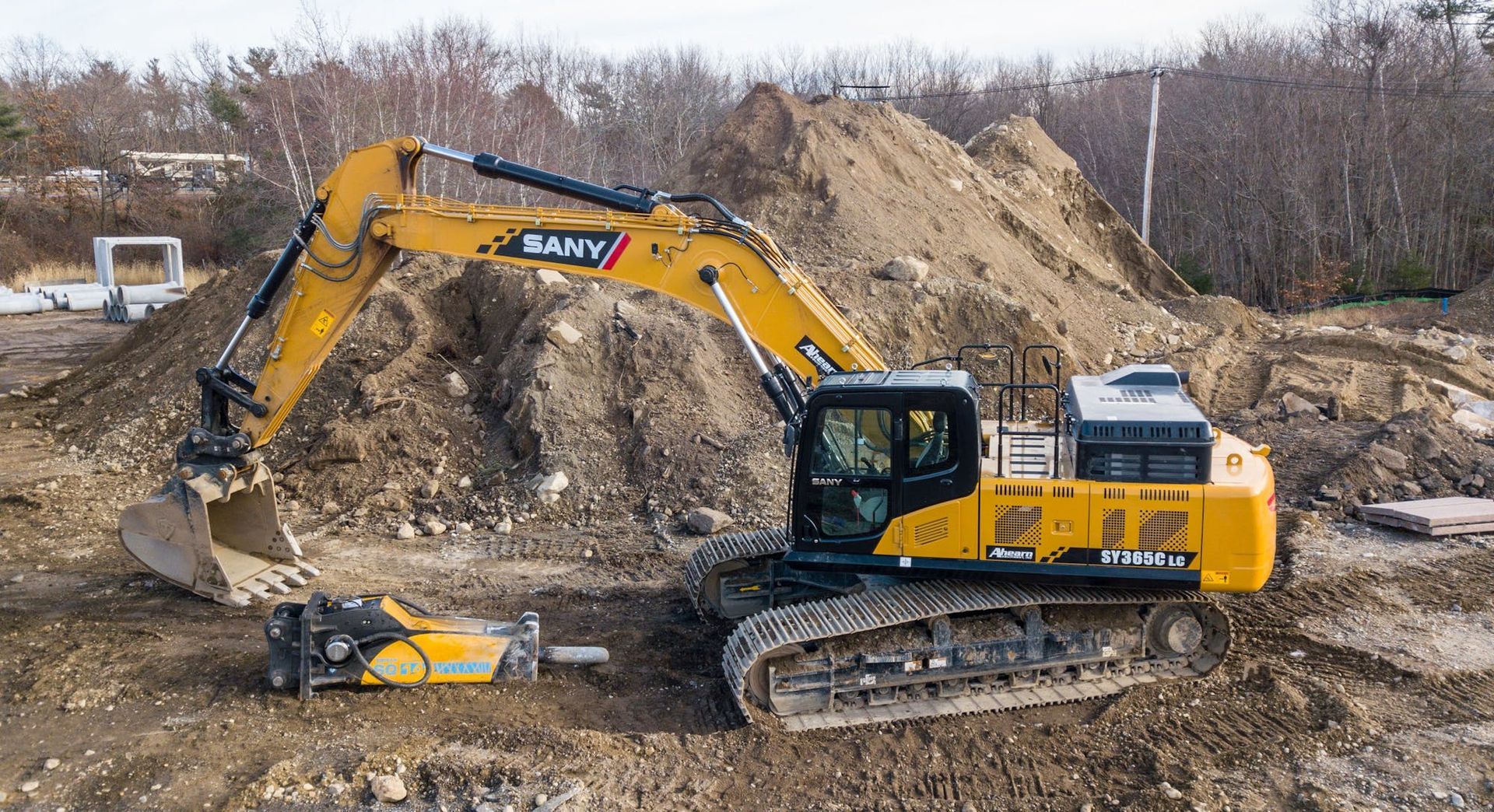
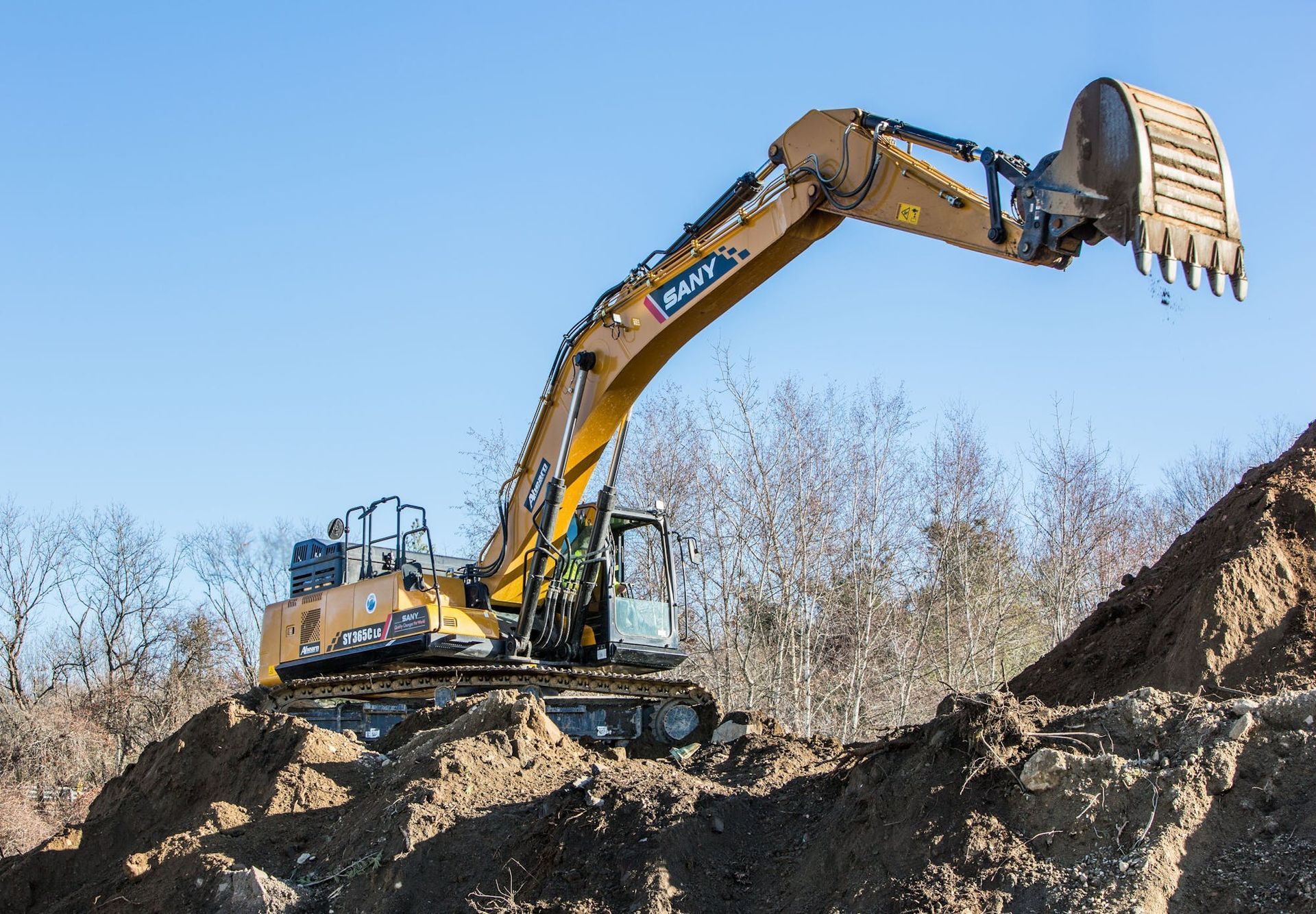
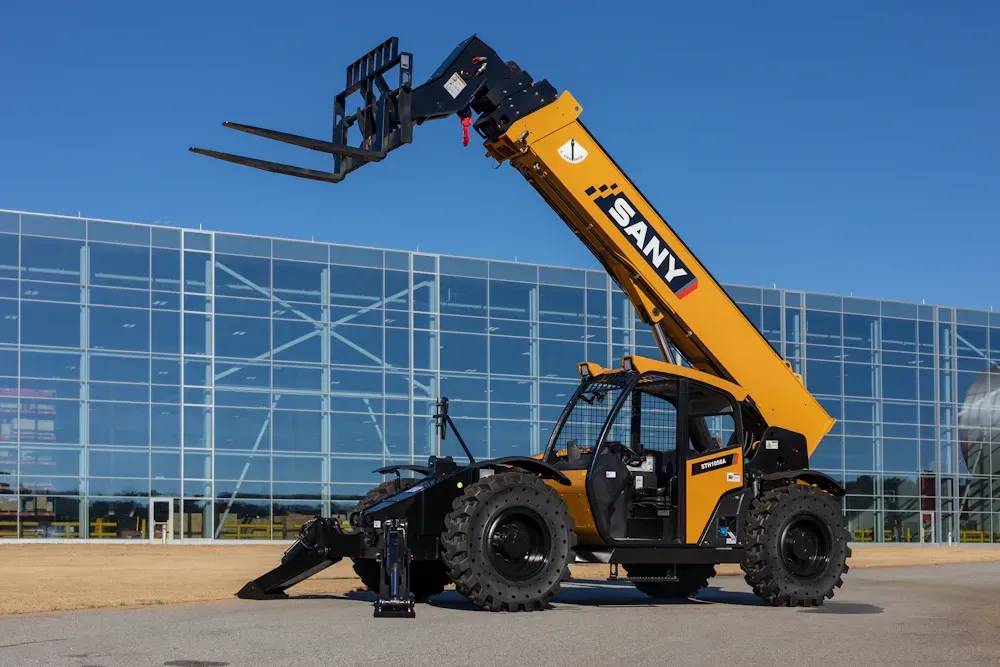
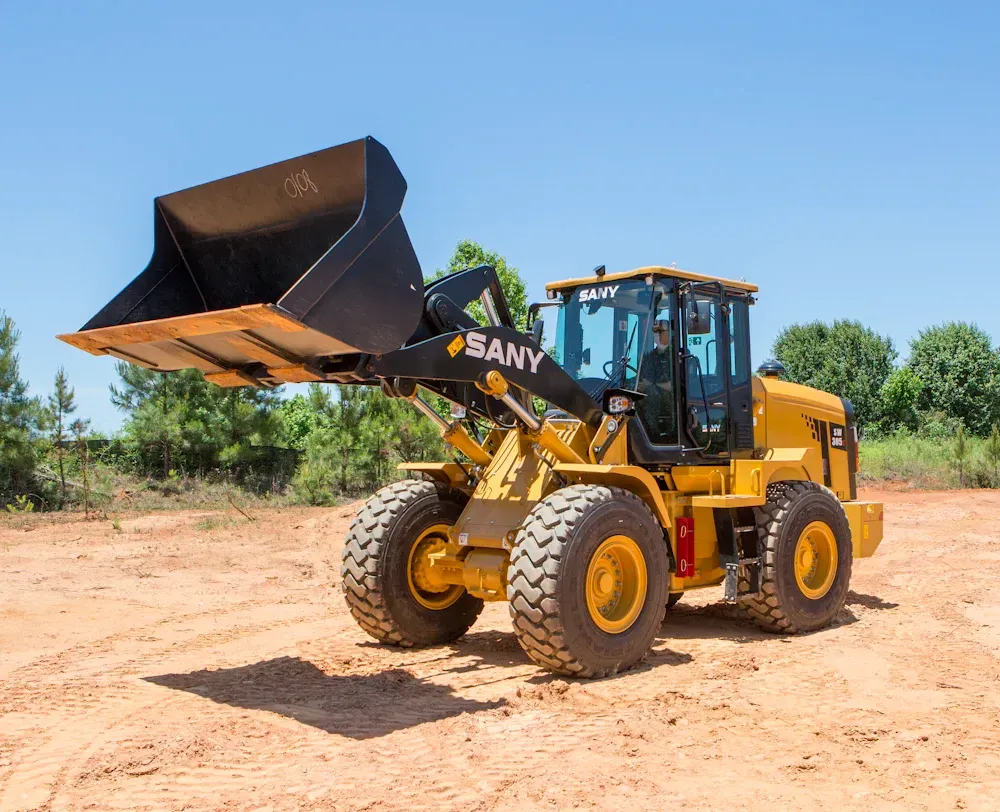
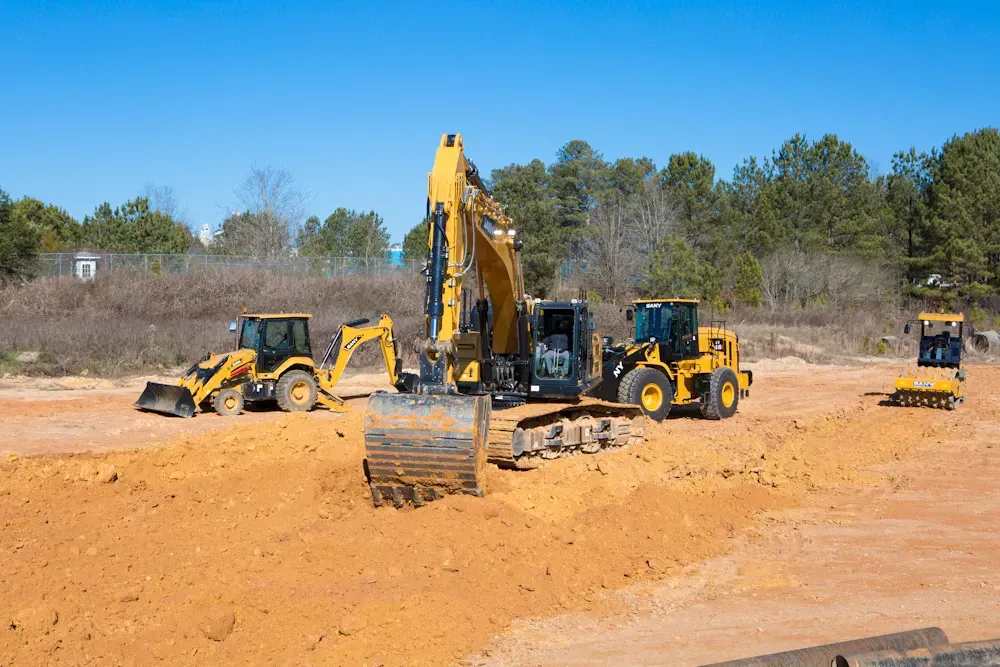
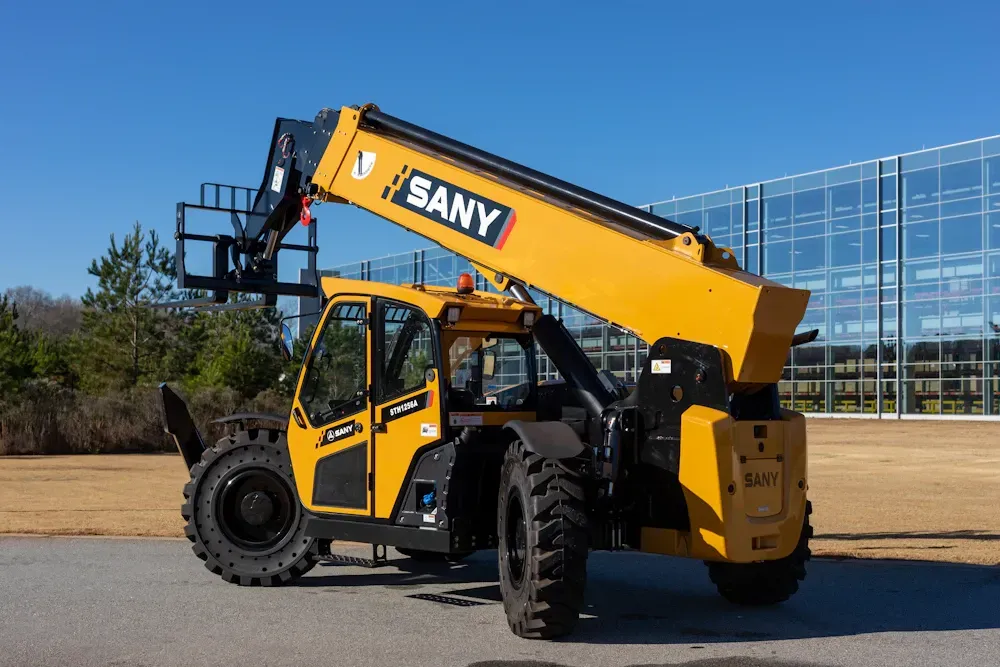
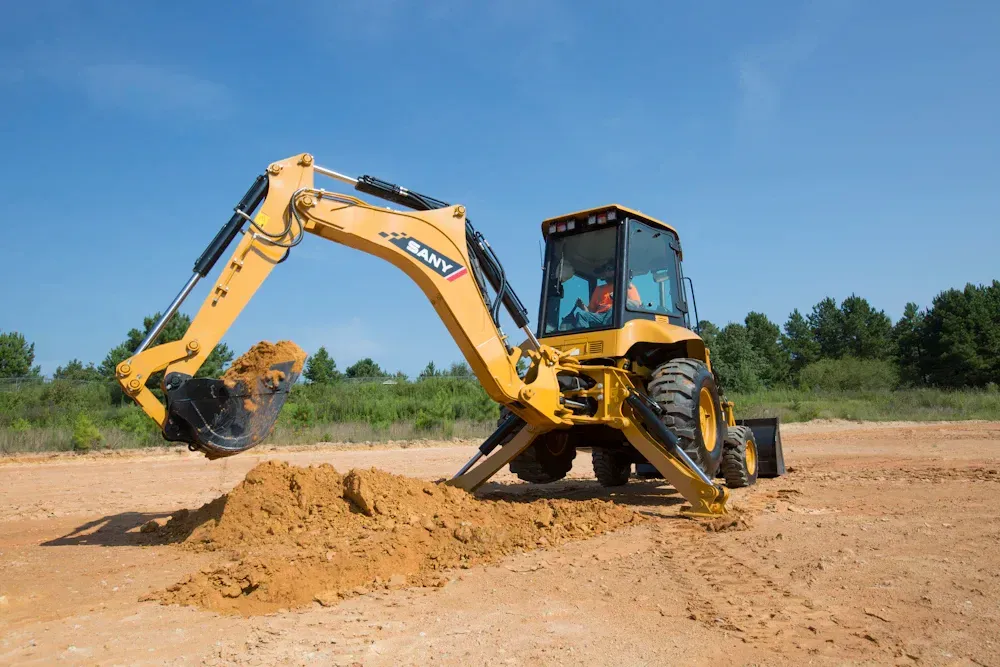
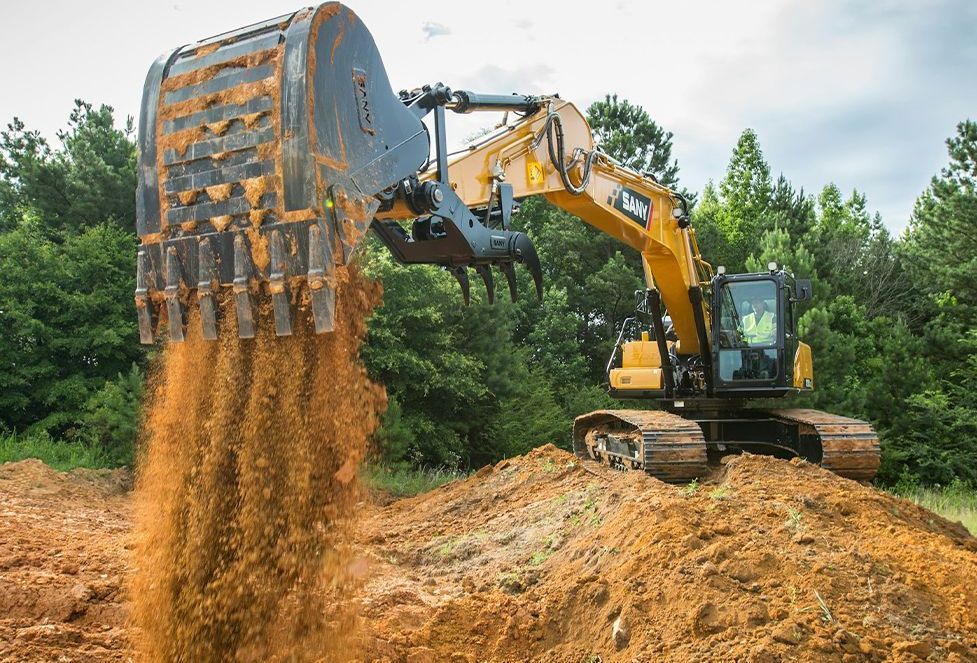
Common buy candidates, when they’re core to your work, include excavators (mini, compact, and full-size), wheel loaders, and telehandlers. If those machines directly produce revenue most days, owning can protect your schedule and your margin.
When renting wins: short jobs, specialty attachments, and avoiding downtime risk
Renting is a strong move when you need options more than permanence.
Renting usually wins when:
- Jobs are short and you don’t know what’s next month.
- You need a specialty setup , like a long-reach configuration, bigger bucket, forks, or compaction tools.
- Seasonal spikes force you to scale up fast, then scale back.
Rentals also save you when your machine is down. Instead of losing a crew day, you swap in a replacement and keep moving. Another underrated benefit is speed: if conditions change, you can often switch size classes quickly rather than forcing the wrong machine to do the work.
If you need coverage for peak weeks or one-off projects, it’s worth keeping a rental option ready, like SANY's Heavy Equipment Rentals.
A simple decision checklist, plus how to test before you buy
If you want a clean answer, run a fast checklist, then do a real-world test. It’s like trying on boots. Five minutes in the store isn’t the same as a day on the job.
Quick checklist to decide in 10 minutes
Give each item a quick “buy” or “rent” lean. Don’t overthink it.
- Hours per month: Over 80 hours leans buy, under 40 leans rent.
- How many crews need it: One machine, two crews, leans buy (or buy plus a rental plan).
- Schedule certainty: Stable backlog leans buy, shifting dates lean rent.
- Yard space and security: If storage is tight, rent looks better.
- Transport capacity: If moving it is a pain, rent (or factor hauling cost into buy).
- Cash reserves: Thin reserves lean rent, stronger reserves lean buy.
- Downtime tolerance: If downtime breaks you, rent or add strong service support.
- Core profit center: If it drives revenue weekly, lean buy.
If most checks lean buy, start pricing ownership. If most lean rent, keep your fleet lighter and your cash safer.
Try the model first, then choose the best path
A low-risk approach is simple: rent the exact model you’re considering for one real project , then track what matters.
During that job, record:
- Fuel use and idle time
- Cycle times (load, swing, dump, repeat)
- Operator feedback (visibility, comfort, controls)
- Any downtime or service calls
Compare those results to your cost-per-hour target. If it fits, move from rental to ownership with easy in-house financing . You can also talk through terms and options here: Construction machinery financing and rentals.
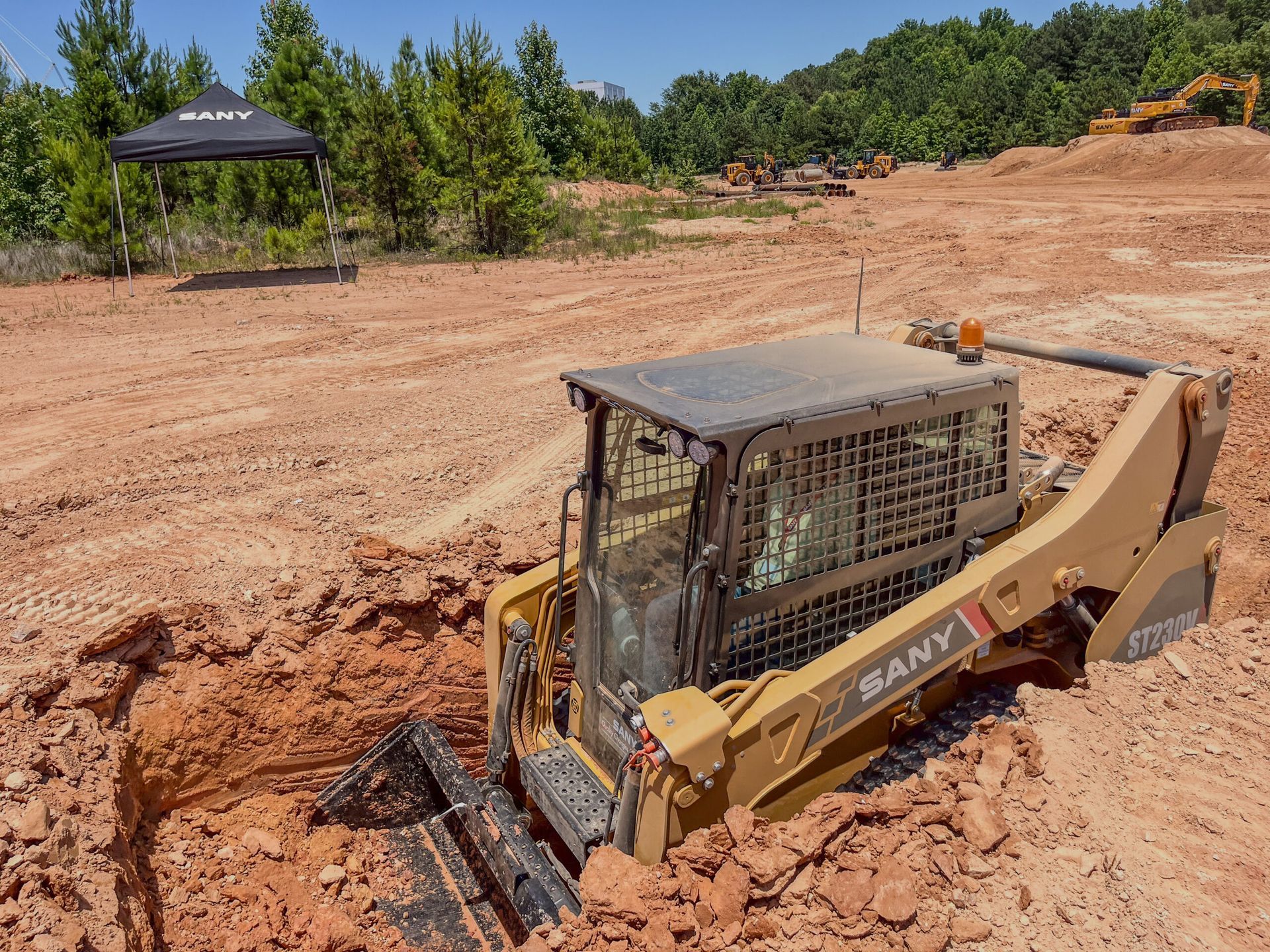
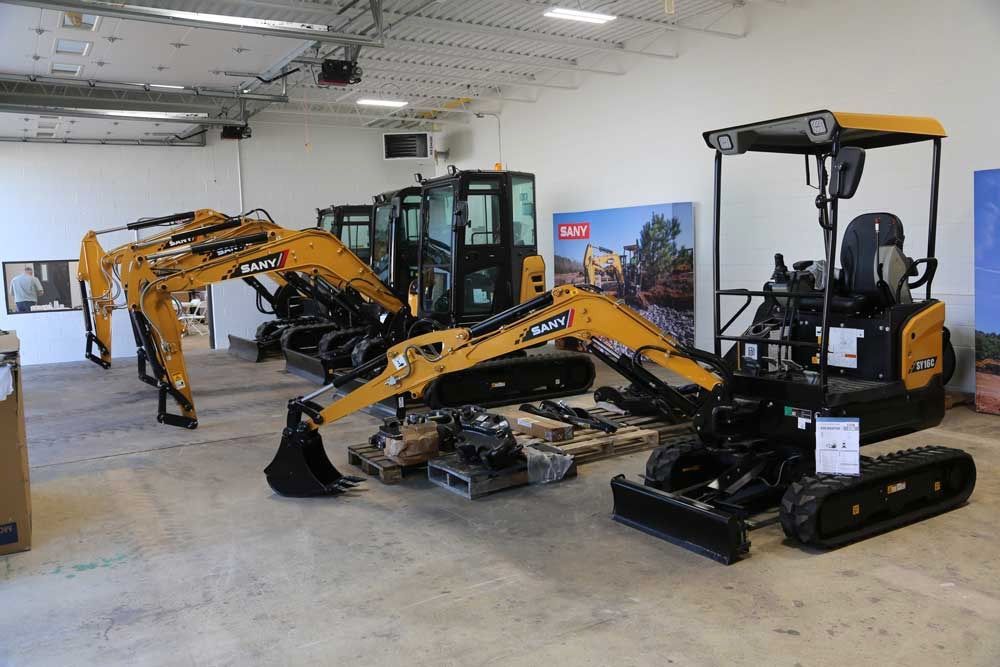
When you’re ready, keep it simple: come in for a heavy machinery demo, call for sales or rental, or schedule a tow and show if you can't make it to SANY of Pennsauken's showroom... we'll come to you.
Conclusion
Buy when the machine is used often, stays booked, and directly drives profit. Rent when your needs change, hours are uncertain, or the job calls for a specialty setup. The best answers come from two things: a realistic hour estimate and a true ownership cost list that includes maintenance, transport, and downtime.
If you’re on the fence, take the safest path, rent for a project to confirm fit, then decide to buy with easy in-house financing . Next step is straightforward: come in for a heavy machinery demo and put the right machine to work.
Recent Posts